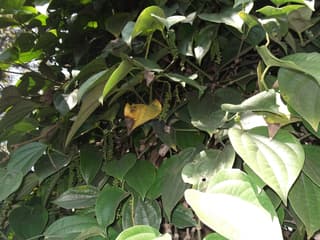
Black pepper with Rhizoctonia solani? Rare but Treatable
Piper nigrum
Rhizoctonia solani on Black pepper: What to Know?
Rhizoctonia solani on Black pepper (Piper nigrum) is a fungal condition with moderate severity. Black pepper has low susceptibility to this disease. Rhizoctonia solani is a soil-borne fungus that attacks stems, roots, and young seedlings. It thrives in warm, humid weather and in soil that stays wet or drains poorly. Typical signs include seedlings...
Black pepper is a medium-care plant. As an indoor plant, ensure good ventilation to aid recovery.
Unlike most plants, Black pepper has natural resistance to Rhizoctonia solani. Best treated with preventive measures rather than reactive treatment. Unlike bacterial infections, Rhizoctonia solani on Black pepper can be managed with organic fungicides.
🛡️ How to Prevent Rhizoctonia solani on Black pepper?
TLDR: Prevent Rhizoctonia solani on Black pepper with 7 essential preventive care practices.
- ✓ Start with clean pots, trays, and fresh potting mix.
- ✓ Quarantine new plants for 1–2 weeks and check roots before potting up.
- ✓ Water deeply but less often, and let the top of the soil dry slightly between waterings.
- ✓ Ensure good drainage, use raised beds if needed, and avoid overcrowding.
- ✓ Keep lawns aerated and manage thatch, and avoid heavy nitrogen during warm, humid weather.
- ✓ Rotate crops in vegetable beds for 2–3 years and avoid planting into cold, waterlogged soil.
- ✓ Clean tools with 70% alcohol or a 10% bleach solution and promptly remove dead leaves and spent plants.
🌱 How to Care for Black pepper to Prevent Rhizoctonia solani?
💧 How to Water
Keep the soil evenly moist, watering when the surface starts to dry, roughly every few days in warm weather. Never leave it waterlogged: in wet, airless soil Phytophthora root and foot rot can kill a vine within days. Water less in cool weather.
☀️ Lighting
Light shade or bright filtered light. Young vines need protection from strong direct sun; mature vines tolerate partial to full sun but fruit less in deep shade. Indoors, place near a bright window out of harsh midday sun.
🪴 Ideal Soil
Deep, loose soil rich in organic matter, with good drainage and aeration and a slightly acidic pH of about 5.5-6.5. Mulch around the base to keep the roots moist and fed. Avoid heavy clay that stays wet.