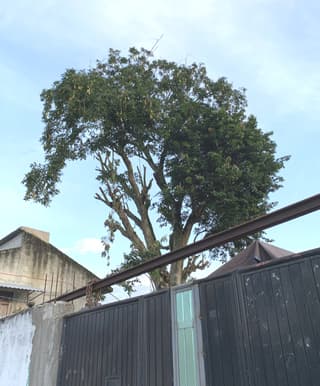
Ice Cream Bean with Rhizoctonia solani? Rare but Treatable
Inga edulis
Rhizoctonia solani on Ice Cream Bean: What to Know?
Rhizoctonia solani on Ice Cream Bean (Inga edulis) is a fungal condition with moderate severity. Ice Cream Bean has low susceptibility to this disease. Rhizoctonia solani is a soil-borne fungus that attacks stems, roots, and young seedlings. It thrives in warm, humid weather and in soil that stays wet or drains poorly. Typical signs include seedlings...
Ice Cream Bean is a medium-care plant.
Unlike most plants, Ice Cream Bean has natural resistance to Rhizoctonia solani. Best treated with preventive measures rather than reactive treatment. Unlike bacterial infections, Rhizoctonia solani on Ice Cream Bean can be managed with organic fungicides.
🛡️ How to Prevent Rhizoctonia solani on Ice Cream Bean?
TLDR: Prevent Rhizoctonia solani on Ice Cream Bean with 7 essential preventive care practices.
- ✓ Start with clean pots, trays, and fresh potting mix.
- ✓ Quarantine new plants for 1–2 weeks and check roots before potting up.
- ✓ Water deeply but less often, and let the top of the soil dry slightly between waterings.
- ✓ Ensure good drainage, use raised beds if needed, and avoid overcrowding.
- ✓ Keep lawns aerated and manage thatch, and avoid heavy nitrogen during warm, humid weather.
- ✓ Rotate crops in vegetable beds for 2–3 years and avoid planting into cold, waterlogged soil.
- ✓ Clean tools with 70% alcohol or a 10% bleach solution and promptly remove dead leaves and spent plants.
🌱 How to Care for Ice Cream Bean to Prevent Rhizoctonia solani?
💧 How to Water
Water the seedling frequently in the first year, without letting the soil dry out completely. Adult trees usually thrive with only rain in areas where it rains more than 1,200 mm per year. During long dry spells, one watering per week helps.
☀️ Lighting
Prefers full sun, 8 to 10 hours a day. Seeds germinate well in partial shade, but the plant needs light to grow and flower.
🪴 Ideal Soil
Accepts poor and acidic soil. The best pH is between 5.0 and 6.5, and it also grows in pH from 4.5 to 8.0. In nature, it appears on riverbanks and in clay soil, and can withstand standing water for 2 to 3 months.