Orache with Ringspot Virus: Prevention & Cure
Atriplex
Ringspot Virus on Orache: What to Know?
Ringspot Virus on Orache (Atriplex) is a viral condition with high severity. Ringspot virus is a viral disease affecting various plant species, causing distinctive circular or ring-shaped chlorotic patterns on leaves and fruits. Transmitted primarily by aphids, nematodes, or t...
Orache is a easy-care plant.
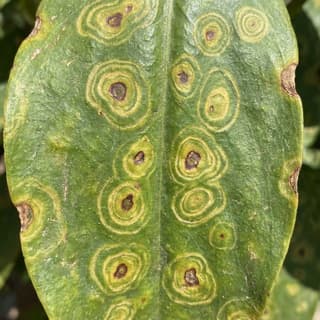
🔍 What Does Ringspot Virus Look Like on Orache?
- • Circular yellow or chlorotic rings on leaves (1/8" to 1/4" diameter)
- • Ring patterns that start pale yellow and may turn necrotic brown
- • Leaf distortion, puckering, rolling, or crinkling
- • Mosaic patterns with alternating light and dark green patches
- • Stunted plant growth and reduced vigor
- • Fruit with ring-shaped markings, distortion, and reduced size
- • Vein clearing and chlorosis along leaf veins
- • Premature leaf drop in severe infections
- • Reduced flower production and quality
- • Overall plant decline and weakening
❓ What Causes Ringspot Virus on Orache?
- → Viral infection transmitted by aphid vectors (non-persistent manner)
- → Transmission through nematodes in soil (some ringspot variants)
- → Contaminated pruning tools and equipment spreading infected sap
- → Infected plant material or rootstock used in propagation
- → Introduction of infected plants from nurseries or other sources
- → Aphids feeding briefly on infected plants then moving to healthy ones
- → Mechanical transmission through plant wounds and contact
💊 How to Treat Ringspot Virus on Orache?
TLDR: Treat Ringspot Virus on Orache with quick treatment (~14 days) or organic (~90 days). Orache has moderate susceptibility to this disease.
Quick Fixes
Emergency isolation NOW
Immediately move infected plant to isolated area at least 10 feet from other plants. Time is critical.
Rapid assessment - keep or remove
If more than 25% of plant shows symptoms, removal is strongly recommended. Virus cannot be cured, only managed.
Complete plant removal (recommended)
Carefully place entire plant in large plastic bag. Do NOT shake or disturb unnecessarily. Seal bag and dispose in trash, not compost.
OR Strip all symptomatic growth (if keeping)
Remove every leaf or stem showing any symptoms. Bag immediately. This may only delay inevitable decline.
Immediate aphid elimination
Spray with ready-to-use insecticidal soap or pyrethrin spray. Soak all leaf surfaces, especially undersides. Repeat tomorrow.
Surface decontamination
Spray work area with diluted bleach. Disinfect all tools used. Wash hands and clothes immediately.
Emergency barrier protection
Set up yellow sticky traps around ALL nearby plants immediately. Create 3-foot barrier zone around removal site.
Inspect entire collection
Examine every plant within 15 feet. Look for earliest symptoms: subtle ring patterns, slight leaf distortion, yellowing.
Preventive vector treatment
Spray all nearby plants with neem oil or insecticidal soap as preventive measure. Focus on high-risk specimens.
Daily monitoring protocol
Check all plants daily for 14 days. Mark any suspicious symptoms immediately and isolate those plants.
Organic Treatment
Immediate plant isolation
Carefully move infected plant away from all other plants to a separate quarantine area. Handle gently to avoid spreading sap.
Document and assess
Photograph symptoms for identification. Assess severity: if more than 30% of plant is affected, removal is recommended.
Decision point
For mild infections on valuable plants, proceed with management. For severe infections or easily replaced plants, skip to removal step.
Remove symptomatic foliage
Carefully prune and remove all leaves showing ring spots or symptoms. Place directly in sealed plastic bag.
Apply neem oil treatment
Spray entire plant thoroughly with neem oil solution (1 tbsp per liter). Focus on leaf undersides where aphids hide. Repeat every 5-7 days.
Set up yellow sticky traps
Place 3-4 yellow sticky traps around the plant to monitor and trap aphids. Check and replace weekly.
Insecticidal soap application
Spray plant with insecticidal soap every 3 days for 2 weeks to eliminate any aphid vectors. Ensure good coverage.
Strengthen plant immunity
Apply diluted compost tea (1:5 ratio) as foliar spray weekly to boost plant defenses and overall health.
Inspect surrounding plants
Daily inspection of all nearby plants for early symptoms. Mark and isolate any showing signs immediately.
Install physical barriers
If keeping plant, cover with fine mesh netting to prevent aphid access while allowing air circulation.
Companion planting
Plant aphid-repelling companions nearby: marigolds, nasturtiums, catnip, or garlic.
Tool sterilization protocol
After any contact with infected plant, disinfect all tools in 10% bleach solution for 10 minutes, then rinse well.
Extended monitoring period
Continue weekly inspections and preventive neem treatments for 90 days. Virus may remain dormant before showing symptoms.
Consider removal
If new symptoms appear or plant declines significantly, remove and destroy to protect garden. Do not compost infected material.
🛡️ How to Prevent Ringspot Virus on Orache?
TLDR: Prevent Ringspot Virus on Orache with 12 essential preventive care practices.
- ✓ Always purchase certified virus-free plants from reputable nurseries
- ✓ Inspect all new plants thoroughly before introducing to garden
- ✓ Implement strict aphid control measures with regular monitoring
- ✓ Use yellow sticky traps to monitor and reduce aphid populations
- ✓ Practice tool sanitation: disinfect pruning tools with 10% bleach solution
- ✓ Remove and destroy infected plants immediately to prevent spread
- ✓ Avoid working with plants when foliage is wet
- ✓ Maintain plant health through proper nutrition and watering
- ✓ Create physical barriers using row covers to exclude aphid vectors
- ✓ Quarantine new plants for 2-3 weeks before introducing to main garden
- ✓ Control nematode populations in soil through crop rotation and soil management
- ✓ Promote beneficial insects that prey on aphids (ladybugs, lacewings)
🌱 How to Care for Orache to Prevent Ringspot Virus?
💧 How to Water
Water deeply but infrequently. Allow the top few inches of soil to dry out completely before watering again.
☀️ Lighting
Requires full, direct sunlight to maintain foliage color and prevent the plant from becoming leggy.
🪴 Ideal Soil
Thrives in sandy, alkaline, or saline soils. Avoid heavy clay that retains too much moisture.
Frequently asked questions
Can Ringspot Virus kill my Orache?
Is Ringspot Virus contagious to other plants near Orache?
Sources & References
- Papaya Ringspot Virus: 2026 Solutions For Disease
- Ring Spot Virus | Pests & Diseases - Plantix
- Papaya ringspot virus - Wikipedia
- Hydrangea Ringspot Symptoms – How To Treat Hydrangea Ringspot Disease
- Tobacco Ringspot Virus of Soybean | NC State Extension
- Atriplex Plant Growing & Care Guide for Gardeners
- Atriplex halimus Sea Orach, Saltbush PFAF Plant Database
- Atriplex hortensis Orach, Garden orache PFAF Plant Database
- Atriplex - Wikipedia
- Atriplex Cinerea - Coast Saltbush - Botanikks