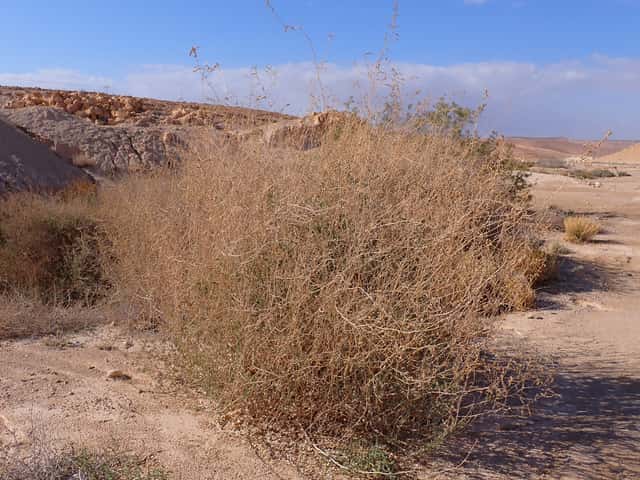
Amaranthaceae
Orache: Ground Cover Plant
Atriplex
Extremely hardy and drought-tolerant, Atriplex thrives in full sun and well-draining, even poor or salty soil. It requires minimal maintenance once established.
Every 14 days
Direct sun
-15° - 40°C
10% - 40%
Categories
What is Orache?
Orache (Atriplex) is a easy-care plant from the Amaranthaceae family. Atriplex, commonly known as Orache or Saltbush, is a resilient genus of plants found in arid and coastal regions. Many species, such as Atriplex hortensis, are cultivated as leaf vegetables similar to spinach. They are characterized by their mealy or scurfy leaves, which often have a silvery or purp...
Orache grows up to 2.0m, spread of 150cm, watering every 14 days, -15°C – 40°C, 10–40% humidity. It is not suitable for indoor environments and safe for pets.
Unlike many tropical plants, Orache tolerates watering mistakes. Best for beginners. Unlike many popular species, Orache is safe to keep around pets.
How to Care for Orache?
TLDR: Orache needs Direct sun, watering every 14 days, and temperatures between -15-40°C with 10-40% humidity.
How Often Should You Water Orache?
Water deeply but infrequently. Allow the top few inches of soil to dry out completely before watering again.
How Much Light Does Orache Need?
Requires full, direct sunlight to maintain foliage color and prevent the plant from becoming leggy.
What Is the Best Soil for Orache?
Thrives in sandy, alkaline, or saline soils. Avoid heavy clay that retains too much moisture.
What Pot Should You Use for Orache?
Best grown in open ground due to deep taproots, but can be grown in large, deep containers with excellent drainage.
Care Schedule
Fertilize
Every 90 days
What Is Orache and Where Does It Come From?
Atriplex, commonly known as Orache or Saltbush, is a resilient genus of plants found in arid and coastal regions. Many species, such as Atriplex hortensis, are cultivated as leaf vegetables similar to spinach. They are characterized by their mealy or scurfy leaves, which often have a silvery or purple hue, and their remarkable ability to thrive in saline soils where few other plants can survive.
How to Propagate Orache?
Sowing Seeds
- Soak seeds for 24 hours before planting to improve germination
- Successive sowings every 2-3 weeks will provide a continuous harvest of young leaves
- 1 Prepare Soil
Select a sunny spot with well-draining soil. Rake the surface to a fine tilth.
- 2 Sow Seeds
Sow seeds 1cm deep directly into the ground, spacing them about 30cm apart.
- 3 Watering
Water lightly to keep the soil moist until germination occurs.
Materials needed:
Softwood Cuttings
- Keep the humidity high around the cutting using a plastic cover
- Avoid overwatering to prevent rot
- 1 Take Cuttings
Cut a 10-15cm tip of a non-flowering stem.
- 2 Prepare Cutting
Remove the lower leaves and dip the base in rooting hormone.
- 3 Plant
Insert into a sandy potting mix and keep in a warm, bright location.
Materials needed:
How Big Does Orache Grow?
TLDR: Orache can reach up to 2.0m tall with Fast growth rate.
Max height
2.0m
Spread
1.5m
Growth rate
Fast
Foliage
Semi-evergreen
Plant Uses
Edible
Can be consumed
Ornamental
Great for decoration
Ground Cover
Soil coverage
Medicinal
Medicinal properties
Medicinal Uses
- Historically used as a diuretic
- Used in folk medicine to treat jaundice
Culinary Uses
- Young leaves used raw in salads
- Cooked as a spinach substitute
- Seeds ground into meal for soups
Is your plant showing symptoms?
Click on the symptom to discover possible causes:
What Diseases Commonly Affect Orache?
TLDR: Orache is susceptible to 9 known diseases. Monitor regularly for early detection.
Root Rot
Root rot is a serious fungal disease that affects the root system of plants, causing them to decay and die. It is primarily caused by overwatering, poor drainage, or soil-borne fungi such as Pythium, Phytophthora, Rhizoctonia, and Fusarium. The disease thrives in waterlogged conditions where roots are deprived of oxygen, making them susceptible to fungal infection.
Phytophthora Root Rot
Disease caused by fungus-like organisms (oomycetes) that live in soil and can survive for years. It affects roots, stem, and crown of plants, being especially severe in waterlogged or poorly drained soils. It is the second most common cause of root rot in trees and shrubs.
Powdery Mildew
Powdery mildew is a common fungal disease caused by various fungi species including Erysiphe, Podosphaera, Oïdium, and Leveillula. It affects over 10,000 plant species worldwide. The disease thrives in warm, dry climates with high humidity and appears as a distinctive white powdery coating on plant surfaces.
Leaf Spot
Leaf spot is a common fungal disease caused by various pathogens including Alternaria, Ascochyta, Colletotrichum, Septoria, and Venturia. It primarily affects leaves, causing discolored spots that can lead to premature leaf drop if left untreated.
Meaning & Symbolism
Represents resilience, adaptability, and the ability to thrive in harsh conditions.
Compare with similar plants
| Attribute | Difficulty | Light | Watering | Pet Safe |
|---|---|---|---|---|
| Field Maple | Easy | Bright indirect | 14d | ✓ |
| Silver Birch | Easy | Direct sun | 14d | ✓ |
| Common Blanketflower | Easy | Direct sun | 10d | ✓ |
| Cushion Bush | Easy | Direct sun | 14d | ✓ |





