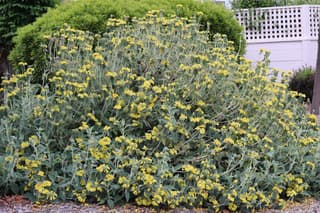
Jerusalem sage with sap-sucking pests? Rare but Treatable
Phlomis fruticosa
sap-sucking pests on Jerusalem sage: What to Know?
sap-sucking pests on Jerusalem sage (Phlomis fruticosa) is a other condition with moderate severity. Jerusalem sage has low susceptibility to this disease. Group of pests including aphids and scales, feeding on sugary sap on leaves, twigs, and branches. These pests often produce honeydew, which can later be infected by a fungal disease
Jerusalem sage is a easy-care plant.
Unlike most plants, Jerusalem sage has natural resistance to sap-sucking pests. Best treated with preventive measures rather than reactive treatment.
🛡️ How to Prevent sap-sucking pests on Jerusalem sage?
TLDR: Prevent sap-sucking pests on Jerusalem sage with 3 essential preventive care practices.
- ✓ Encourage the presence of natural enemies (e.g. lady beetles, lacewings, parasitic wasps).
- ✓ Apply dormant oil (controls pests and diseases during the off-season).
- ✓ Inspect new plants for signs of an infestation. Inspect the underside of leaves and stem joints.
🌱 How to Care for Jerusalem sage to Prevent sap-sucking pests?
💧 How to Water
Water regularly in the first year only. Once established, water every 10-14 days in a dry summer and hardly at all in winter. Wet soil harms it more than drought.
☀️ Lighting
Needs full sun, at least 6 hours a day. In shade the stems get long and floppy and it flowers poorly.
🪴 Ideal Soil
Any well-drained soil works: sandy, chalky, gravelly or poor. Avoid heavy clay that stays wet in winter.