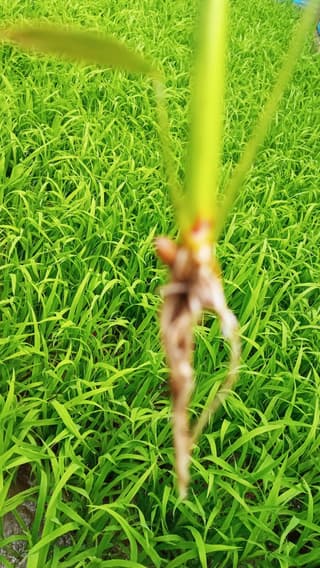
Rice Prone to sap-sucking pests: How to Protect
Oryza sativa
sap-sucking pests on Rice: What to Know?
sap-sucking pests on Rice (Oryza sativa) is a other condition with moderate severity. Rice has high susceptibility to this disease. Group of pests including aphids and scales, feeding on sugary sap on leaves, twigs, and branches. These pests often produce honeydew, which can later be infected by a fungal disease
Rice is a hard-care plant.
Rice is highly susceptible to sap-sucking pests, unlike most plants in the same family.
🛡️ How to Prevent sap-sucking pests on Rice?
TLDR: Prevent sap-sucking pests on Rice with 3 essential preventive care practices.
- ✓ Encourage the presence of natural enemies (e.g. lady beetles, lacewings, parasitic wasps).
- ✓ Apply dormant oil (controls pests and diseases during the off-season).
- ✓ Inspect new plants for signs of an infestation. Inspect the underside of leaves and stem joints.
🌱 How to Care for Rice to Prevent sap-sucking pests?
💧 How to Water
Keep the soil constantly waterlogged or with a thin layer of water—never let it dry out completely during vegetative growth and flowering. Use room-temperature water, as cold water can shock the roots.
☀️ Lighting
Requires full, direct sun for at least 6 to 8 hours daily. It does not tolerate shade and grows weak and unproductive in low-light conditions.
🪴 Ideal Soil
Prefers clay or silty-clay soils that retain water well, with a slightly acidic pH between 5.5 and 6.5. Soils rich in organic matter favor tillering and grain production.