Poaceae
Rice: Edible Plant
Oryza sativa
Rice requires full sun and permanently waterlogged or flooded soil throughout most of its growing cycle. In pots, use a wide container without drainage holes (or with an attached saucer), maintaining a water level of 2 to 5 cm above the substrate during the vegetative phase. It prefers constant heat, high humidity, and split fertilization throughout the cycle.
Every 1 days
Direct sun
18° - 35°C
60% - 90%
Categories
What is Rice?
Rice (Oryza sativa) is a hard-care plant from the Poaceae family. Rice (Oryza sativa) is an annual grass in the Poaceae family, native to Asia, where it has been cultivated for thousands of years as the dietary staple for more than half of the world's population. The plant forms clumps of slender stalks and long, narrow leaves, producing panicles with hundreds of...
Rice grows up to 1.5m, spread of 40cm, watering every 1 days, 18°C – 35°C, 60–90% humidity. It is not suitable for indoor environments and safe for pets.
Unlike easy-care plants, Rice demands constant attention to humidity and light. Not recommended for beginners. Unlike many popular species, Rice is safe to keep around pets.
How to Care for Rice?
TLDR: Rice needs Direct sun, watering every 1 days, and temperatures between 18-35°C with 60-90% humidity.
How Often Should You Water Rice?
Keep the soil constantly waterlogged or with a thin layer of water—never let it dry out completely during vegetative growth and flowering. Use room-temperature water, as cold water can shock the roots.
How Much Light Does Rice Need?
Requires full, direct sun for at least 6 to 8 hours daily. It does not tolerate shade and grows weak and unproductive in low-light conditions.
What Is the Best Soil for Rice?
Prefers clay or silty-clay soils that retain water well, with a slightly acidic pH between 5.5 and 6.5. Soils rich in organic matter favor tillering and grain production.
What Pot Should You Use for Rice?
Use a wide, shallow pot or bucket made of plastic or glazed ceramic, without drainage (or with a deep attached saucer) to retain a constant layer of water over the substrate—simulating the conditions of a small-scale flooded paddy.
Care Schedule
Fertilize
Every 25 days
What Is Rice and Where Does It Come From?
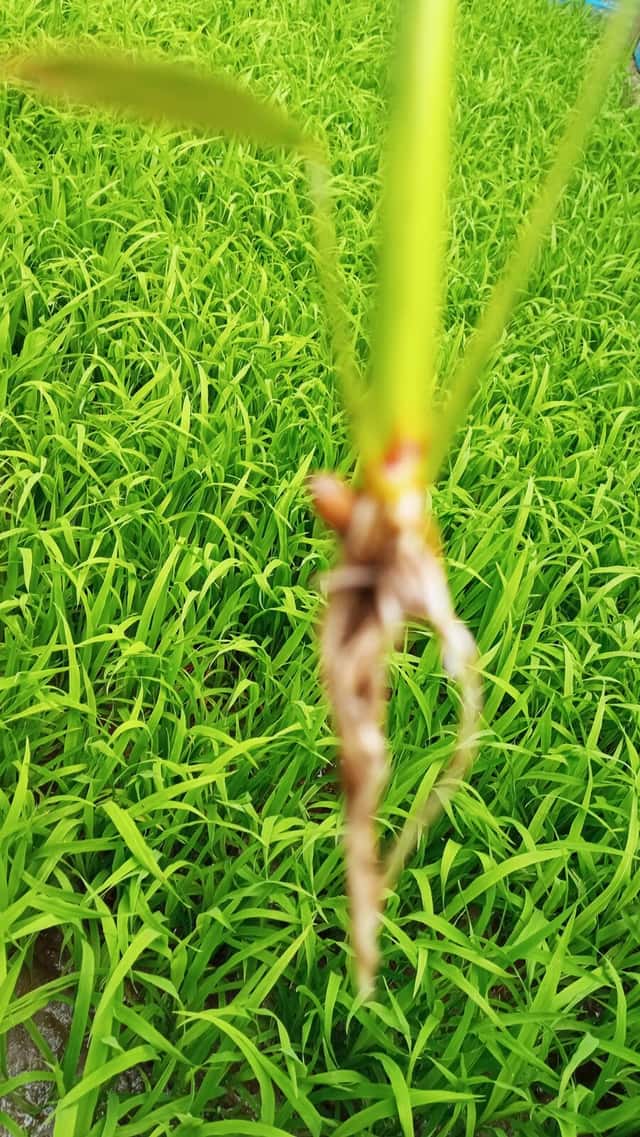
Rice (Oryza sativa) is an annual grass in the Poaceae family, native to Asia, where it has been cultivated for thousands of years as the dietary staple for more than half of the world's population. The plant forms clumps of slender stalks and long, narrow leaves, producing panicles with hundreds of small flowers that give rise to the grains. It is traditionally grown in flooded fields (paddies), where the water level controls weeds and maintains the constant moisture required by the species.
How Big Does Rice Grow?
TLDR: Rice can reach up to 1.5m tall with Fast growth rate.
Max height
1.5m
Spread
40cm
Growth rate
Fast
Foliage
Deciduous
Plant Uses
Edible
Can be consumed
Medicinal
Medicinal properties
Medicinal Uses
- Rice water traditionally used to relieve diarrhea and digestive discomfort
- Rice bran and starch applied in cosmetics to soothe and brighten the skin
- Whole grain valued as a source of fiber and slow-digesting carbohydrates
Culinary Uses
- Cooked grain as a basic side dish in cuisines worldwide
- Base for preparations such as risotto, paella, and sushi
- Ground into rice flour, used in gluten-free recipes
- Fermented in the production of rice vinegar and sake
Is your plant showing symptoms?
Click on the symptom to discover possible causes:
What Diseases Commonly Affect Rice?
TLDR: Rice is susceptible to 5 known diseases. Monitor regularly for early detection.
Bacterial Blight
Bacterial blight is a serious plant disease caused by pathogenic bacteria that enters plants through wounds or natural openings. It spreads rapidly in warm, wet conditions and can cause significant damage to leaves, stems, and flowers. The bacteria are transmitted by water splash, contaminated tools, and insects.
Caterpillars
Caterpillars are the larval stage of moths and butterflies that feed voraciously on plant foliage, stems, flowers, and fruits. Common species include cabbage loopers, tomato hornworms, armyworms, and cutworms. These pests can cause extensive damage by consuming large amounts of plant tissue in a short time. They vary in size from small (1/4 inch) to large (5 inches), with colors ranging from green to brown, often featuring stripes or spots. Caterpillars are highly mobile and can quickly spread throughout gardens, making them one of the most destructive common pests.
sap-sucking pests
Group of pests including aphids and scales, feeding on sugary sap on leaves, twigs, and branches. These pests often produce honeydew, which can later be infected by a fungal disease
Root Rot
Root rot is a serious fungal disease that affects the root system of plants, causing them to decay and die. It is primarily caused by overwatering, poor drainage, or soil-borne fungi such as Pythium, Phytophthora, Rhizoctonia, and Fusarium. The disease thrives in waterlogged conditions where roots are deprived of oxygen, making them susceptible to fungal infection.
Meaning & Symbolism
Rice symbolizes abundance, fertility, and prosperity in various cultures—it is a tradition to throw rice over newlyweds as a wish for abundance and good luck in marriage. As the dietary staple for more than half of the world's population, it also represents sustenance, collective labor, and the ancestral connection between humans and the cultivated land.
Compare with similar plants
| Attribute | Difficulty | Light | Watering | Pet Safe |
|---|---|---|---|---|
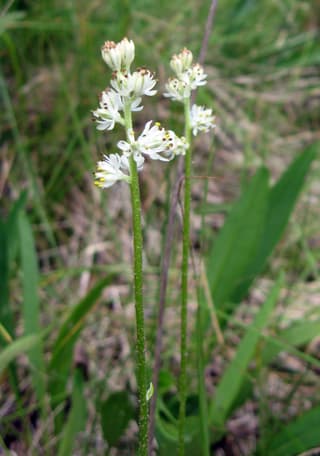
| Sticky false asphodel | Hard | Bright indirect | 1d | ✓ |
| Muriel's Bamboo | Medium | Partial shade | 3d | ✓ |
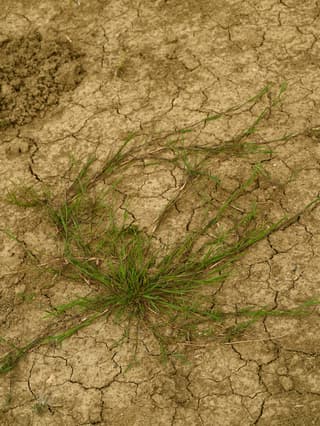
| Creeping bentgrass | Hard | Direct sun | 3d | ✓ |
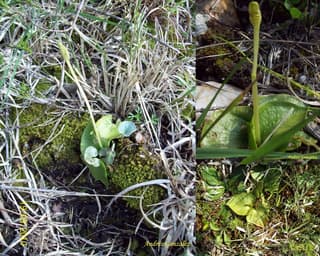
| Bulbous Adder's-tongue | Hard | Partial shade | 4d | ✓ |