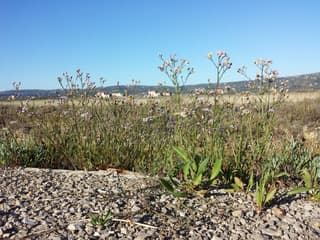
Sea Aster with sap-sucking pests? Rare but Treatable
Tripolium pannonicum
sap-sucking pests on Sea Aster: What to Know?
sap-sucking pests on Sea Aster (Tripolium pannonicum) is a other condition with moderate severity. Sea Aster has low susceptibility to this disease. Group of pests including aphids and scales, feeding on sugary sap on leaves, twigs, and branches. These pests often produce honeydew, which can later be infected by a fungal disease
Sea Aster is a easy-care plant.
Unlike most plants, Sea Aster has natural resistance to sap-sucking pests. Best treated with preventive measures rather than reactive treatment.
🛡️ How to Prevent sap-sucking pests on Sea Aster?
TLDR: Prevent sap-sucking pests on Sea Aster with 3 essential preventive care practices.
- ✓ Encourage the presence of natural enemies (e.g. lady beetles, lacewings, parasitic wasps).
- ✓ Apply dormant oil (controls pests and diseases during the off-season).
- ✓ Inspect new plants for signs of an infestation. Inspect the underside of leaves and stem joints.
🌱 How to Care for Sea Aster to Prevent sap-sucking pests?
💧 How to Water
Keep the soil moist: in the ground, water every 3 to 5 days during hot, dry weather, and more frequently in pots. It tolerates slightly brackish water but does not like to sit in completely dried-out soil.
☀️ Lighting
Full sun, preferably with a south or west-facing exposure in an open area. In the shade, the stems tend to stretch and produce few flowers.
🪴 Ideal Soil
Ordinary garden soil—clay, loam, or sand—that is moist but well-drained; pH is not a major factor. Its tolerance for saline soils makes it an excellent choice for seaside gardens.