Pussy Willow with Scale Insects: Prevention & Cure
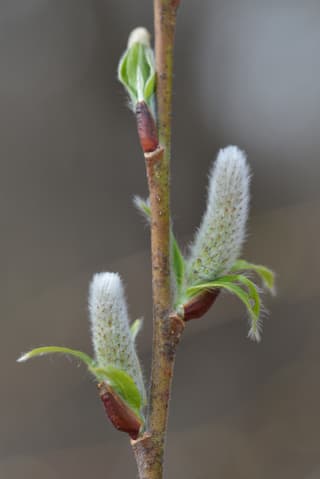
Salix discolor
Scale Insects on Pussy Willow: What to Know?
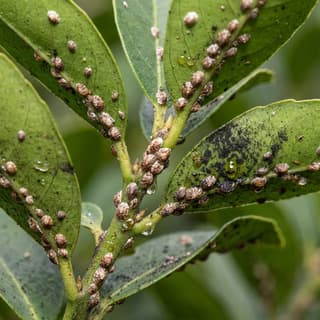
Scale Insects on Pussy Willow (Salix discolor) is a pest condition with moderate severity. Pussy Willow has moderate susceptibility to this disease. Scale insects are small sap-sucking pests that appear as brown, shell-like bumps on plant stems and leaves. There are over 25 species, divided into armored (hard) and unarmored (soft) scales. They fee...
Pussy Willow is a medium-care plant. Recovery from Scale Insects takes approximately 30 days with proper treatment.
Unlike fungal diseases, Scale Insects on Pussy Willow responds quickly to integrated pest management.
🔍 What Does Scale Insects Look Like on Pussy Willow?
- • Small brown rounded lumps on leaves and stems
- • Shell-like or waxy bumps on undersides of leaves
- • Yellowing or chlorotic (pale) leaves
- • Sticky honeydew coating on leaf surfaces
- • Black sooty mold fungus growing on honeydew
- • Drooping or wilting leaves
- • Stunted growth and reduced plant vigor
- • Presence of ants feeding on honeydew
❓ What Causes Scale Insects on Pussy Willow?
- → Introduction of infected plants from nurseries
- → Poor plant health making them more susceptible
- → Warm indoor environments favoring reproduction
- → Lack of natural predators indoors
- → Overcrowding of plants allowing easy spread
- → Stress from heat, drought, or poor care
💊 How to Treat Scale Insects on Pussy Willow?
TLDR: Treat Scale Insects on Pussy Willow with quick treatment (~15 days) or organic (~30 days). Pussy Willow has moderate susceptibility to this disease.
Quick Fixes
Step 1
Blast affected plants with strong water spray from garden hose to dislodge scale insects
Step 2
Mix emergency soap solution: 1 tablespoon dish soap + 1 teaspoon vegetable oil + 1 teaspoon 90-proof alcohol + 1 quart water
Step 3
Spray solution directly on scale insects, focusing on undersides of leaves
Step 4
Physically wipe off visible scale with damp cloth or soft brush
Step 5
Repeat treatment every 2-3 days for one week
Organic Treatment
Step 1
Inspect plants weekly to identify scale insects in their crawler stage (before protective coating develops)
Step 2
Mix insecticidal soap: 1 tablespoon dish soap + 1 quart water in spray bottle
Step 3
Spray affected areas thoroughly, ensuring contact with insects, once daily for 3-4 days
Step 4
Apply horticultural oil (neem oil) to suffocate eggs, nymphs, and adults
Step 5
Physically remove visible scale by wiping leaves with damp cloth
Step 6
Introduce beneficial insects like ladybugs, lacewings, or parasitic wasps for ongoing control
Step 7
Apply fermented stinging nettle tea spray as additional organic treatment
🛡️ How to Prevent Scale Insects on Pussy Willow?
TLDR: Prevent Scale Insects on Pussy Willow with 7 essential preventive care practices.
- ✓ Carefully inspect all new plants before bringing them home
- ✓ Quarantine new plants for 2-3 weeks away from other plants
- ✓ Maintain plant health with proper watering and fertilization
- ✓ Ensure good air circulation around plants
- ✓ Regularly inspect plants, especially leaf undersides
- ✓ Keep plants properly spaced to prevent spread
- ✓ Encourage natural predators like ladybugs and lacewings
🌱 How to Care for Pussy Willow to Prevent Scale Insects?
💧 How to Water
Water deeply and regularly, especially during the establishment phase and dry spells. Pussy Willow loves moisture and tolerates wet soils, making it ideal for low-lying or riparian areas. Do not let the soil dry out completely.
☀️ Lighting
Plant in full sun (at least 6 hours of direct sunlight daily) for the best catkin production. It tolerates partial shade but may produce fewer catkins and become leggy with insufficient light.
🪴 Ideal Soil
Thrives in moist, loamy to clay soils. Tolerates wet, poorly drained conditions and a wide pH range (5.5–7.5). Avoid dry or sandy soils. Excellent for rain gardens and streamside planting.
Frequently asked questions
Can Scale Insects kill my Pussy Willow?
How long does Pussy Willow take to recover from Scale Insects?
Is Scale Insects contagious to other plants near Pussy Willow?
Sources & References
- How to Treat Scale on Indoor Houseplants - Greenery Unlimited
- Scale Management Guidelines - UC IPM
- Controlling Scale Insects and Mealybugs - Alabama Extension
- Scale Insects: Identification and Control - RHS
- How to Get Rid Of Scale Insects on Plants - Almanac
- Gardenia.net - Salix discolor
- NC State Extension - Salix discolor
- Go Botany - Salix discolor