Japanese Astilbe with Slugs and Snails? Rare but Treatable
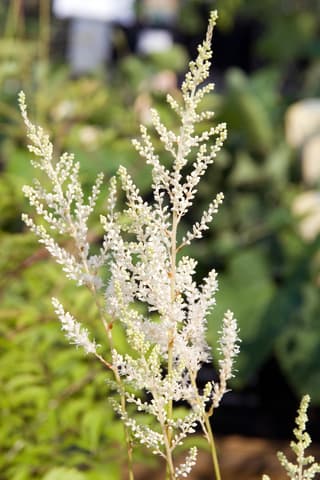
Astilbe japonica
Slugs and Snails on Japanese Astilbe: What to Know?
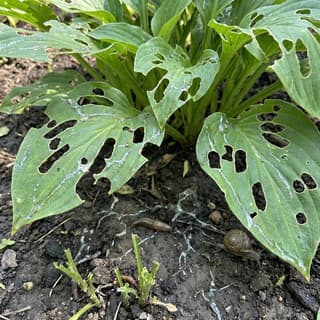
Slugs and Snails on Japanese Astilbe (Astilbe japonica) is a pest condition with moderate severity. Japanese Astilbe has low susceptibility to this disease. Slugs and snails are mollusks that feed on plant tissue, causing irregular holes in leaves and damage to young seedlings. They are most active at night and in moist conditions, leaving characteristic...
Japanese Astilbe is a easy-care plant. Recovery from Slugs and Snails takes approximately 14 days with proper treatment.
Unlike most plants, Japanese Astilbe has natural resistance to Slugs and Snails. Best treated with preventive measures rather than reactive treatment. Unlike fungal diseases, Slugs and Snails on Japanese Astilbe responds quickly to integrated pest management.
🔍 What Does Slugs and Snails Look Like on Japanese Astilbe?
- • Irregular holes in leaves with smooth edges
- • Silvery, shiny slime trails on leaves and soil
- • Missing or completely eaten seedlings
- • Ragged leaf edges and damaged tender shoots
- • Damage concentrated at ground level
- • Visible slugs or snails on plants during evening/night
❓ What Causes Slugs and Snails on Japanese Astilbe?
- → High moisture and humidity levels
- → Dense plant growth providing hiding spots
- → Mulch, leaf litter, and debris near plants
- → Overwatering and poor drainage
- → Cool, damp weather conditions
- → Presence of host plants with tender foliage
💊 How to Treat Slugs and Snails on Japanese Astilbe?
TLDR: Treat Slugs and Snails on Japanese Astilbe with quick treatment (~7 days) or organic (~14 days). Japanese Astilbe has low susceptibility to this disease.
Quick Fixes
Step 1
Apply iron phosphate baits (Sluggo) around affected plants following package directions
Step 2
Scatter pellets in evening when slugs are active, using 1 teaspoon per square yard
Step 3
Focus application near hiding spots and damaged plants
Step 4
Handpick any visible slugs during evening inspection
Step 5
Reapply bait every 7-10 days or after heavy rain
Step 6
Monitor for reduced damage after 3-5 days
Step 7
Continue treatment for 2 weeks minimum
Organic Treatment
Step 1
Handpick slugs and snails during evening hours when they are most active
Step 2
Set beer traps by burying shallow containers filled halfway with beer near affected plants
Step 3
Sprinkle diatomaceous earth in a 2-inch wide barrier around plant base
Step 4
Wrap copper tape around pots or create copper barriers around beds
Step 5
Remove hiding spots like boards, rocks, and dense mulch
Step 6
Water plants in the morning only to reduce nighttime moisture
Step 7
Check traps daily and refresh beer every 2-3 days
Step 8
Reapply diatomaceous earth after rain or watering
🛡️ How to Prevent Slugs and Snails on Japanese Astilbe?
TLDR: Prevent Slugs and Snails on Japanese Astilbe with 6 essential preventive care practices.
- ✓ Remove hiding spots like boards, pots, and dense mulch
- ✓ Water plants in the morning to reduce nighttime moisture
- ✓ Create barriers using copper tape or diatomaceous earth
- ✓ Reduce dense plant growth to improve air circulation
- ✓ Keep garden clean by removing plant debris regularly
- ✓ Use drip irrigation instead of overhead watering
🌱 How to Care for Japanese Astilbe to Prevent Slugs and Snails?
💧 How to Water
Water Japanese Astilbe deeply about once a week, ensuring the soil stays consistently moist but never waterlogged. During hot or dry spells, increase watering frequency. Mulching around the base helps retain soil moisture between waterings. Avoid letting the soil dry out completely, as drought stress causes the foliage to brown and the plant to decline rapidly.
☀️ Lighting
Japanese Astilbe thrives in partial to full shade, making it perfect for dappled woodland light or north-facing borders. It can tolerate morning sun if the soil is kept consistently moist, but afternoon direct sun will scorch the delicate foliage and reduce flowering. Filtered light through a tree canopy is ideal.
🪴 Ideal Soil
Plant in rich, loamy to humus-rich soil with excellent moisture retention and good drainage. A slightly acidic pH of 5.8–6.2 is ideal. Amend planting beds with generous amounts of compost or leaf mould before planting, and top-dress annually to maintain fertility. Avoid sandy or heavy clay soils that either dry out too fast or become waterlogged.