
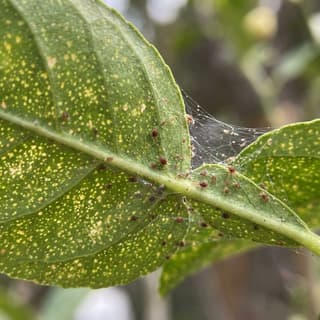
Common Morning Glory with Spider Mites: Prevention & Cure
Ipomoea purpurea
Spider Mites on Common Morning Glory: What to Know?
Spider Mites on Common Morning Glory (Ipomoea purpurea) is a pest condition with high severity. Common Morning Glory has moderate susceptibility to this disease. Spider mites are tiny arachnids (less than 1/20 inch long) related to spiders and ticks that feed on plant sap. They thrive in hot, dry conditions and can cause significant damage to ornamental and ve...
Common Morning Glory is a easy-care plant. Recovery from Spider Mites takes approximately 21 days with proper treatment.
Unlike fungal diseases, Spider Mites on Common Morning Glory responds quickly to integrated pest management. Without precautions, chemical treatments for Spider Mites can be harmful to pets. Use organic methods for Common Morning Glory in pet-friendly homes.
🔍 What Does Spider Mites Look Like on Common Morning Glory?
- • Pale discoloration spots on leaves
- • Fine silk webbing covering leaves and stems
- • Tiny yellow or white speckles on leaf surface (stippling)
- • Leaves taking on yellow or bronzed appearance
- • Flecking and scorching of foliage
- • Reduced chlorophyll content
- • Premature leaf drop and potential plant death
❓ What Causes Spider Mites on Common Morning Glory?
- → Hot and dry weather conditions
- → Low humidity environments
- → Water-stressed plants
- → Dusty conditions on foliage
- → Overuse of pesticides killing natural predators
- → Poor air circulation around plants
- → Bringing infested plants indoors or near healthy plants
💊 How to Treat Spider Mites on Common Morning Glory?
TLDR: Treat Spider Mites on Common Morning Glory with quick treatment (~11 days) or organic (~21 days). Common Morning Glory has moderate susceptibility to this disease.
Quick Fixes
Step 1
Immediately spray all affected plants with rubbing alcohol (70% isopropyl) diluted 1:1 with water
Step 2
Apply insecticidal soap or horticultural oil directly to visible mites
Step 3
Wipe leaves with damp cloth to physically remove mites and webbing
Step 4
Spray undersides of all leaves thoroughly with water mist
Step 5
Repeat alcohol or soap treatment every 3 days for 2 weeks
Organic Treatment
Step 1
Isolate infected plants immediately to prevent spread
Step 2
Spray undersides of leaves with strong water stream daily to dislodge mites
Step 3
Apply neem oil solution (mix with Coco-Wet) every 3-5 days, covering all plant parts
Step 4
Use insecticidal soap spray at 3-day intervals until control is achieved
Step 5
Apply diatomaceous earth to soil surface and lower leaves
Step 6
Introduce beneficial predatory mites (Phytoseiulus persimilis) for ongoing control
Step 7
Monitor plant daily and repeat treatments as needed
🛡️ How to Prevent Spider Mites on Common Morning Glory?
TLDR: Prevent Spider Mites on Common Morning Glory with 9 essential preventive care practices.
- ✓ Maintain adequate irrigation and soil moisture levels
- ✓ Inspect plants weekly for early signs of webbing or stippling
- ✓ Wash trees and vines with water mid-season to remove dust
- ✓ Install drip irrigation systems for consistent moisture
- ✓ Track hot and dry weather and increase watering during high-risk periods
- ✓ Provide shading during extreme heat
- ✓ Encourage natural predators like lady beetles, predatory mites, and minute pirate bugs
- ✓ Quarantine new plants before introducing them to your collection
- ✓ Maintain optimal growing conditions through proper fertilization and temperature control
🌱 How to Care for Common Morning Glory to Prevent Spider Mites?
💧 How to Water
Water once per week during the growing season. Allow the soil to dry slightly between waterings. Avoid waterlogging as roots are susceptible to rot in compacted or poorly drained soil.
☀️ Lighting
Requires at least 6-8 hours of direct sunlight daily for abundant flowering. In partial shade the plant grows but blooms poorly. Position it in a south or east-facing location to maximize sun exposure.
🪴 Ideal Soil
Prefers well-drained, slightly sandy soil with a pH between 6.0 and 7.5. It actually blooms better in moderately fertile soil; soil too rich in nitrogen produces lush foliage but few flowers.
Frequently asked questions
Can Spider Mites kill my Common Morning Glory?
How long does Common Morning Glory take to recover from Spider Mites?
Is Spider Mites contagious to other plants near Common Morning Glory?
Sources & References
- Spider Mites / UC Statewide IPM Program
- Integrated Pest Management for Spider Mites
- How to recognize and manage spider mites - OSU Extension
- How to Get Rid of Spider Mites Effectively
- Spider Mites: Causes, Early Signs, Prevention, And Treatment
- PictureThis - Campanilla Morada Cuidados
- NC State Extension - Ipomoea purpurea
- Gardenia.net - Morning Glory Care
- Todo el Jardín - Ipomea Púrpura