Self-Heal with Spider Mites? Rare but Treatable
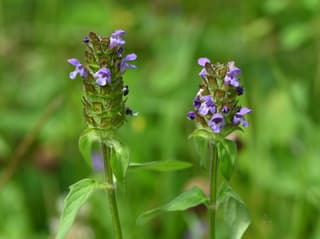
Prunella vulgaris
Spider Mites on Self-Heal: What to Know?
Spider Mites on Self-Heal (Prunella vulgaris) is a pest condition with high severity. Self-Heal has low susceptibility to this disease. Spider mites are tiny arachnids (less than 1/20 inch long) related to spiders and ticks that feed on plant sap. They thrive in hot, dry conditions and can cause significant damage to ornamental and ve...
Self-Heal is a easy-care plant. Recovery from Spider Mites takes approximately 21 days with proper treatment.
Unlike most plants, Self-Heal has natural resistance to Spider Mites. Best treated with preventive measures rather than reactive treatment. Unlike fungal diseases, Spider Mites on Self-Heal responds quickly to integrated pest management.
🔍 What Does Spider Mites Look Like on Self-Heal?
- • Pale discoloration spots on leaves
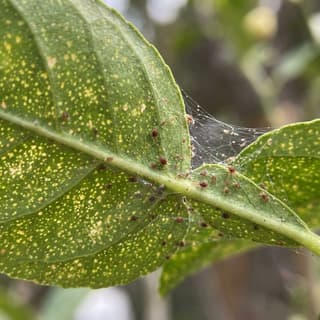
- • Fine silk webbing covering leaves and stems
- • Tiny yellow or white speckles on leaf surface (stippling)
- • Leaves taking on yellow or bronzed appearance
- • Flecking and scorching of foliage
- • Reduced chlorophyll content
- • Premature leaf drop and potential plant death
❓ What Causes Spider Mites on Self-Heal?
- → Hot and dry weather conditions
- → Low humidity environments
- → Water-stressed plants
- → Dusty conditions on foliage
- → Overuse of pesticides killing natural predators
- → Poor air circulation around plants
- → Bringing infested plants indoors or near healthy plants
💊 How to Treat Spider Mites on Self-Heal?
TLDR: Treat Spider Mites on Self-Heal with quick treatment (~11 days) or organic (~21 days). Self-Heal has low susceptibility to this disease.
Quick Fixes
Step 1
Immediately spray all affected plants with rubbing alcohol (70% isopropyl) diluted 1:1 with water
Step 2
Apply insecticidal soap or horticultural oil directly to visible mites
Step 3
Wipe leaves with damp cloth to physically remove mites and webbing
Step 4
Spray undersides of all leaves thoroughly with water mist
Step 5
Repeat alcohol or soap treatment every 3 days for 2 weeks
Organic Treatment
Step 1
Isolate infected plants immediately to prevent spread
Step 2
Spray undersides of leaves with strong water stream daily to dislodge mites
Step 3
Apply neem oil solution (mix with Coco-Wet) every 3-5 days, covering all plant parts
Step 4
Use insecticidal soap spray at 3-day intervals until control is achieved
Step 5
Apply diatomaceous earth to soil surface and lower leaves
Step 6
Introduce beneficial predatory mites (Phytoseiulus persimilis) for ongoing control
Step 7
Monitor plant daily and repeat treatments as needed
🛡️ How to Prevent Spider Mites on Self-Heal?
TLDR: Prevent Spider Mites on Self-Heal with 9 essential preventive care practices.
- ✓ Maintain adequate irrigation and soil moisture levels
- ✓ Inspect plants weekly for early signs of webbing or stippling
- ✓ Wash trees and vines with water mid-season to remove dust
- ✓ Install drip irrigation systems for consistent moisture
- ✓ Track hot and dry weather and increase watering during high-risk periods
- ✓ Provide shading during extreme heat
- ✓ Encourage natural predators like lady beetles, predatory mites, and minute pirate bugs
- ✓ Quarantine new plants before introducing them to your collection
- ✓ Maintain optimal growing conditions through proper fertilization and temperature control
🌱 How to Care for Self-Heal to Prevent Spider Mites?
💧 How to Water
Water when the top 3-4 inches of soil feel dry, applying enough to moisten the entire root zone. Avoid waterlogging. During hot summer periods, reduce interval to 7-10 days. Once established, plants are fairly drought-tolerant.
☀️ Lighting
Grows best in full sun to partial shade with at least 6 hours of direct sunlight daily. In hot climates, afternoon shade prevents leaf scorch. Adapts to a wide range of light conditions making it versatile in garden settings.
🪴 Ideal Soil
Plant in loamy, well-draining soil rich in organic matter. Ideal pH 6.0–7.5. Amend heavy clay soils with perlite or coarse sand to improve drainage and prevent root rot. Tolerates a wide range of soil types including chalk, clay, and sandy soils.
Frequently asked questions
Can Spider Mites kill my Self-Heal?
How long does Self-Heal take to recover from Spider Mites?
Is Spider Mites contagious to other plants near Self-Heal?
Sources & References
- Spider Mites / UC Statewide IPM Program
- Integrated Pest Management for Spider Mites
- How to recognize and manage spider mites - OSU Extension
- How to Get Rid of Spider Mites Effectively
- Spider Mites: Causes, Early Signs, Prevention, And Treatment
- How to Plant, Grow, and Care for Self-Heal – Epic Gardening
- Prunella vulgaris (Selfheal) – Gardenia.net
- Self Heal Monograph – Mountain Rose Herbs
- Common Selfheal Care Guide – ForwardPlant
- Prunella vulgaris – Royal Horticultural Society