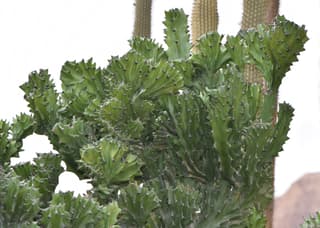
Coral Cactus with Stem Necrosis: Prevention & Cure
Euphorbia lactea 'Cristata'
Stem Necrosis on Coral Cactus: What to Know?
Stem Necrosis on Coral Cactus (Euphorbia lactea 'Cristata') is a other condition with moderate severity. Coral Cactus has moderate susceptibility to this disease. Stem necrosis is a condition characterized by the death of plant tissues on the stem, leading to browning, blackening, and eventual decay. It can weaken the plant, hinder nutrient and water transport,...
Coral Cactus is a medium-care plant. Recovery from Stem Necrosis takes approximately 21 days with proper treatment. As an indoor plant, ensure good ventilation to aid recovery.
🔍 What Does Stem Necrosis Look Like on Coral Cactus?
- • Dark brown to black lesions or streaks on the stem.
- • Wilting of leaves above the affected stem area.
- • Stunted growth and reduced vigor.
- • Cracking or oozing of sap from necrotic areas.
- • Dieback of branches or entire plant parts.
❓ What Causes Stem Necrosis on Coral Cactus?
- → Fungal pathogens (e.g., Botrytis, Phomopsis, Sclerotinia).
- → Bacterial infections.
- → Environmental stress (e.g., extreme temperatures, drought, waterlogging).
- → Physical injury to the stem (e.g., from pruning, insects, or mechanical damage).
💊 How to Treat Stem Necrosis on Coral Cactus?
TLDR: Treat Stem Necrosis on Coral Cactus with quick treatment (~10 days) or organic (~21 days). Coral Cactus has moderate susceptibility to this disease.
Quick Fixes
Fungicide Application
Dilute the systemic fungicide according to the product label instructions. Apply as a drench to the soil around the base of the plant and as a foliar spray to the affected stem.
Repeat Application
If symptoms persist or worsen, a second application may be necessary after 7-10 days, depending on the fungicide and disease severity.
Organic Treatment
Pruning Infected Tissues
Carefully prune away all visibly infected stem sections. Ensure cuts are made into healthy tissue. Sterilize pruning tools after each cut.
Foliar and Stem Application
Mix 10ml of Neem Oil, 1 tablespoon of baking soda, and 1 liter of warm water. Shake well and spray thoroughly on the affected stem and surrounding healthy tissue. Ensure complete coverage.
Soil Drench
Prepare a separate solution of 1 liter of warm water with 1 tablespoon of baking soda. Gently drench the soil around the base of the plant to help suppress soil-borne pathogens.
🛡️ How to Prevent Stem Necrosis on Coral Cactus?
TLDR: Prevent Stem Necrosis on Coral Cactus with 5 essential preventive care practices.
- ✓ Ensure good air circulation around plants.
- ✓ Avoid overwatering and ensure proper drainage.
- ✓ Sanitize pruning tools between uses.
- ✓ Inspect plants regularly for early signs of disease or damage.
- ✓ Maintain optimal growing conditions for the specific plant species.
🌱 How to Care for Coral Cactus to Prevent Stem Necrosis?
💧 How to Water
Water deeply but infrequently, letting the soil dry out completely between waterings; reduce watering significantly in winter to avoid rot.
☀️ Lighting
Provide bright light with some direct sun; insufficient light causes weak, elongated growth on the crest.
🪴 Ideal Soil
Use a well-draining cactus or succulent potting mix, ideally amended with extra perlite or pumice.