Dinteranthus with Sunburn (Sun Scorch): Prevention & Cure
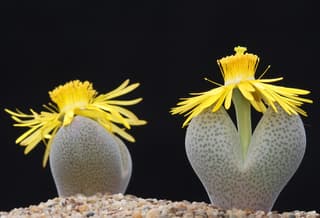
Dinteranthus
Sunburn (Sun Scorch) on Dinteranthus: What to Know?
Sunburn (Sun Scorch) on Dinteranthus (Dinteranthus) is a environmental condition with moderate severity. Dinteranthus has moderate susceptibility to this disease. Sunburn or sun scorch is an environmental condition that occurs when plants are exposed to intense, direct sunlight beyond their tolerance level. This causes the breakdown of chlorophyll in the leaves...
Dinteranthus is a hard-care plant. Recovery from Sunburn (Sun Scorch) takes approximately 21 days with proper treatment. As an indoor plant, ensure good ventilation to aid recovery.
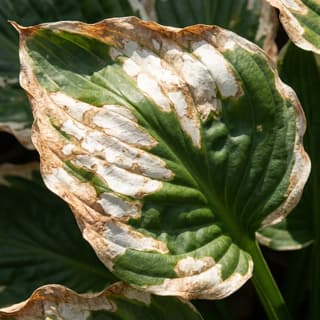
🔍 What Does Sunburn (Sun Scorch) Look Like on Dinteranthus?
- • Pale, bleached, or washed-out white areas on leaves
- • Affected areas turn yellow, then brown, and become brittle
- • Damage appears primarily on top leaves or sun-exposed surfaces
- • Leaf edges become completely dry and crispy
- • Underlying leaves remain unaffected
- • Rapid onset of symptoms (within hours)
❓ What Causes Sunburn (Sun Scorch) on Dinteranthus?
- → Abrupt exposure to bright, direct sunlight
- → Moving plants from low-light to high-light environments too quickly
- → Intense sun combined with dry soil conditions
- → Hot temperatures and high winds increasing water loss
- → Lack of gradual acclimation (hardening off)
- → Water droplets on leaves acting as magnifying lenses in bright sun
💊 How to Treat Sunburn (Sun Scorch) on Dinteranthus?
TLDR: Treat Sunburn (Sun Scorch) on Dinteranthus with quick treatment (~11 days) or organic (~21 days). Dinteranthus has moderate susceptibility to this disease.
Quick Fixes
Step 1
Immediately provide shade using umbrellas, cardboard, or shade cloth during hottest hours (10am-4pm)
Step 2
Give a deep watering in the early morning to reduce plant stress
Step 3
Remove completely scorched leaves to prevent rot
Step 4
Monitor daily and adjust shade as needed
Organic Treatment
Step 1
Move the plant to a shaded area or use shade cloth to block direct afternoon sun
Step 2
Prune away severely damaged leaves and stems to prevent disease
Step 3
Apply a thick layer of organic mulch (2-3 inches) around the base to retain soil moisture
Step 4
Deep water in the morning to help the plant recover from stress
Step 5
Wait one week, then apply liquid seaweed fertilizer to speed healing
Step 6
Gradually reintroduce the plant to sunlight over 2-3 weeks
🛡️ How to Prevent Sunburn (Sun Scorch) on Dinteranthus?
TLDR: Prevent Sunburn (Sun Scorch) on Dinteranthus with 8 essential preventive care practices.
- ✓ Gradually acclimate plants to bright sun over 2-3 weeks (hardening off)
- ✓ Start with full shade, then introduce 1-2 hours of morning sun
- ✓ Keep plants out of direct sunlight during extremely hot days
- ✓ Use sheer curtains or shade cloth to filter intense light
- ✓ Water adequately, especially on hot and windy days
- ✓ Water in morning or evening to avoid droplets during peak sun
- ✓ Apply organic mulch to conserve soil moisture and reduce temperature
- ✓ Provide temporary shading on extremely hot days
🌱 How to Care for Dinteranthus to Prevent Sunburn (Sun Scorch)?
💧 How to Water
Water by soaking the pot and letting it drain, then wait until the mix is completely dry, usually 2-4 weeks in the growing seasons of spring and autumn. Do not water while the new leaf pair is growing out of the old one: wait until the old leaves have fully shriveled. Keep the plant rather dry in the coldest winter month and in dull, cool or very humid weather. Soft, wrinkled-then-mushy heads mean too much water.
☀️ Lighting
Give the most light you can: a south-facing window (north-facing in the southern hemisphere), a bright greenhouse or a grow light. Good light keeps the bodies compact and pale, almost bone-white in D. pole-evansii. Shade lightly from the full midday sun in summer, especially under glass, to avoid scorching, and acclimatise plants gradually when moving them outdoors.
🪴 Ideal Soil
Use a very open, fast-draining mineral mix with little compost and a high proportion of grit, coarse sand, pumice, small lava gravel or pebbles (about 70-80% mineral). Top-dress with gravel so the neck of the plant stays dry. Because the roots are shallow and fibrous, a shallow layer of mix dries faster and is safer than a deep one.
Frequently asked questions
Can Sunburn (Sun Scorch) kill my Dinteranthus?
How long does Dinteranthus take to recover from Sunburn (Sun Scorch)?
Is Sunburn (Sun Scorch) contagious to other plants near Dinteranthus?
Sources & References
- Scorch, Sunburn, and Heat Stress
- How to recognize, prevent and cure sunburn of plants?
- Sunburn Damage on Flowers
- What to Do About Scorched Plants
- Leaf Scorch and Sunscald in the Garden
- Sunburnt Houseplants: Here's How to Prevent It
- Sunscald and Sunburn in Plants
- Learn About Plant Sunburn Damage
- Dinteranthus - Wikipedia
- Dinteranthus wilmotianus - LLIFLE Encyclopedia of Succulents
- Dinteranthus pole-evansii - LLIFLE Encyclopedia
- Dinteranthus inexpectatus - LLIFLE Encyclopedia of Succulents
- Dinteranthus microspermus - Cactus Art