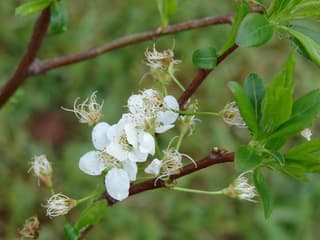
Japanese Plum Prone to Taphrina deformans: How to Protect
Prunus salicina
Taphrina deformans on Japanese Plum: What to Know?
Taphrina deformans on Japanese Plum (Prunus salicina) is a fungal condition with moderate severity. Japanese Plum has high susceptibility to this disease. Taphrina deformans is a fungal disease that primarily affects peaches and nectarines (commonly known as peach leaf curl). The fungus overwinters on twigs and in bud scales, infecting young leaves duri...
Japanese Plum is a medium-care plant.
Japanese Plum is highly susceptible to Taphrina deformans, unlike most plants in the same family. Unlike bacterial infections, Taphrina deformans on Japanese Plum can be managed with organic fungicides. Without precautions, chemical treatments for Taphrina deformans can be harmful to pets. Use organic methods for Japanese Plum in pet-friendly homes.
🛡️ How to Prevent Taphrina deformans on Japanese Plum?
TLDR: Prevent Taphrina deformans on Japanese Plum with 5 essential preventive care practices.
- ✓ Where possible, choose varieties that are less susceptible, such as cultivars with known tolerance, and consult a local nursery.
- ✓ Plant in a warm, sunny, sheltered location with good air circulation.
- ✓ Minimize leaf wetness in early spring by using a rain cover or by watering only at the base of the tree.
- ✓ Maintain tree vitality through light annual pruning, timely leaf removal, and balanced fertilization.
- ✓ Initiate preventative measures before periods of cool, wet weather in late winter, as intervention is less effective once symptoms are visible.
🌱 How to Care for Japanese Plum to Prevent Taphrina deformans?
💧 How to Water
Water every 7 days during the growing season, increasing frequency during hot, dry spells. Allow the topsoil to partially dry between waterings but never let the root zone dry out completely. Reduce watering during winter dormancy.
☀️ Lighting
Japanese plum requires full sun to thrive and produce fruit — choose a location that receives at least 6 to 8 hours of direct sunlight per day. Insufficient light leads to reduced flowering and poor fruit set.
🪴 Ideal Soil
Prefers loamy, well-draining soil with a slightly acidic to neutral pH of 5.5–7.5. Amend the planting site with compost or aged manure to improve soil fertility and drainage before planting.