Blackthorn Prone to Plum Pockets: How to Protect
Prunus spinosa
Plum Pockets on Blackthorn: What to Know?
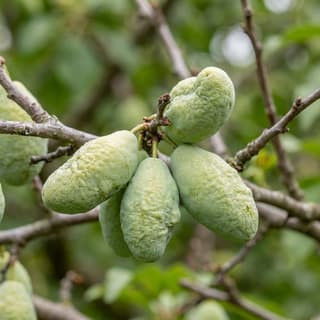
Plum Pockets on Blackthorn (Prunus spinosa) is a fungal condition with moderate severity. Blackthorn has high susceptibility to this disease. Taphrina pruni is a fungal pathogen that causes 'pocket plum' or 'plum pockets' in Prunus species, including plums, damsons, and blackthorn. It infects flowers and young fruit during cool, wet spring...
Blackthorn is a easy-care plant.
Blackthorn is highly susceptible to Plum Pockets, unlike most plants in the same family. Unlike bacterial infections, Plum Pockets on Blackthorn can be managed with organic fungicides. Without precautions, chemical treatments for Plum Pockets can be harmful to pets. Use organic methods for Blackthorn in pet-friendly homes.
🛡️ How to Prevent Plum Pockets on Blackthorn?
TLDR: Prevent Plum Pockets on Blackthorn with 7 essential preventive care practices.
- ✓ Maintain a clean and dry environment within the orchard.
- ✓ Prune in late winter to improve airflow and light penetration.
- ✓ Promptly remove and dispose of fallen fruit and leaf litter.
- ✓ Avoid overhead irrigation during the spring, particularly during the bloom period.
- ✓ Ensure adequate spacing between trees to facilitate rapid foliage drying after rain.
- ✓ In areas with a history of the disease, apply sulfur or copper-based protectants before bud break if cool, wet weather is forecast.
- ✓ Plant healthy, certified stock in full sun with good air movement, and sanitize tools to prevent the spread of spores.
🌱 How to Care for Blackthorn to Prevent Plum Pockets?
💧 How to Water
Water new plants weekly during the first growing season, letting the top few centimetres of soil dry between waterings. Established blackthorn tolerates dry spells well and rarely needs supplemental watering except in prolonged drought.
☀️ Lighting
Give blackthorn full sun for the heaviest crops of flowers and sloes; it will also grow, though flower and fruit less freely, in semi-shade.
🪴 Ideal Soil
Blackthorn is adaptable to sandy, loamy or clay soils and a wide pH range from mildly acidic to alkaline, but performs best in moist, well-drained ground.