Satin Pothos with Transplant Shock? Rare but Treatable
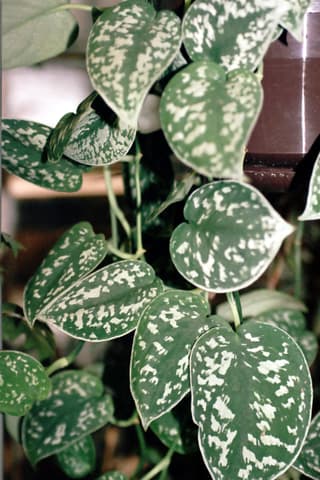
Scindapsus pictus
Transplant Shock on Satin Pothos: What to Know?
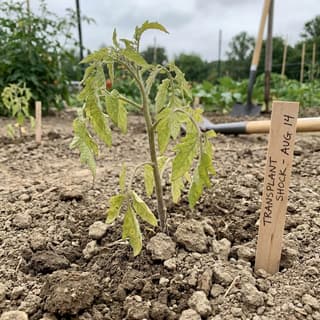
Transplant Shock on Satin Pothos (Scindapsus pictus) is a environmental condition with moderate severity. Satin Pothos has low susceptibility to this disease. Transplant shock is a stress response that occurs when plants are abruptly moved from one environment to another. This environmental condition affects plants during repotting, moving between indoor/ou...
Satin Pothos is a easy-care plant. Recovery from Transplant Shock takes approximately 14 days with proper treatment. As an indoor plant, ensure good ventilation to aid recovery.
Unlike most plants, Satin Pothos has natural resistance to Transplant Shock. Best treated with preventive measures rather than reactive treatment.
🔍 What Does Transplant Shock Look Like on Satin Pothos?
- • Wilting even when soil is moist
- • Leaf drop or premature shedding
- • Stunted or halted growth
- • Leaf discoloration (yellowing or bronzing)
- • Leaf scorch with brown, dried margins
- • Drooping stems or overall plant wilting
❓ What Causes Transplant Shock on Satin Pothos?
- → Root damage during transplanting
- → Environmental changes (light, temperature, humidity)
- → Water stress (both overwatering and underwatering)
- → Disturbance of root system
- → Transplanting during extreme weather
- → Moving plant to incompatible soil conditions
💊 How to Treat Transplant Shock on Satin Pothos?
TLDR: Treat Transplant Shock on Satin Pothos with quick treatment (~7 days) or organic (~14 days). Satin Pothos has low susceptibility to this disease.
Quick Fixes
Step 1
Immediately water plant thoroughly until water drains from bottom
Step 2
Move to location with bright indirect light or create temporary shade
Step 3
Apply commercial root stimulator or vitamin B1 solution according to package directions
Step 4
Remove any severely damaged or wilted leaves with clean pruners
Step 5
Mist leaves lightly to increase humidity around plant
Step 6
Keep soil consistently moist for first 3-5 days
Step 7
Apply sugar water solution (1 teaspoon per gallon) on day 3
Step 8
Reduce watering frequency after 5 days but maintain moisture
Step 9
Watch for signs of recovery - reduced wilting, no new leaf drop
Organic Treatment
Step 1
Water thoroughly but ensure good drainage - soil should be moist, not soggy
Step 2
Apply diluted seaweed extract (1 tablespoon per gallon) to the soil around the base
Step 3
Create temporary shade using shade cloth or move to bright indirect light location
Step 4
Apply 2-3 inch layer of organic mulch (bark, compost) around plant base, avoiding stem
Step 5
Prune any severely wilted, yellowed, or dead leaves to reduce plant stress
Step 6
Monitor soil moisture daily - water when top inch feels dry
Step 7
After 1 week, apply diluted sugar water solution (1 teaspoon per gallon) to support recovery
Step 8
Continue seaweed extract applications weekly for 3-4 weeks
Step 9
Watch for new growth as sign of recovery - be patient, this can take 2-6 weeks
🛡️ How to Prevent Transplant Shock on Satin Pothos?
TLDR: Prevent Transplant Shock on Satin Pothos with 7 essential preventive care practices.
- ✓ Disturb roots as minimally as possible during transplant
- ✓ Bring as much of the root ball as possible when moving
- ✓ Choose appropriate location matching plant needs before transplanting
- ✓ Prepare soil with organic matter beforehand
- ✓ Avoid transplanting during extreme heat or cold
- ✓ Water thoroughly before and after transplanting
- ✓ Transplant during cooler parts of the day (morning or evening)
🌱 How to Care for Satin Pothos to Prevent Transplant Shock?
💧 How to Water
Water every 1-2 weeks, allowing the top half of soil to dry between waterings. Reduce watering in winter. Yellow leaves indicate overwatering; curling leaves suggest underwatering.
☀️ Lighting
Thrives in bright indirect light but tolerates low light conditions. Avoid direct sunlight which can scorch leaves and fade the silver variegation. East or west-facing windows are ideal.
🪴 Ideal Soil
Use well-draining potting mix with perlite or orchid bark. A mix of peat, potting soil, and perlite in equal parts works well. Avoid heavy soils that retain too much moisture.
Frequently asked questions
Can Transplant Shock kill my Satin Pothos?
How long does Satin Pothos take to recover from Transplant Shock?
Is Transplant Shock contagious to other plants near Satin Pothos?
Sources & References
- Dealing With the Dreaded Transplant Shock
- Transplant Shock of Trees and Shrubs - Purdue Extension
- Navigating Transplant Shock in Plants - BIRDY'S PLANTS
- Avoiding And Fixing Transplant Shock In Plants
- Transplant Shock: Causes, Prevention, and Recovery
- How to Plant, Grow, and Care for Scindapsus Pictus
- ASPCA - Satin Pothos Toxicity
- NC State Extension - Scindapsus pictus
- Satin Pothos Care Guide