
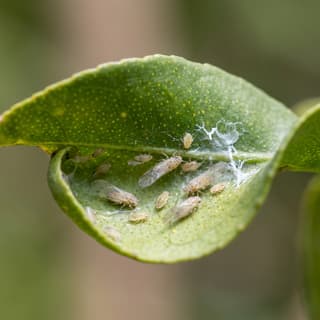
American Persimmon with Psyllids? Rare but Treatable
Diospyros virginiana
Psyllids on American Persimmon: What to Know?
Psyllids on American Persimmon (Diospyros virginiana) is a pest condition with moderate severity. American Persimmon has low susceptibility to this disease. Triozidae (psyllids) are small sap-sucking insects that feed on the sap of tender shoots and leaves. They typically appear during spring and summer. They are identified by curled leaves or small galls...
American Persimmon is a easy-care plant.
Unlike most plants, American Persimmon has natural resistance to Psyllids. Best treated with preventive measures rather than reactive treatment. Unlike fungal diseases, Psyllids on American Persimmon responds quickly to integrated pest management. Without precautions, chemical treatments for Psyllids can be harmful to pets. Use organic methods for American Persimmon in pet-friendly homes.
🛡️ How to Prevent Psyllids on American Persimmon?
TLDR: Prevent Psyllids on American Persimmon with 8 essential preventive care practices.
- ✓ Frequently inspect new shoots during spring and summer.
- ✓ Prune in a balanced manner to limit excessively tender new growth.
- ✓ Fertilize moderately and avoid over-fertilizing with nitrogen.
- ✓ Maintain regular watering and good drainage to reduce plant stress.
- ✓ Attract beneficial insects with flowers that provide nectar and pollen throughout the year.
- ✓ Quarantine and inspect new plants, especially citrus, pear, and bay laurel, checking the underside of the leaves.
- ✓ Clean honeydew and sooty mold to reduce pest attraction.
- ✓ Do not move plant material between gardens in areas with citrus issues and consult local phytosanitary alerts.
🌱 How to Care for American Persimmon to Prevent Psyllids?
💧 How to Water
Water deeply once a week during the first two growing seasons to help the deep taproot establish. Mature trees are drought-tolerant and rarely need supplemental water except in prolonged dry spells, especially while fruit is forming.
☀️ Lighting
Give it at least 6 hours of direct sun a day for the best fruit production; it will survive in partial shade but flowers and fruits less.
🪴 Ideal Soil
Grows in sandy, loamy, or clay soil as long as drainage is good - avoid waterlogged sites, which encourage root rot. Tolerates a wide pH range from mildly acidic to mildly alkaline.