Pittosporum with Psyllids: Prevention & Cure
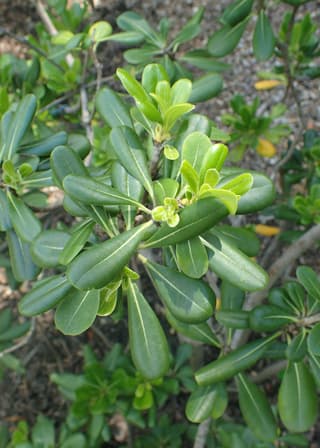
Pittosporum
Psyllids on Pittosporum: What to Know?
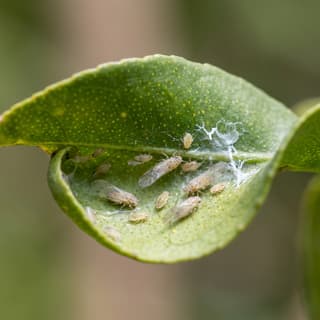
Psyllids on Pittosporum (Pittosporum) is a pest condition with moderate severity. Pittosporum has moderate susceptibility to this disease. Triozidae (psyllids) are small sap-sucking insects that feed on the sap of tender shoots and leaves. They typically appear during spring and summer. They are identified by curled leaves or small galls...
Pittosporum is a easy-care plant. As an indoor plant, ensure good ventilation to aid recovery.
Unlike fungal diseases, Psyllids on Pittosporum responds quickly to integrated pest management.
🛡️ How to Prevent Psyllids on Pittosporum?
TLDR: Prevent Psyllids on Pittosporum with 8 essential preventive care practices.
- ✓ Frequently inspect new shoots during spring and summer.
- ✓ Prune in a balanced manner to limit excessively tender new growth.
- ✓ Fertilize moderately and avoid over-fertilizing with nitrogen.
- ✓ Maintain regular watering and good drainage to reduce plant stress.
- ✓ Attract beneficial insects with flowers that provide nectar and pollen throughout the year.
- ✓ Quarantine and inspect new plants, especially citrus, pear, and bay laurel, checking the underside of the leaves.
- ✓ Clean honeydew and sooty mold to reduce pest attraction.
- ✓ Do not move plant material between gardens in areas with citrus issues and consult local phytosanitary alerts.
🌱 How to Care for Pittosporum to Prevent Psyllids?
💧 How to Water
Allow the top layer of soil to dry out before watering again; waterlogged soil quickly leads to root rot.
☀️ Lighting
Prefers bright, indirect light to full sun; variegated cultivars need more sun exposure to keep their leaf coloring vivid.
🪴 Ideal Soil
Use well-drained soil rich in organic matter with a slightly acidic to neutral pH; avoid soils that stay wet for long periods.