Hooded-leaf Pelargonium with Whiteflies: Prevention & Cure
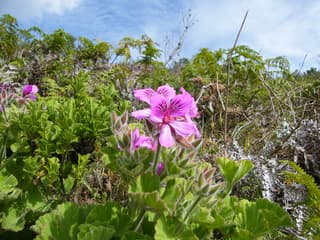
Pelargonium cucullatum
Whiteflies on Hooded-leaf Pelargonium: What to Know?
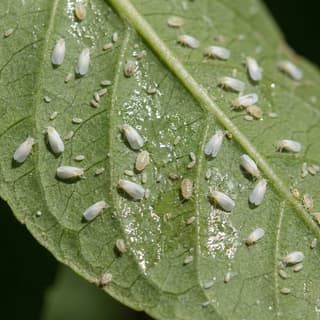
Whiteflies on Hooded-leaf Pelargonium (Pelargonium cucullatum) is a pest condition with high severity. Hooded-leaf Pelargonium has moderate susceptibility to this disease. Whiteflies are small, soft-bodied, winged insects closely related to aphids and mealybugs. They are moth-like in appearance, about 1/16 inch long, triangular in shape, and gray-white in color. These s...
Hooded-leaf Pelargonium is a easy-care plant. Recovery from Whiteflies takes approximately 21 days with proper treatment. As an indoor plant, ensure good ventilation to aid recovery.
Unlike fungal diseases, Whiteflies on Hooded-leaf Pelargonium responds quickly to integrated pest management. Without precautions, chemical treatments for Whiteflies can be harmful to pets. Use organic methods for Hooded-leaf Pelargonium in pet-friendly homes.
🔍 What Does Whiteflies Look Like on Hooded-leaf Pelargonium?
- • Small white moth-like insects clustering on leaf undersides
- • Clouds of white insects fly up when plant is disturbed
- • Yellowing, wilting, and stunted growth of leaves
- • Sticky honeydew coating on leaves, stems, and fruit
- • Black sooty mold growing on honeydew deposits
- • Leaf drop in severe infestations
- • Reduced photosynthesis due to mold coverage
- • Transmission of plant viruses (tomato yellow leaf curl, cucumber mosaic)
❓ What Causes Whiteflies on Hooded-leaf Pelargonium?
- → Adult whiteflies laying eggs on leaf undersides
- → Nymphs feeding on plant sap
- → Introduction of infested plants from nurseries
- → Warm greenhouse conditions (ideal for reproduction)
- → Poor air circulation
- → Overcrowded plants
- → Year-round indoor growing environments
- → Lack of natural predators
💊 How to Treat Whiteflies on Hooded-leaf Pelargonium?
TLDR: Treat Whiteflies on Hooded-leaf Pelargonium with quick treatment (~11 days) or organic (~21 days). Hooded-leaf Pelargonium has moderate susceptibility to this disease.
Quick Fixes
Step 1
Spray water forcefully on plants to knock off whiteflies immediately
Step 2
Apply bifenthrin-based foliar insecticide (e.g., Talstar P) to all leaf surfaces
Step 3
For edible plants, use insecticidal soap or neem oil spray instead
Step 4
Apply systemic insecticide with imidacloprid for long-term control
Step 5
Install yellow sticky traps to monitor population reduction
Step 6
Repeat foliar treatment after 7-10 days if needed
Organic Treatment
Step 1
Spray plants with strong water jet to dislodge whiteflies, focusing on leaf undersides
Step 2
Apply neem oil solution (1-2 tbsp per quart water with mild soap) every 5-7 days
Step 3
Use insecticidal soap spray covering all leaf surfaces, repeat every 3-4 days
Step 4
Release beneficial insects: Encarsia formosa wasps, ladybugs, or lacewing larvae
Step 5
Install yellow sticky traps around affected plants to capture adults
Step 6
Remove heavily infested leaves and dispose in sealed plastic bags
🛡️ How to Prevent Whiteflies on Hooded-leaf Pelargonium?
TLDR: Prevent Whiteflies on Hooded-leaf Pelargonium with 10 essential preventive care practices.
- ✓ Inspect all new plants carefully before bringing home from nursery
- ✓ Quarantine new plants for 2-3 weeks before adding to collection
- ✓ Use reflective mulch around susceptible plants (confuses whiteflies)
- ✓ Install insect-proof screens on greenhouse vents and doors
- ✓ Maintain good air circulation between plants
- ✓ Monitor plants weekly for early detection
- ✓ Remove heavily infested leaves immediately
- ✓ Practice crop rotation in gardens
- ✓ Avoid over-fertilizing (lush growth attracts whiteflies)
- ✓ Keep growing area clean and debris-free
🌱 How to Care for Hooded-leaf Pelargonium to Prevent Whiteflies?
💧 How to Water
Water deeply then allow the soil to dry out before watering again; this plant is drought-tolerant and far more likely to suffer from overwatering than underwatering.
☀️ Lighting
Give it full sun to abundant bright, direct light - at least a few hours of direct sun a day - for the best flowering and compact growth.
🪴 Ideal Soil
Plant in well-draining, sandy or loamy soil with a slightly acid to neutral pH; heavy, waterlogged soils quickly cause root rot.
Frequently asked questions
Can Whiteflies kill my Hooded-leaf Pelargonium?
How long does Hooded-leaf Pelargonium take to recover from Whiteflies?
Is Whiteflies contagious to other plants near Hooded-leaf Pelargonium?
Sources & References
- Whitefly - How to Identify and Get Rid of Whiteflies (8 Ways)
- How to Identify and Get Rid of Whiteflies on Plants
- Whiteflies Management Guidelines--UC IPM
- Whitefly - Biocontrol, Damage and Life Cycle
- Pelargonium cucullatum | PlantZAfrica (SANBI)
- Hooded-Leaf Pelargonium Plant Care | Greg App
- Pelargonium cucullatum - Wikipedia
- Pelargonium Rust | RHS Advice
- Pelargonium cucullatum Hooded-leaf Pelargonium | Random Harvest