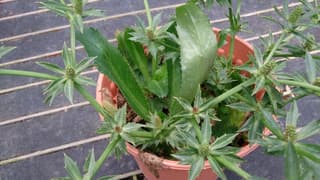
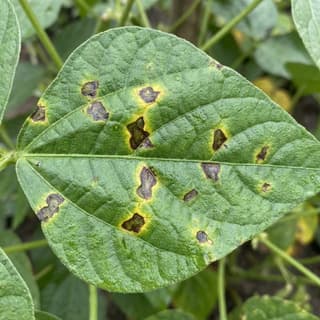
Culantro with Bacterial Leaf Spot: Prevention & Cure
Eryngium foetidum
Bacterial Leaf Spot on Culantro: What to Know?
Bacterial Leaf Spot on Culantro (Eryngium foetidum) is a bacterial condition with moderate severity. Culantro has moderate susceptibility to this disease. Xanthomonas is a group of bacteria that causes leaf spots and blights on many garden and indoor plants. It spreads through splashing water, wet tools, hands, and infected seed or cuttings. Early signs...
Culantro is a medium-care plant. As an indoor plant, ensure good ventilation to aid recovery.
🛡️ How to Prevent Bacterial Leaf Spot on Culantro?
TLDR: Prevent Bacterial Leaf Spot on Culantro with 8 essential preventive care practices.
- ✓ Keep leaves dry by watering early in the day at soil level and increasing spacing for airflow.
- ✓ Practice hygiene by sanitizing tools and pots and washing hands and gloves between plants.
- ✓ Avoid working with plants when they are wet.
- ✓ Buy healthy certified seed and disease free transplants and quarantine new houseplants for two to three weeks.
- ✓ Use mulch to limit splash and maintain even soil moisture.
- ✓ Rotate vegetable crops by family and remove crop residues after harvest.
- ✓ Manage leaf chewing insects that create entry wounds.
- ✓ Maintain balanced nutrition and avoid excess nitrogen that encourages soft disease prone growth.
🌱 How to Care for Culantro to Prevent Bacterial Leaf Spot?
💧 How to Water
Keep the soil evenly moist but not soggy: water every 2 to 3 days in hot weather, when the surface starts to dry. Drought makes it bolt sooner and the leaves get tough.
☀️ Lighting
Partial shade. It tolerates full sun, but with afternoon shade the leaves are larger, greener and more aromatic.
🪴 Ideal Soil
Rich, loose, well-drained soil with a pH of 6 to 8. Dig in compost before planting. It is a heavy feeder, so top up with compost or organic fertilizer during the season.