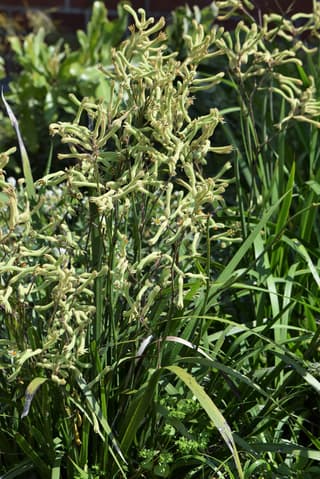
Tall Kangaroo Paw with Leaf Spots: Pet-Safe Treatment
Anigozanthos flavidus
Tall Kangaroo Paw is a plant that needs bright light and moderate watering. When showing leaf spots, it may indicate issues related to its environment or care.
Is your Tall Kangaroo Paw showing leaf spots? Discover 3 possible causes and how to treat them.
🔍 Possible Causes (3)
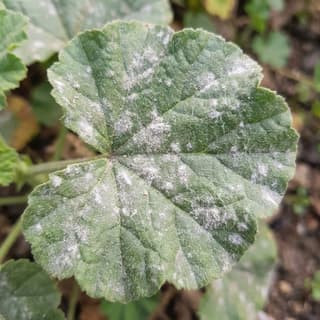
Powdery Mildew
Powdery mildew is a common fungal disease caused by various fungi species including Erysiphe, Podosphaera, Oïdium, and Leveillula. It affects over 10,000 plant species worldwide. The disease thrives in warm, dry climates with high humidity and appears as a distinctive white powdery coating on plant surfaces.
✓ Related symptoms:
- • White to gray powdery spots on leaves, stems, and buds
⚡ Quick Fixes:
Remove heavily infected areas
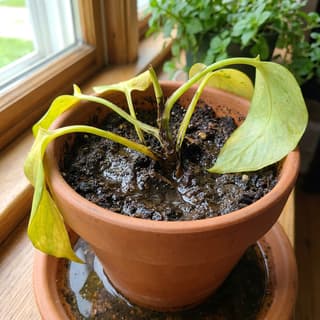
Overwatering
Overwatering occurs when plants receive too much water, depriving roots of oxygen and causing root rot. This environmental stress is one of the most common causes of houseplant death, as waterlogged soil prevents roots from breathing and functioning properly.
✓ Related symptoms:
- • Brown spots or edges with yellow halos on leaves (bacterial infection)
⚡ Quick Fixes:
Step 1
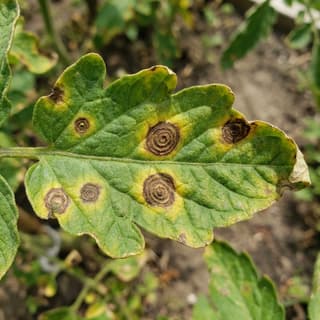
Alternaria Leaf Spot
Alternaria leaf spot is a common fungal disease caused by Alternaria solani and Alternaria alternata that affects a wide range of plants including tomatoes, potatoes, brassicas, and ornamentals. The disease thrives in warm, humid conditions and can cause significant crop damage if left untreated. Spores overwinter on plant debris and can attach to seeds, making complete elimination difficult.
✓ Related symptoms:
- • Small dark circular spots (0.5-0.75 inches diameter) on leaves
- • Spots change from black to tan/gray with yellow halos
- • Brown or black spots on fruits and stems
⚡ Quick Fixes:
Step 1