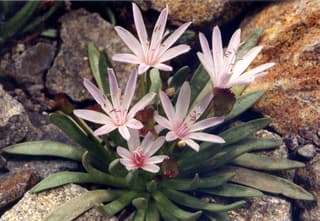
Truckee lewisia with Falling Leaves: Causes & Solutions
Lewisia longipetala
Truckee lewisia is a plant that needs bright light and infrequent watering. When showing falling leaves, it may indicate issues related to its environment or care.
Is your Truckee lewisia showing falling leaves? Discover 5 possible causes and how to treat them.
🔍 Possible Causes (5)
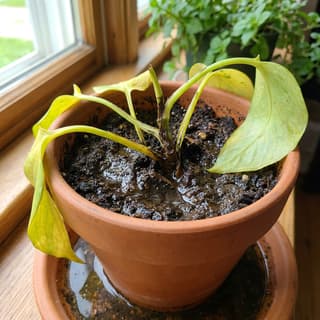
Overwatering
Overwatering occurs when plants receive too much water, depriving roots of oxygen and causing root rot. This environmental stress is one of the most common causes of houseplant death, as waterlogged soil prevents roots from breathing and functioning properly.
✓ Related symptoms:
- • Dropping leaves (both old and new) that may be green, brown, or yellow
⚡ Quick Fixes:
Step 1
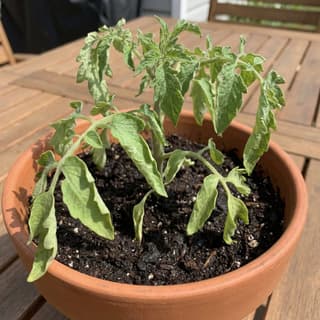
Heat Stress
Heat stress occurs when plants are exposed to excessively high temperatures, typically above 85-90°F (29-32°C), causing physiological damage and compromising vital processes such as photosynthesis and transpiration.
✓ Related symptoms:
- • Flower and fruit drop
- • Leaf drop (defoliation)
⚡ Quick Fixes:
Step 1
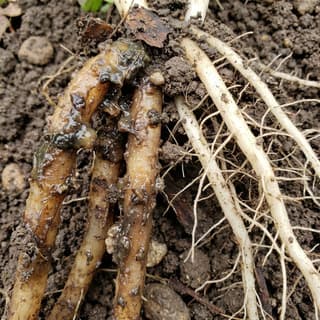
Root Rot
Root rot is a serious fungal disease that affects the root system of plants, causing them to decay and die. It is primarily caused by overwatering, poor drainage, or soil-borne fungi such as Pythium, Phytophthora, Rhizoctonia, and Fusarium. The disease thrives in waterlogged conditions where roots are deprived of oxygen, making them susceptible to fungal infection.
✓ Related symptoms:
- • Leaves dropping prematurely
⚡ Quick Fixes:
Emergency unpotting
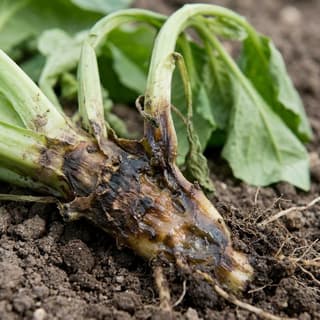
Crown Rot
Crown rot is a serious fungal disease that attacks the crown (base) of the plant where the stem meets the soil. It is caused by various fungal pathogens including Phytophthora, Fusarium, and Rhizoctonia. The disease thrives in waterlogged conditions and can quickly spread to kill the entire plant if not addressed promptly.
✓ Related symptoms:
- • Yellowing of lower leaves that drop prematurely
⚡ Quick Fixes:
Immediate unpotting
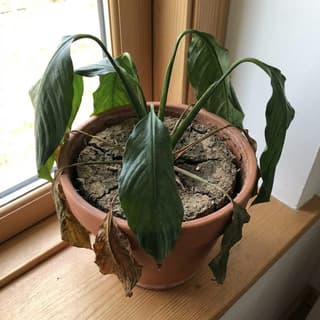
Underwatering
Underwatering or drought stress is a physiological disorder that occurs when the amount of water a plant loses through transpiration exceeds the amount its roots can absorb from the soil. This leads to cellular dehydration and various visible symptoms that can compromise plant health and productivity.
✓ Related symptoms:
- • Premature leaf drop
- • Flower or fruit drop
⚡ Quick Fixes:
Step 1