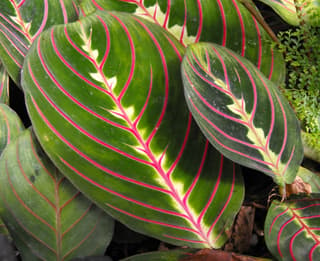
Red Prayer Plant with Wilting Leaves: Pet-Safe Treatment
Maranta leuconeura var. erythroneura
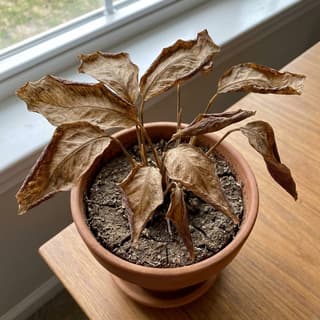
Red Prayer Plant is a plant that needs indirect light and moderate watering. When showing wilting leaves, it may indicate issues related to its environment or care.
Is your Red Prayer Plant showing wilting leaves? Discover 7 possible causes and how to treat them.
🔍 Possible Causes (7)
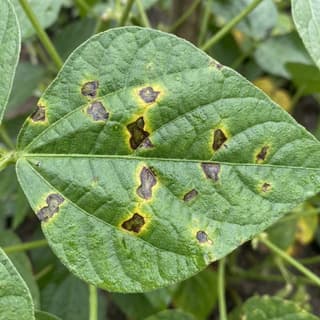
Bacterial Leaf Spot
Bacterial leaf spot is a plant disease caused by bacteria in the Xanthomonas and Pseudomonas genera that affects various ornamental and edible plants. The bacteria infect leaves through wounds or natural openings, causing characteristic lesions that can lead to premature leaf drop and plant weakening.
✓ Related symptoms:
- • Leaf yellowing and wilting
⚡ Quick Fixes:
Remove infected leaves
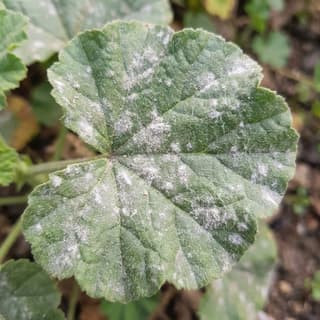
Powdery Mildew
Powdery mildew is a common fungal disease caused by various fungi species including Erysiphe, Podosphaera, Oïdium, and Leveillula. It affects over 10,000 plant species worldwide. The disease thrives in warm, dry climates with high humidity and appears as a distinctive white powdery coating on plant surfaces.
✓ Related symptoms:
- • Early wilting and leaf browning
⚡ Quick Fixes:
Remove heavily infected areas
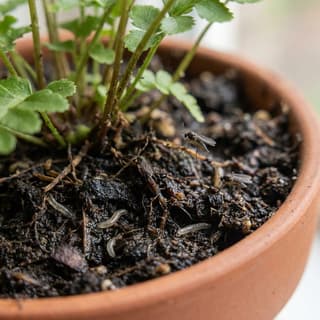
Fungus Gnats
Fungus gnats are small, gray-to-black mosquito-like insects (1/8 to 1/10 inches long) commonly found in indoor plants. Adult gnats are mostly a nuisance, but their larvae feed on plant roots and organic matter in soil, potentially causing serious damage to young or vulnerable plants. The larvae are translucent white with distinctive black heads and can leave slime trails on the soil surface in heavy infestations.
✓ Related symptoms:
- • Wilting despite adequate watering
⚡ Quick Fixes:
Step 1
Low Humidity Stress
Low humidity stress occurs when indoor air becomes too dry, causing plants to lose moisture faster than they can absorb it through their roots. This is especially common during winter heating periods, near radiators and heating vents, or in air-conditioned spaces. Tropical plants are particularly susceptible to low humidity damage.
✓ Related symptoms:
- • Drooping or wilting leaves despite adequate soil moisture
⚡ Quick Fixes:
Step 1

Root Rot
Root rot is a serious fungal disease that affects the root system of plants, causing them to decay and die. It is primarily caused by overwatering, poor drainage, or soil-borne fungi such as Pythium, Phytophthora, Rhizoctonia, and Fusarium. The disease thrives in waterlogged conditions where roots are deprived of oxygen, making them susceptible to fungal infection.
✓ Related symptoms:
- • Wilting leaves despite moist soil
⚡ Quick Fixes:
Emergency unpotting
Gray Mold (Botrytis Blight)
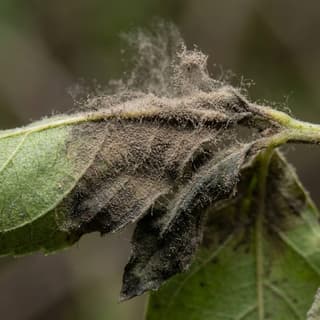
Gray mold, caused by the fungus Botrytis cinerea, is a widespread necrotrophic pathogen affecting over 1,400 plant species. It thrives in cool, humid conditions and attacks weakened or aging plant tissues, causing soft rot and characteristic gray fuzzy growth.
✓ Related symptoms:
- • Wilting and browning of flower petals
⚡ Quick Fixes:
Step 1
Mealybugs
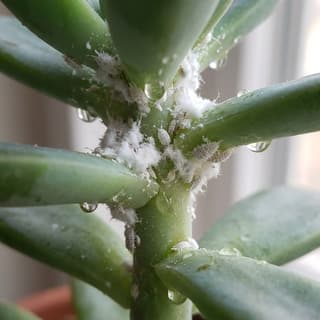
Mealybugs are small, soft-bodied insects covered with a white, waxy, cottony material. They are common pests of houseplants and outdoor plants in mild climates. These sap-sucking insects feed on plant tissue, causing damage, stunted growth, and can lead to plant death if left untreated. They produce sticky honeydew which attracts sooty mold.
✓ Related symptoms:
- • Yellowing or wilting leaves
⚡ Quick Fixes:
Step 1