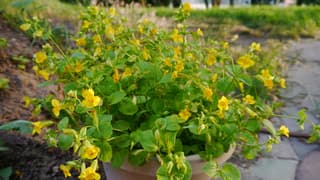
Monkey musk with Wilting Leaves: Causes & Solutions
Erythranthe guttata
Monkey musk is a plant that needs bright light and frequent watering. When showing wilting leaves, it may indicate issues related to its environment or care.
Is your Monkey musk showing wilting leaves? Discover 3 possible causes and how to treat them.
🔍 Possible Causes (3)
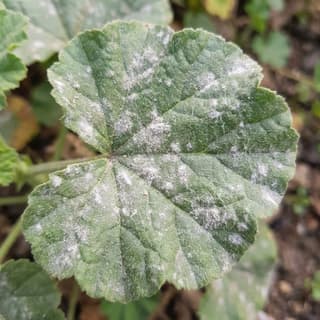
Powdery Mildew
Powdery mildew is a common fungal disease caused by various fungi species including Erysiphe, Podosphaera, Oïdium, and Leveillula. It affects over 10,000 plant species worldwide. The disease thrives in warm, dry climates with high humidity and appears as a distinctive white powdery coating on plant surfaces.
✓ Related symptoms:
- • Early wilting and leaf browning
⚡ Quick Fixes:
Remove heavily infected areas
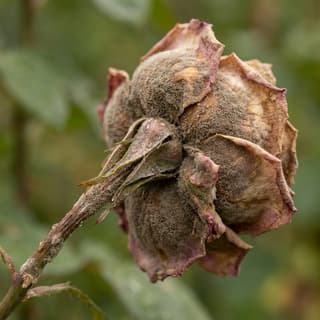
Gray Mold (Botrytis Blight)
Gray mold, caused by the fungus Botrytis cinerea, is one of the most common fungal diseases in plants. It affects over 200 plant species, including ornamentals, vegetables, fruits, and houseplants. The disease thrives in cool, humid conditions with poor air circulation, causing grayish spots and soft rot on infected tissues.
✓ Related symptoms:
- • Wilting and collapse of affected tissues
⚡ Quick Fixes:
Remove and dispose of all visibly infected parts
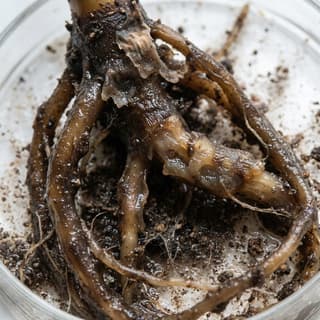
Pythium Root Rot
Pythium root rot is a serious fungal disease caused by various Pythium species including P. aphanidermatum, P. ultimum, and P. irregulare. These water molds are present in practically all cultivated soils and attack plant roots under wet conditions, causing rapid wet rot that can extend into the stem. The disease is favored by poor drainage, overwatering, and specific temperatures depending on the species.
✓ Related symptoms:
- • Wilting during the day with recovery at night
⚡ Quick Fixes:
Step 1