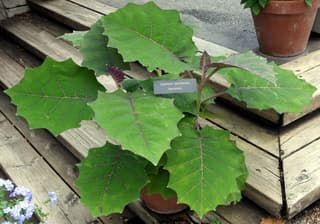
Naranjilla with Wilting Leaves: Causes & Solutions
Solanum quitoense
Naranjilla is a plant that needs indirect light and frequent watering. When showing wilting leaves, it may indicate issues related to its environment or care.
Is your Naranjilla showing wilting leaves? Discover 2 possible causes and how to treat them.
🔍 Possible Causes (2)
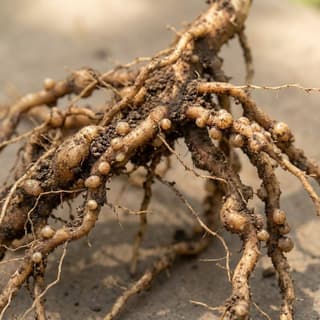
Root-Knot Nematodes
Root-knot nematodes (Meloidogyne species) are microscopic roundworms that parasitize plant roots, causing characteristic galls or knots. These soil-borne pests are among the most economically damaging plant pathogens worldwide, affecting a wide range of ornamental and edible plants. The nematodes inject enzymes into root cells, causing abnormal swelling and disrupting water and nutrient uptake.
✓ Related symptoms:
- • Wilting during hot periods despite adequate soil moisture
⚡ Quick Fixes:
Step 1
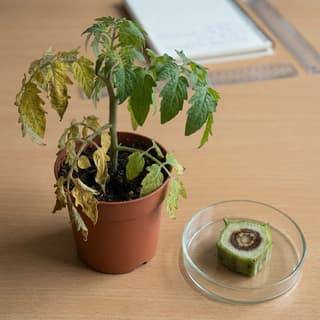
Fusarium Wilt
Fusarium wilt is a serious fungal disease caused by the soil-borne fungus Fusarium oxysporum. The fungus invades roots and blocks the water-conducting vessels (xylem) of the plant, causing progressive wilting and eventual death. Host-specific forms of the pathogen exist that attack different plant species.
✓ Related symptoms:
- • Wilting during the hottest part of the day with recovery at night (early stage)
- • Progressive upward wilting from the stem base
⚡ Quick Fixes:
Remove Plant