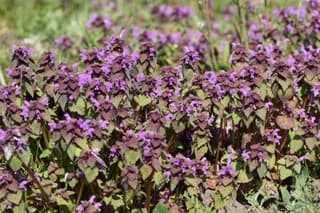
Purple Dead-nettle with Wilting Leaves: Pet-Safe Treatment
Lamium purpureum
Purple Dead-nettle is a plant that needs bright light and moderate watering. When showing wilting leaves, it may indicate issues related to its environment or care.
Is your Purple Dead-nettle showing wilting leaves? Discover 2 possible causes and how to treat them.
🔍 Possible Causes (2)
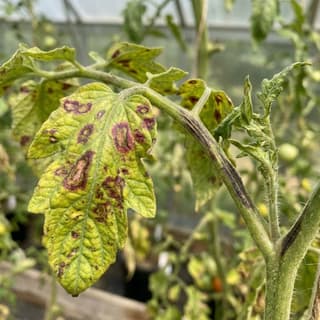
Tomato Spotted Wilt Virus (TSWV)
Tomato Spotted Wilt Virus (TSWV) is one of the most devastating viral diseases affecting over 1,000 plant species across 85 families. It is transmitted by thrips and cannot be cured once a plant is infected. The virus causes severe stunting, bronzing of leaves, necrotic spots, and significant yield losses. Early detection and removal of infected plants is critical to prevent spread.
✓ Related symptoms:
- • Wilting or drooping despite adequate water
⚡ Quick Fixes:
Step 1
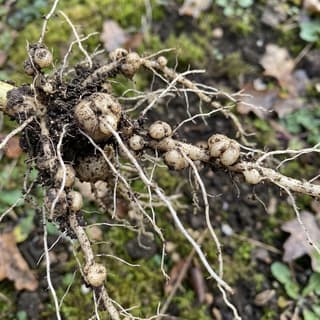
Root-Knot Nematodes
Root-knot nematodes (Meloidogyne species) are microscopic roundworms that parasitize plant roots, causing characteristic galls or knots. These soil-borne pests are among the most economically damaging plant pathogens worldwide, affecting a wide range of ornamental and edible plants. The nematodes inject enzymes into root cells, causing abnormal swelling and disrupting water and nutrient uptake.
✓ Related symptoms:
- • Wilting during hot periods despite adequate soil moisture