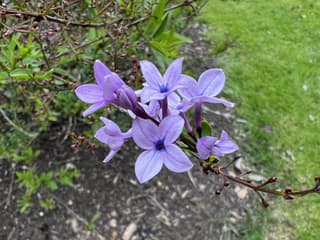
Persian lilac with Yellow Leaves: Causes & Solutions
Syringa persica
Persian lilac is a plant that needs bright light and infrequent watering. When showing yellow leaves, it may indicate issues related to its environment or care.
Is your Persian lilac showing yellow leaves? Discover 6 possible causes and how to treat them.
🔍 Possible Causes (6)
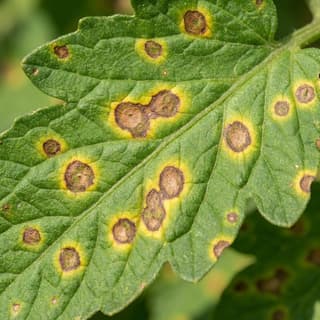
Leaf Spot
Leaf spot is a common fungal disease caused by various pathogens including Alternaria, Ascochyta, Colletotrichum, Septoria, and Venturia. It primarily affects leaves, causing discolored spots that can lead to premature leaf drop if left untreated.
✓ Related symptoms:
- • Circular brown, gray, black, or yellow spots on leaves
- • Yellow halo surrounding spots
⚡ Quick Fixes:
Remove all visibly infected leaves
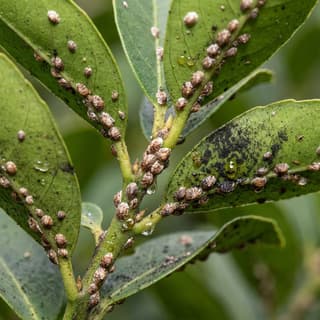
Scale Insects
Scale insects are small sap-sucking pests that appear as brown, shell-like bumps on plant stems and leaves. There are over 25 species, divided into armored (hard) and unarmored (soft) scales. They feed by piercing plant tissue and extracting sap, which weakens the plant and can lead to yellowing, stunted growth, and even death if left untreated. They also excrete honeydew, which attracts ants and promotes sooty mold growth.
✓ Related symptoms:
- • Yellowing or chlorotic (pale) leaves
⚡ Quick Fixes:
Step 1
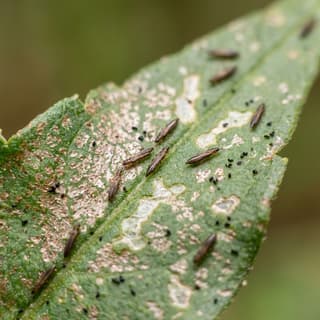
Thrips
Thrips are tiny cigar-shaped insects (1/25-inch long) that damage plants by sucking plant juices and scraping at fruits, flowers, and leaves. With over 6,000 species and rapid reproduction (lifecycle as short as 14 days), they can quickly infest plants and transmit viruses like tomato spotted wilt virus.
✓ Related symptoms:
- • Yellowing and eventual death of affected leaves
⚡ Quick Fixes:
Step 1
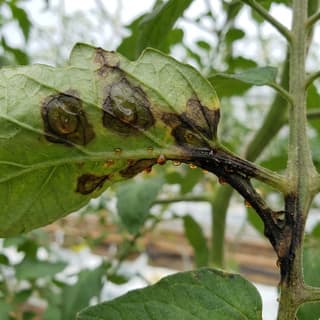
Bacterial Blight
Bacterial blight is a serious plant disease caused by pathogenic bacteria that enters plants through wounds or natural openings. It spreads rapidly in warm, wet conditions and can cause significant damage to leaves, stems, and flowers. The bacteria are transmitted by water splash, contaminated tools, and insects.
✓ Related symptoms:
- • Yellow halos surrounding lesions
⚡ Quick Fixes:
Step 1
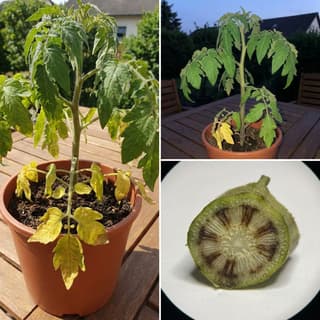
Verticillium Wilt
Verticillium wilt is a soil-borne fungal disease caused primarily by the fungi Verticillium dahliae and V. albo-atrum. These pathogens infect plant roots and grow within the vascular tissues, blocking water and nutrient transport, resulting in wilting and eventual plant death. The disease affects over 350 plant species including vegetables, fruits, ornamental flowers, and trees. The fungi can survive in soil for more than 10 years as resistant structures called microsclerotia.
✓ Related symptoms:
- • Yellowing of leaves (chlorosis) starting from the margins
- • V-shaped yellowing pattern on leaves
⚡ Quick Fixes:
Quick Assessment
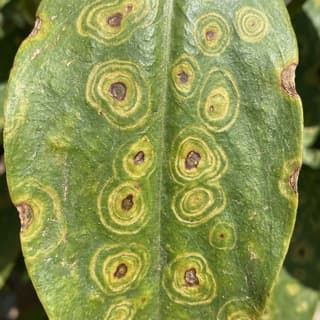
Ringspot Virus
Ringspot virus is a viral disease affecting various plant species, causing distinctive circular or ring-shaped chlorotic patterns on leaves and fruits. Transmitted primarily by aphids, nematodes, or through contaminated tools, this virus cannot be cured and infected plants must be managed carefully to prevent spread. The virus weakens plants, reduces yield, and can spread rapidly in gardens if not properly contained.
✓ Related symptoms:
- • Circular yellow or chlorotic rings on leaves (1/8" to 1/4" diameter)
- • Ring patterns that start pale yellow and may turn necrotic brown
⚡ Quick Fixes:
Emergency isolation NOW