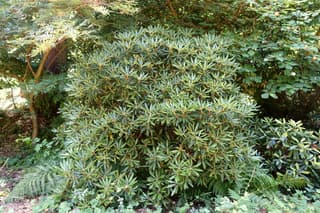
Hyperythrum Rhododendron with Yellow Leaves: Causes & Solutions
Rhododendron hyperythrum
Hyperythrum Rhododendron is a plant that needs indirect light and moderate watering. When showing yellow leaves, it may indicate issues related to its environment or care.
Is your Hyperythrum Rhododendron showing yellow leaves? Discover 6 possible causes and how to treat them.
🔍 Possible Causes (6)
Azalea lace bug
The Azalea lace bug is a common pest that sucks sap from the underside of leaves. This causes a stippled or bleached appearance on the top of the leaf. You will often see dark, varnish like spots of waste on the leaf bottoms. If left alone, the plant becomes weak and the leaves may turn brown and fall off early.
✓ Related symptoms:
- • Yellow or white tiny spots on top of leaves
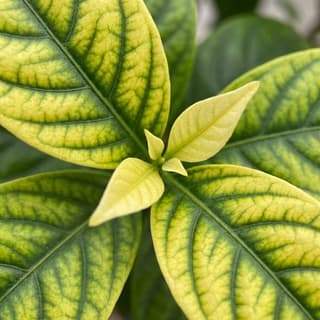
Iron Deficiency
Iron deficiency, commonly known as iron chlorosis, is a nutrient deficiency disorder where plants cannot access sufficient iron from the soil. While iron is typically abundant in soil, various soil conditions can limit plant uptake, resulting in characteristic yellowing of leaves while veins remain green.
✓ Related symptoms:
- • Yellowing of leaves (chlorosis) while veins remain green - most obvious symptom
- • Yellowing starts at the tips of new growth and progresses to older leaves
- • Severe cases show yellowing even in leaf veins
⚡ Quick Fixes:
Step 1
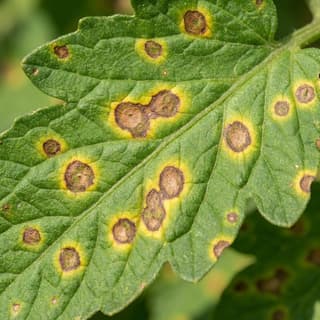
Leaf Spot
Leaf spot is a common fungal disease caused by various pathogens including Alternaria, Ascochyta, Colletotrichum, Septoria, and Venturia. It primarily affects leaves, causing discolored spots that can lead to premature leaf drop if left untreated.
✓ Related symptoms:
- • Circular brown, gray, black, or yellow spots on leaves
- • Yellow halo surrounding spots
⚡ Quick Fixes:
Remove all visibly infected leaves
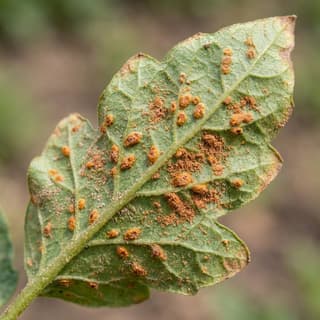
Rust
Rust is a common fungal disease caused by fungi in the order Pucciniales that affects a wide variety of plants. The disease gets its name from the characteristic orange, yellow, or reddish-brown pustules that appear on leaves, resembling metal rust. This obligate fungal parasite requires living plants to survive and can cause significant economic losses in agricultural crops.
✓ Related symptoms:
- • Raised orange, yellow, brown, or red pustules on leaf surfaces
- • Premature yellowing and leaf drop
⚡ Quick Fixes:
Immediate Pruning
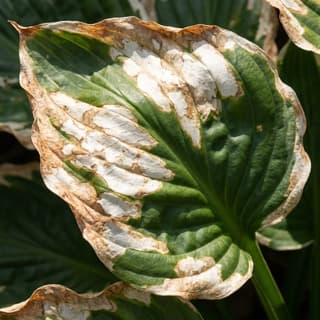
Sunburn (Sun Scorch)
Sunburn or sun scorch is an environmental condition that occurs when plants are exposed to intense, direct sunlight beyond their tolerance level. This causes the breakdown of chlorophyll in the leaves, resulting in bleached, dried, and damaged foliage. The damage can happen rapidly, sometimes within just a few hours of exposure.
✓ Related symptoms:
- • Affected areas turn yellow, then brown, and become brittle
⚡ Quick Fixes:
Step 1
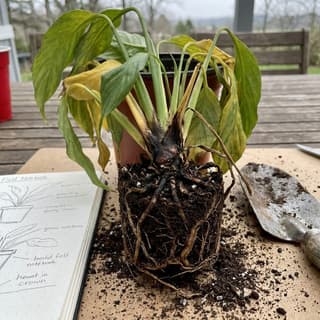
Phytophthora Root Rot
Disease caused by fungus-like organisms (oomycetes) that live in soil and can survive for years. It affects roots, stem, and crown of plants, being especially severe in waterlogged or poorly drained soils. It is the second most common cause of root rot in trees and shrubs.
✓ Related symptoms:
- • Yellowing or discolored foliage (dull green, yellow, red, purplish)
⚡ Quick Fixes:
Expose plant base by removing soil to main roots