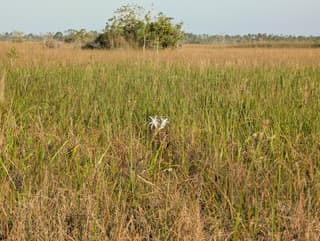
Southern Swamp Lily with Slow Growth: Causes & Solutions
Crinum americanum
Southern Swamp Lily is a plant that needs bright light and frequent watering. When showing slow growth, it may indicate issues related to its environment or care.
Is your Southern Swamp Lily showing slow growth? Discover 4 possible causes and how to treat them.
🔍 Possible Causes (4)
Red Blotch (Stagonospora curtisii)
A common fungal disease affecting bulbous plants such as Amaryllis. It is characterized by elongated, bright red lesions that can deform leaves and stems, eventually weakening the bulb over time.
✓ Related symptoms:
- • Stunted plant growth
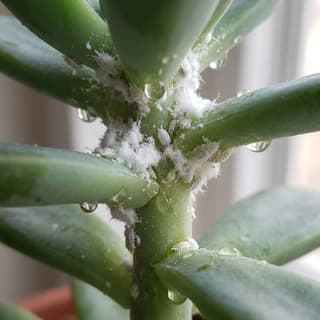
Mealybugs
Mealybugs are small, soft-bodied insects covered with a white, waxy, cottony material. They are common pests of houseplants and outdoor plants in mild climates. These sap-sucking insects feed on plant tissue, causing damage, stunted growth, and can lead to plant death if left untreated. They produce sticky honeydew which attracts sooty mold.
✓ Related symptoms:
- • Stunted or deformed growth
⚡ Quick Fixes:
Step 1
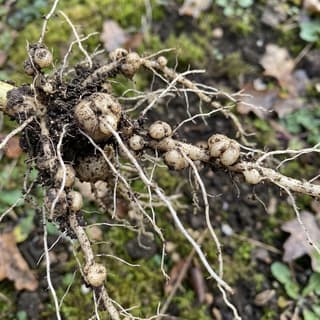
Root-Knot Nematodes
Root-knot nematodes (Meloidogyne species) are microscopic roundworms that parasitize plant roots, causing characteristic galls or knots. These soil-borne pests are among the most economically damaging plant pathogens worldwide, affecting a wide range of ornamental and edible plants. The nematodes inject enzymes into root cells, causing abnormal swelling and disrupting water and nutrient uptake.
✓ Related symptoms:
- • Stunted growth and reduced vigor
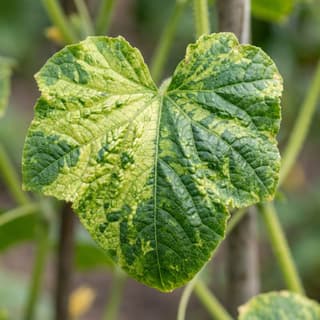
Mosaic Virus
Mosaic virus is a group of plant viruses that cause mottled, patchy patterns on leaves and can affect a wide variety of plants. The virus creates characteristic yellow, white, and green mosaic patterns, often accompanied by stunted growth and deformed plant parts. This highly contagious disease spreads rapidly through insect vectors and contaminated tools.
✓ Related symptoms:
- • Stunted growth and reduced plant size
⚡ Quick Fixes:
Step 1