
Taro with Wilting Leaves: Causes & Solutions
Colocasia esculenta
Taro is a plant that needs indirect light and frequent watering. When showing wilting leaves, it may indicate issues related to its environment or care.
Is your Taro showing wilting leaves? Discover 12 possible causes and how to treat them.
🔍 Possible Causes (12)
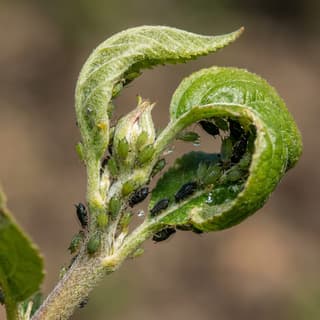
Aphids
Aphids are small, soft-bodied, pear-shaped insects (1/16 to 1/8 inch long) that feed by sucking nutrient-rich sap from plants. They reproduce rapidly and can quickly weaken plants, causing distorted growth and transmitting plant viruses. Aphids come in various colors including green, black, red, yellow, brown, and gray. They secrete honeydew, a sticky substance that attracts ants and encourages sooty mold growth.
✓ Related symptoms:
- • Wilting or weakened plants despite adequate watering
⚡ Quick Fixes:
Step 1
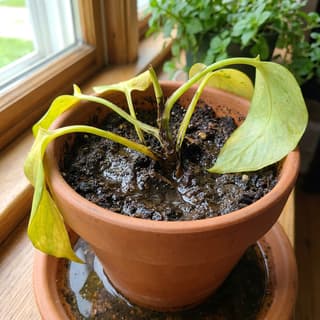
Overwatering
Overwatering occurs when plants receive too much water, depriving roots of oxygen and causing root rot. This environmental stress is one of the most common causes of houseplant death, as waterlogged soil prevents roots from breathing and functioning properly.
✓ Related symptoms:
- • Yellow or brown limp, droopy leaves that feel soft and mushy
- • Wilting despite wet soil
⚡ Quick Fixes:
Step 1
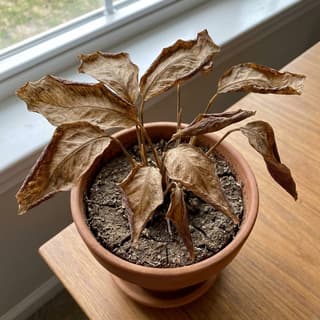
Low Humidity Stress
Low humidity stress occurs when indoor air becomes too dry, causing plants to lose moisture faster than they can absorb it through their roots. This is especially common during winter heating periods, near radiators and heating vents, or in air-conditioned spaces. Tropical plants are particularly susceptible to low humidity damage.
✓ Related symptoms:
- • Drooping or wilting leaves despite adequate soil moisture
⚡ Quick Fixes:
Step 1
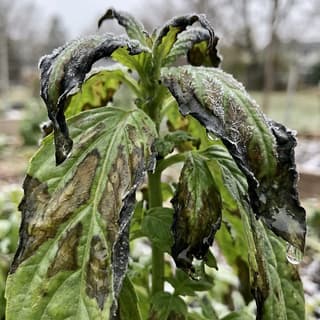
Cold Damage
Cold damage, also known as frost injury, occurs when plants are exposed to freezing or near-freezing temperatures. This environmental stress can cause cellular damage as ice crystals form within plant tissues, rupturing cells and disrupting normal plant functions. Chilling injury can also occur in sensitive species at temperatures between 32-55°F (0-10°C), even without actual freezing.
✓ Related symptoms:
- • Leaves become limp, wilted, and droopy
⚡ Quick Fixes:
Step 1
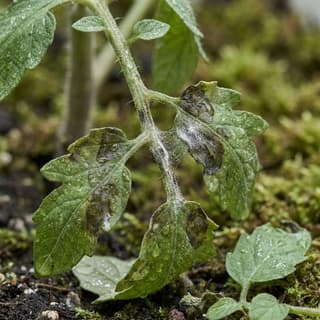
Phytophthora Blight
Devastating fungal disease caused by Phytophthora species (primarily P. capsici and P. infestans), famously responsible for the Irish Potato Famine in the 1840s. Affects all plant parts including roots, stems, leaves, and fruits in warm, wet conditions. The pathogen is technically an oomycete (water mold) that thrives in saturated soils and can survive in soil for 5+ years.
✓ Related symptoms:
- • Wilting plants that pull easily from soil
⚡ Quick Fixes:
Immediately apply systemic fungicide (mefenoxam) as soil drench
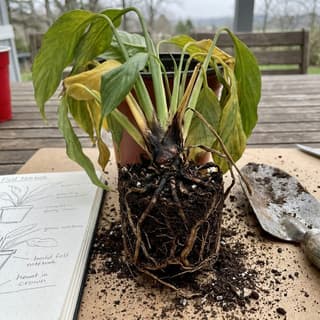
Phytophthora Root Rot
Disease caused by fungus-like organisms (oomycetes) that live in soil and can survive for years. It affects roots, stem, and crown of plants, being especially severe in waterlogged or poorly drained soils. It is the second most common cause of root rot in trees and shrubs.
✓ Related symptoms:
- • Leaf wilting despite moist soil
⚡ Quick Fixes:
Expose plant base by removing soil to main roots

Root Rot
Root rot is a serious fungal disease that affects the root system of plants, causing them to decay and die. It is primarily caused by overwatering, poor drainage, or soil-borne fungi such as Pythium, Phytophthora, Rhizoctonia, and Fusarium. The disease thrives in waterlogged conditions where roots are deprived of oxygen, making them susceptible to fungal infection.
✓ Related symptoms:
- • Wilting leaves despite moist soil
⚡ Quick Fixes:
Emergency unpotting
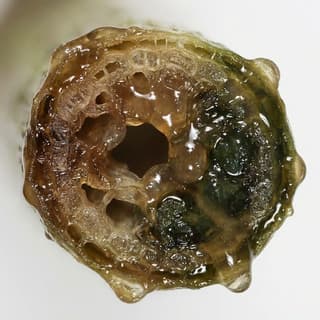
Bacterial Soft Rot
Bacterial soft rot is a destructive plant disease caused primarily by bacteria from the genera Pectobacterium (formerly Erwinia) and Dickeya. These bacteria produce enzymes that break down plant cell walls, causing rapid and foul-smelling tissue decomposition. It mainly affects succulent tissues such as tubers, fruits, stems, and bulbs, being especially problematic in warm and humid conditions.
✓ Related symptoms:
- • Rapid wilting of plant parts
⚡ Quick Fixes:
Immediate Action - Isolation
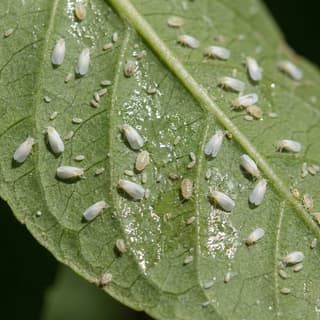
Whiteflies
Whiteflies are small, soft-bodied, winged insects closely related to aphids and mealybugs. They are moth-like in appearance, about 1/16 inch long, triangular in shape, and gray-white in color. These sap-sucking pests feed on plant tissue, causing yellowing, stunted growth, and wilting. They also excrete honeydew, which attracts ants and promotes sooty mold growth. Whiteflies can transmit serious plant viruses.
✓ Related symptoms:
- • Yellowing, wilting, and stunted growth of leaves
⚡ Quick Fixes:
Step 1
Mealybugs
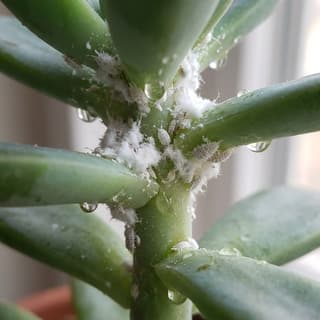
Mealybugs are small, soft-bodied insects covered with a white, waxy, cottony material. They are common pests of houseplants and outdoor plants in mild climates. These sap-sucking insects feed on plant tissue, causing damage, stunted growth, and can lead to plant death if left untreated. They produce sticky honeydew which attracts sooty mold.
✓ Related symptoms:
- • Yellowing or wilting leaves
⚡ Quick Fixes:
Step 1
Crown Rot
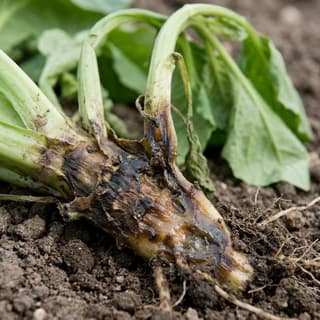
Crown rot is a serious fungal disease that attacks the crown (base) of the plant where the stem meets the soil. It is caused by various fungal pathogens including Phytophthora, Fusarium, and Rhizoctonia. The disease thrives in waterlogged conditions and can quickly spread to kill the entire plant if not addressed promptly.
✓ Related symptoms:
- • Wilting leaves, especially during midday heat
⚡ Quick Fixes:
Immediate unpotting
Pythium Root Rot
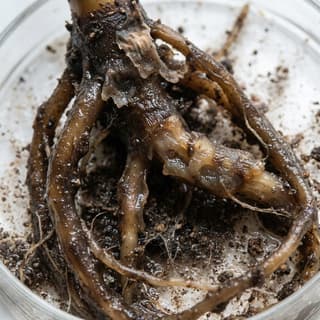
Pythium root rot is a serious fungal disease caused by various Pythium species including P. aphanidermatum, P. ultimum, and P. irregulare. These water molds are present in practically all cultivated soils and attack plant roots under wet conditions, causing rapid wet rot that can extend into the stem. The disease is favored by poor drainage, overwatering, and specific temperatures depending on the species.
✓ Related symptoms:
- • Wilting during the day with recovery at night
⚡ Quick Fixes:
Step 1