Cucurbitaceae
Zucchini (Cucurbita pepo): Complete Growing Guide
Cucurbita pepo
Plant in full sun with rich, well-draining soil. Water regularly keeping the soil moist but not waterlogged. Fertilize every 2 weeks for abundant production. Very easy to grow and ideal for beginner gardeners.
Every 4 days
Direct sun
18° - 35°C
30% - 50%
Categories
What is Zucchini?
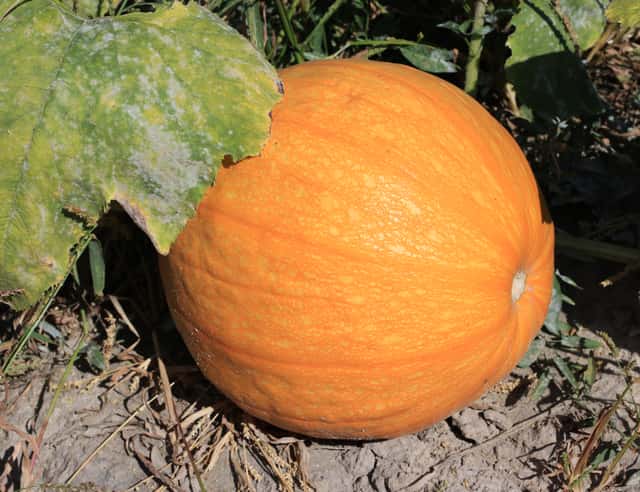
Zucchini (Cucurbita pepo) is a easy-care plant from the Cucurbitaceae family. Cucurbita pepo is a highly versatile species of the Cucurbitaceae family, native to Mesoamerica, encompassing many popular cultivars including zucchini, pumpkin, acorn squash, spaghetti squash, and ornamental gourds. It is a fast-growing annual cultivated worldwide for food and decoration.
Zucchini grows up to 76cm, spread of 500cm, watering every 4 days, 18°C – 35°C, 30–50% humidity. It is not suitable for indoor environments and safe for pets.
Unlike many tropical plants, Zucchini tolerates watering mistakes. Best for beginners. Unlike many popular species, Zucchini is safe to keep around pets.
How to Care for Zucchini?
TLDR: Zucchini needs Direct sun, watering every 4 days, and temperatures between 18-35°C with 30-50% humidity.
How Often Should You Water Zucchini?
Water deeply every 3-5 days at the base of the plant. Avoid wetting the foliage to prevent fungal diseases like powdery mildew. Soil should be moist but never waterlogged.
How Much Light Does Zucchini Need?
Requires full sun with at least 6-8 hours of direct sunlight per day. Essential for flowering and fruit production.
What Is the Best Soil for Zucchini?
Use fertile, rich organic, well-draining soil with pH between 6.0 and 6.8. Amend with compost before planting for best results.
What Pot Should You Use for Zucchini?
Large garden bed or container (minimum 16 inches diameter and depth). Trellis or support for vining varieties.
Care Schedule
Fertilize
Every 14 days
What Is Zucchini and Where Does It Come From?
Cucurbita pepo is a highly versatile species of the Cucurbitaceae family, native to Mesoamerica, encompassing many popular cultivars including zucchini, pumpkin, acorn squash, spaghetti squash, and ornamental gourds. It is a fast-growing annual cultivated worldwide for food and decoration.
How to Propagate Zucchini?
Seed Propagation
Plant after last frost when soil reaches 65°F (18°C). Seeds can be started indoors 3-4 weeks before the last frost date.
- 1 Choose a sunny spot with prepared soil
- 2 Plant seeds 1 inch deep
- 3 Keep soil moist during germination
- 4 Thin seedlings when they have 2 true leaves, keeping the strongest
Materials needed:
How Big Does Zucchini Grow?
TLDR: Zucchini can reach up to 76cm tall with Fast growth rate.
Max height
76cm
Spread
5.0m
Growth rate
Fast
Foliage
Deciduous
Plant Uses
Edible
Can be consumed
Culinary Uses
- Zucchini stir-fry
- Pumpkin pie
- Pumpkin soup
- Roasted squash
- Stuffed zucchini flowers
- Toasted pumpkin seeds
- Spaghetti squash pasta
Is your plant showing symptoms?
Click on the symptom to discover possible causes:
What Diseases Commonly Affect Zucchini?
TLDR: Zucchini is susceptible to 6 known diseases. Monitor regularly for early detection.
Powdery Mildew
Powdery mildew is a common fungal disease caused by various fungi species including Erysiphe, Podosphaera, Oïdium, and Leveillula. It affects over 10,000 plant species worldwide. The disease thrives in warm, dry climates with high humidity and appears as a distinctive white powdery coating on plant surfaces.
Downy Mildew
Downy mildew is a fungal-like disease caused by oomycetes (water molds) that thrives in cool, wet conditions. It affects a wide range of plants, causing yellowing leaves with fuzzy white-gray growth underneath, leading to defoliation and reduced yields if left untreated.
Bacterial Wilt
Bacterial wilt is a fatal vascular disease caused by bacteria (Erwinia tracheiphila, Ralstonia solanacearum, Xanthomonas spp.) that infects the water-conducting tissue of plants. The bacteria multiply and block the flow of water and nutrients, causing rapid wilting and plant death within 1-2 weeks.
Root Rot
Root rot is a serious fungal disease that affects the root system of plants, causing them to decay and die. It is primarily caused by overwatering, poor drainage, or soil-borne fungi such as Pythium, Phytophthora, Rhizoctonia, and Fusarium. The disease thrives in waterlogged conditions where roots are deprived of oxygen, making them susceptible to fungal infection.
Meaning & Symbolism
Symbol of abundance, fertility, and harvest. Widely associated with autumn celebrations and Halloween.
Fun Facts
Cucurbita pepo originated in Mesoamerica and has been cultivated for over 10,000 years
A single zucchini plant can produce dozens of fruits in one season
Zucchini flowers are edible and widely used in Italian and Mexican cuisines
The word "zucchini" comes from Italian, the diminutive of "zucca" meaning gourd
Frequently asked questions
How often should I water zucchini?
How much sun does zucchini need?
When should I harvest zucchini?
Can zucchini be grown in a container?
Why are my zucchini flowers falling off without producing fruit?
Compare with similar plants
| Attribute | Difficulty | Light | Watering | Pet Safe |
|---|---|---|---|---|
| Field Maple | Easy | Bright indirect | 14d | ✓ |
| Silver Birch | Easy | Direct sun | 14d | ✓ |
| Cushion Bush | Easy | Direct sun | 14d | ✓ |
| Peruvian peppertree | Easy | Direct sun | 14d | ⚠️ |





