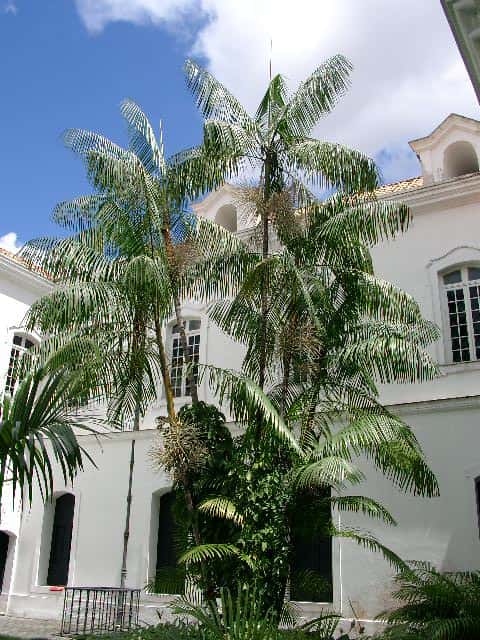
Arecaceae
Açaí Palm: Edible Plant
Euterpe oleracea
Thrives in warm, humid, tropical conditions with consistently moist, well-drained soil. Young plants prefer light shade, while mature palms tolerate full sun given adequate humidity. Frost-sensitive and unsuited to cold climates.
Every 4 days
Bright indirect
16° - 32°C
60% - 90%
Categories
What is Açaí Palm?
Açaí Palm (Euterpe oleracea) is a medium-care plant from the Arecaceae family. The açaí palm is a clustering, multi-stemmed palm native to the seasonally flooded várzea floodplains of the Amazon basin. Its slender, elegant stems can reach 15 to 25 meters tall and are topped with arching, pinnate fronds about a meter long. Clusters of hundreds of small, globose fruits ripen fro...
Açaí Palm grows up to 25.0m, spread of 500cm, watering every 4 days, 16°C – 32°C, 60–90% humidity. It is suitable for indoor environments and safe for pets.
Unlike many popular species, Açaí Palm is safe to keep around pets. Without adequate drainage, root rot can develop within 8 days.
How to Care for Açaí Palm?
TLDR: Açaí Palm needs Bright indirect, watering every 4 days, and temperatures between 16-32°C with 60-90% humidity.
How Often Should You Water Açaí Palm?
Keep the soil consistently moist, watering as soon as the top inch begins to dry; avoid letting a potted plant sit in stagnant water for long periods, though the species naturally tolerates seasonal flooding in the wild.
How Much Light Does Açaí Palm Need?
Start young plants in bright, indirect light or partial shade, gradually increasing sun exposure as they mature; adult palms do best in full sun as long as humidity stays high.
What Is the Best Soil for Açaí Palm?
Plant in a rich, organic, well-draining soil with a slightly acidic pH between 5.0 and 6.5, similar to the fertile floodplain soils of its native Amazon habitat.
What Pot Should You Use for Açaí Palm?
Choose a large, deep container in a material that helps retain some moisture (glazed ceramic or plastic), always with generous drainage holes.
Care Schedule
Fertilize
Every 90 days
Repot
Every 365 days
What Is Açaí Palm and Where Does It Come From?
The açaí palm is a clustering, multi-stemmed palm native to the seasonally flooded várzea floodplains of the Amazon basin. Its slender, elegant stems can reach 15 to 25 meters tall and are topped with arching, pinnate fronds about a meter long. Clusters of hundreds of small, globose fruits ripen from green to deep purple-black, yielding the antioxidant-rich açaí pulp that has become famous worldwide.
How Big Does Açaí Palm Grow?
TLDR: Açaí Palm can reach up to 25.0m tall with Fast growth rate.
Max height
25.0m
Spread
5.0m
Growth rate
Fast
Foliage
Evergreen
Plant Uses
Edible
Can be consumed
Ornamental
Great for decoration
Medicinal
Medicinal properties
Medicinal Uses
- Traditionally used for hemorrhages
- Traditionally used to reduce fevers
- Traditionally used to treat wounds
- Traditionally used against diarrhea
- Traditionally used for jaundice
Culinary Uses
- Fruit pulp eaten fresh or frozen, in juices, açaí bowls, sorbets and porridge
- Heart of palm (palmito) harvested from the stem as a vegetable
- Oil pressed from the seeds
Is your plant showing symptoms?
Click on the symptom to discover possible causes:
What Diseases Commonly Affect Açaí Palm?
TLDR: Açaí Palm is susceptible to 11 known diseases. Monitor regularly for early detection.
Root Rot
Root rot is a serious fungal disease that affects the root system of plants, causing them to decay and die. It is primarily caused by overwatering, poor drainage, or soil-borne fungi such as Pythium, Phytophthora, Rhizoctonia, and Fusarium. The disease thrives in waterlogged conditions where roots are deprived of oxygen, making them susceptible to fungal infection.
Overwatering
Overwatering occurs when plants receive too much water, depriving roots of oxygen and causing root rot. This environmental stress is one of the most common causes of houseplant death, as waterlogged soil prevents roots from breathing and functioning properly.
Potassium Deficiency
Potassium deficiency is a nutritional disorder that affects a plant's ability to regulate stomatal opening and closing, resulting in characteristic leaf edge burn. Potassium is a mobile nutrient, so symptoms first appear on older, lower leaves.
Magnesium Deficiency
Magnesium deficiency is a nutrient disorder characterized by interveinal chlorosis, where leaf tissue between veins turns yellow while the veins remain green. This deficiency affects older leaves first as magnesium is a mobile nutrient that plants relocate to support new growth. Magnesium is essential for chlorophyll production and photosynthesis, making this deficiency critical for plant health.
Meaning & Symbolism
The açaí palm is an emblem of Amazonian identity, often called the region's black gold for its central role in the livelihood, diet, and culture of riverine communities.
Compare with similar plants
| Attribute | Difficulty | Light | Watering | Pet Safe |
|---|---|---|---|---|
| Dark Fieldcap | Medium | Low light | 2d | ⚠️ |
| Azalea | Medium | Partial shade | 3d | ⚠️ |
| Muriel's Bamboo | Medium | Partial shade | 3d | ✓ |
| Bougainvillea | Medium | Direct sun | 7d | ⚠️ |




