Ranunculaceae
Monkshood: Medicinal Uses & Care Tips
Aconitum napellus
Monkshood thrives in partial shade with consistently moist, fertile, well-draining soil enriched with organic matter. It is a cold-hardy perennial suited to USDA zones 3–8 and performs best in cool climates where summer temperatures remain below 24°C. Minimal maintenance is required: feed annually in spring, and cut stalks back to ground level in autumn after frost.
Every 5 days
Partial shade
-20° - 24°C
40% - 70%
Categories
What is Monkshood?
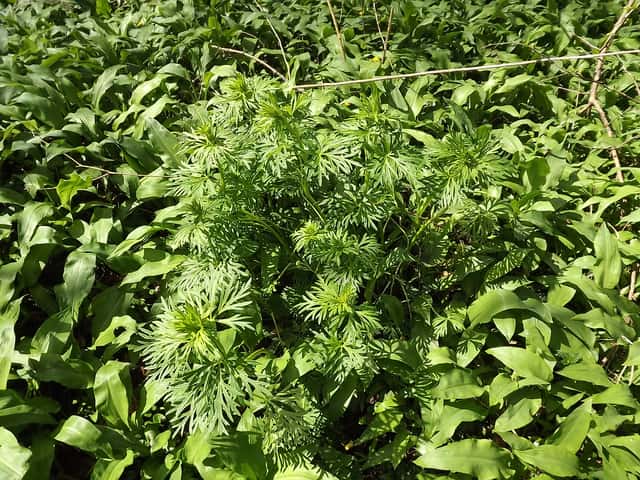
Monkshood (Aconitum napellus) is a hard-care plant from the Ranunculaceae family. Aconitum napellus is a perennial herbaceous plant native to western and central Europe, growing to 90–150 cm tall with erect stems and deeply palmate lobed leaves. It bears distinctive helmet-shaped flowers in deep blue-violet to purple hues on tall terminal spikes in mid to late summer. All parts o...
Monkshood grows up to 1.5m, spread of 50cm, watering every 5 days, -20°C – 24°C, 40–70% humidity. It is not suitable for indoor environments and not safe for pets.
Unlike easy-care plants, Monkshood demands constant attention to humidity and light. Not recommended for beginners. Without precautions, ingestion can cause irritation in pets. Keep out of reach of cats and dogs.
How to Care for Monkshood?
TLDR: Monkshood needs Partial shade, watering every 5 days, and temperatures between -20-24°C with 40-70% humidity.
How Often Should You Water Monkshood?
Keep the soil consistently moist throughout the growing season, providing at least 2.5 cm (1 inch) of water per week — increase frequency during hot dry spells but never allow roots to sit in waterlogged soil. Reduce watering significantly during winter dormancy.
How Much Light Does Monkshood Need?
Partial shade is ideal, making it excellent for dappled woodland borders or north-facing beds; it tolerates full sun in cooler climates provided the soil remains consistently moist. Avoid prolonged exposure to intense midday sun in warm or arid regions.
What Is the Best Soil for Monkshood?
Plant in deep, fertile, humus-rich, well-draining soil with a pH of 5.5–7.5; amend with generous compost and leaf mould before planting. Tolerates loamy, sandy, and heavy clay soils as long as drainage is adequate.
What Pot Should You Use for Monkshood?
Monkshood is strongly recommended for outdoor garden beds only and is not suitable for indoor pot culture. If container growing is necessary outdoors, use a large deep container (minimum 40 cm depth) in terracotta or ceramic to accommodate the tuberous root system, ensuring adequate drainage holes.
Care Schedule
Fertilize
Every 365 days
What Is Monkshood and Where Does It Come From?
Aconitum napellus is a perennial herbaceous plant native to western and central Europe, growing to 90–150 cm tall with erect stems and deeply palmate lobed leaves. It bears distinctive helmet-shaped flowers in deep blue-violet to purple hues on tall terminal spikes in mid to late summer. All parts of the plant contain highly potent alkaloids — primarily aconitine — making it one of the most poisonous plants in Europe; extreme caution is required in handling.
How to Propagate Monkshood?
How Big Does Monkshood Grow?
TLDR: Monkshood can reach up to 1.5m tall with Slow growth rate.
Max height
1.5m
Spread
50cm
Growth rate
Slow
Foliage
Deciduous
Warning: Toxic Plant
This plant can be toxic if ingested. Keep out of reach of:
Plant Uses
Ornamental
Great for decoration
Medicinal
Medicinal properties
Medicinal Uses
- Traditional analgesic and antipyretic (historical topical preparations only)
- Historical treatment of neuralgia, rheumatism, and musculoskeletal pain
- Homeopathic use for acute anxiety, fear, panic, and insomnia
- Historical treatment of fevers associated with colds and respiratory illness
- NOTE: All internal medicinal use is strictly contraindicated due to extreme toxicity
Is your plant showing symptoms?
Click on the symptom to discover possible causes:
What Diseases Commonly Affect Monkshood?
TLDR: Monkshood is susceptible to 9 known diseases. Monitor regularly for early detection.
Powdery Mildew
Powdery mildew is a common fungal disease caused by various fungi species including Erysiphe, Podosphaera, Oïdium, and Leveillula. It affects over 10,000 plant species worldwide. The disease thrives in warm, dry climates with high humidity and appears as a distinctive white powdery coating on plant surfaces.
Crown Rot
Crown rot is a serious fungal disease that attacks the crown (base) of the plant where the stem meets the soil. It is caused by various fungal pathogens including Phytophthora, Fusarium, and Rhizoctonia. The disease thrives in waterlogged conditions and can quickly spread to kill the entire plant if not addressed promptly.
Root Rot
Root rot is a serious fungal disease that affects the root system of plants, causing them to decay and die. It is primarily caused by overwatering, poor drainage, or soil-borne fungi such as Pythium, Phytophthora, Rhizoctonia, and Fusarium. The disease thrives in waterlogged conditions where roots are deprived of oxygen, making them susceptible to fungal infection.
Verticillium Wilt
Verticillium wilt is a soil-borne fungal disease caused primarily by the fungi Verticillium dahliae and V. albo-atrum. These pathogens infect plant roots and grow within the vascular tissues, blocking water and nutrient transport, resulting in wilting and eventual plant death. The disease affects over 350 plant species including vegetables, fruits, ornamental flowers, and trees. The fungi can survive in soil for more than 10 years as resistant structures called microsclerotia.
Meaning & Symbolism
Aconite has long symbolised caution, protection from evil, and the duality of beauty concealing deadly danger — historically associated with witchcraft lore, medieval poison craft, and the myth of Cerberus's saliva.
Compare with similar plants
| Attribute | Difficulty | Light | Watering | Pet Safe |
|---|---|---|---|---|
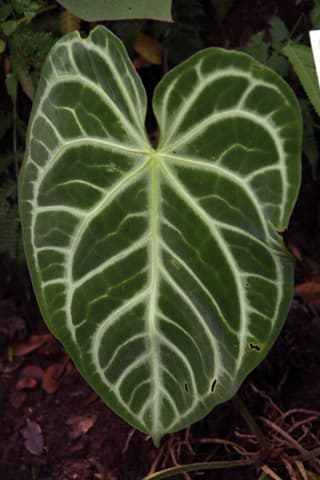
| Crystal Anthurium | Hard | Partial shade | 7d | ⚠️ |
| Delicate violet orchid | Hard | Bright indirect | 2d | ✓ |
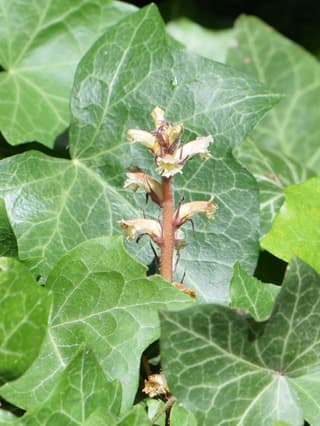
| Ivy Broomrape | Hard | Low light | 2d | ✓ |
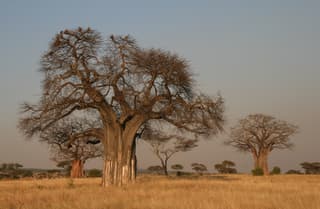
| Baobab | Hard | Direct sun | 14d | ✓ |