Orchidaceae
Delicate Violet Orchid (Ionopsis utricularioides)
Ionopsis utricularioides
A miniature, twig-epiphyte orchid for bright, humid, airy conditions. It grows mounted or in a tiny pot of fine bark, needs frequent light watering with fast drying, and rewards good humidity with long-lasting clouds of bloom.
Every 2 days
Bright indirect
16° - 27°C
80% - 90%
Categories
What is Delicate violet orchid?
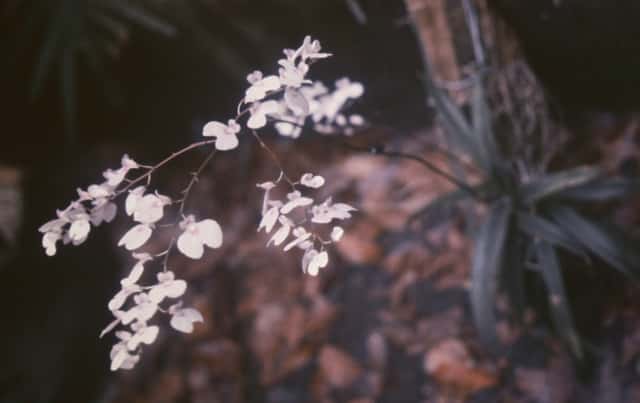
Delicate violet orchid (Ionopsis utricularioides) is a hard-care plant from the Orchidaceae family. Ionopsis utricularioides is a small epiphytic orchid native to the Neotropics, from Florida and the Caribbean through Central and South America. It forms compact fans of stiff leaves and sends up airy, branched sprays of many small white-to-violet flowers, each with a broad, veined lower lip.
Delicate violet orchid grows up to 30cm, spread of 40cm, watering every 2 days, 16°C – 27°C, 80–90% humidity. It is suitable for indoor environments and safe for pets.
Unlike easy-care plants, Delicate violet orchid demands constant attention to humidity and light. Not recommended for beginners. Unlike many popular species, Delicate violet orchid is safe to keep around pets. Without adequate drainage, root rot can develop within 7 days.
How to Care for Delicate violet orchid?
TLDR: Delicate violet orchid needs Bright indirect, watering every 2 days, and temperatures between 16-27°C with 80-90% humidity.
How Often Should You Water Delicate violet orchid?
Water frequently but lightly, letting the roots approach dryness between waterings; this epiphyte must never stay soggy. Increase frequency in warm, bright weather and reduce in cool spells.
How Much Light Does Delicate violet orchid Need?
Provide bright, indirect light — similar to a Cattleya. Strong filtered light encourages flowering, but avoid harsh midday sun that scorches the thin leaves.
What Is the Best Soil for Delicate violet orchid?
Not grown in soil: it is an epiphyte. Mount on cork or a twig, or use a very small pot of fine bark or sphagnum that drains and dries quickly.
What Pot Should You Use for Delicate violet orchid?
Best mounted on a cork or hardwood slab, or in a tiny net/clay pot of fine, fast-draining bark; large pots stay wet and cause rot.
Care Schedule
Fertilize
Every 14 days
Misting
Every 1 days
Rotate
Every 7 days
Repot
Every 730 days
What Is Delicate violet orchid and Where Does It Come From?
Ionopsis utricularioides is a small epiphytic orchid native to the Neotropics, from Florida and the Caribbean through Central and South America. It forms compact fans of stiff leaves and sends up airy, branched sprays of many small white-to-violet flowers, each with a broad, veined lower lip.
How to Propagate Delicate violet orchid?
How Big Does Delicate violet orchid Grow?
TLDR: Delicate violet orchid can reach up to 30cm tall with Slow growth rate.
Max height
30cm
Spread
40cm
Growth rate
Slow
Foliage
Evergreen
Plant Uses
Ornamental
Great for decoration
Is your plant showing symptoms?
Click on the symptom to discover possible causes:
What Diseases Commonly Affect Delicate violet orchid?
TLDR: Delicate violet orchid is susceptible to 5 known diseases. Monitor regularly for early detection.
Root Rot
Root rot is a serious fungal disease that affects the root system of plants, causing them to decay and die. It is primarily caused by overwatering, poor drainage, or soil-borne fungi such as Pythium, Phytophthora, Rhizoctonia, and Fusarium. The disease thrives in waterlogged conditions where roots are deprived of oxygen, making them susceptible to fungal infection.
Bacterial Soft Rot
Bacterial soft rot is a destructive plant disease caused primarily by bacteria from the genera Pectobacterium (formerly Erwinia) and Dickeya. These bacteria produce enzymes that break down plant cell walls, causing rapid and foul-smelling tissue decomposition. It mainly affects succulent tissues such as tubers, fruits, stems, and bulbs, being especially problematic in warm and humid conditions.
Scale Insects
Scale insects are small sap-sucking pests that appear as brown, shell-like bumps on plant stems and leaves. There are over 25 species, divided into armored (hard) and unarmored (soft) scales. They feed by piercing plant tissue and extracting sap, which weakens the plant and can lead to yellowing, stunted growth, and even death if left untreated. They also excrete honeydew, which attracts ants and promotes sooty mold growth.
Mealybugs
Mealybugs are small, soft-bodied insects covered with a white, waxy, cottony material. They are common pests of houseplants and outdoor plants in mild climates. These sap-sucking insects feed on plant tissue, causing damage, stunted growth, and can lead to plant death if left untreated. They produce sticky honeydew which attracts sooty mold.
Meaning & Symbolism
Delicacy and fleeting beauty — a reminder that small things can be dazzling.
Fun Facts
Despite its tiny size, a single healthy plant can carry hundreds of flowers in one airy spray.
It is a twig epiphyte, naturally colonising thin outer branches where light and air are plentiful.
Frequently asked questions
Should I mount or pot Ionopsis?
Why is my Ionopsis declining?
Compare with similar plants
| Attribute | Difficulty | Light | Watering | Pet Safe |
|---|---|---|---|---|
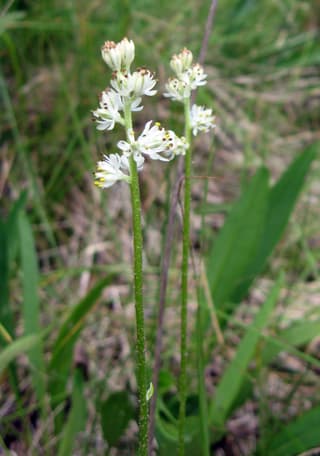
| Sticky false asphodel | Hard | Bright indirect | 1d | ✓ |
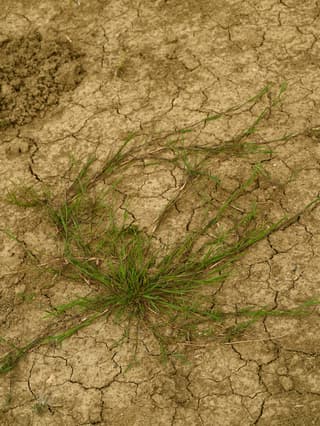
| Creeping bentgrass | Hard | Direct sun | 3d | ✓ |
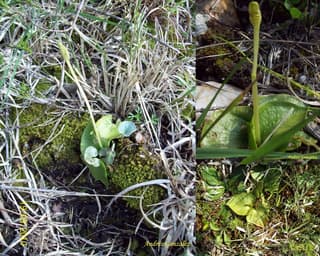
| Bulbous Adder's-tongue | Hard | Partial shade | 4d | ✓ |
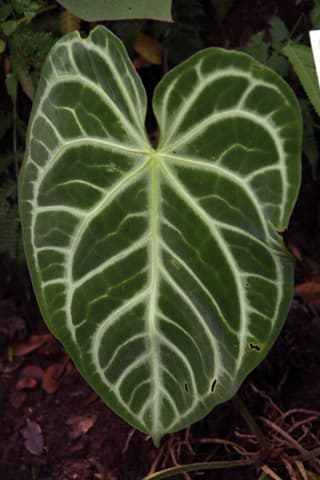
| Crystal Anthurium | Hard | Partial shade | 7d | ⚠️ |