Araceae
Alocasia baginda Dragon Scale
Alocasia baginda
Dragon Scale Alocasia thrives in bright indirect light with high humidity (60–80%) and well-draining aroid soil. Water when the top inch of soil is dry, typically every 7 days. Fertilize monthly during the growing season. Keep away from cold drafts and temperatures below 16°C.
Every 7 days
Bright indirect
16° - 27°C
60% - 80%
Categories
What is Dragon Scale Alocasia?
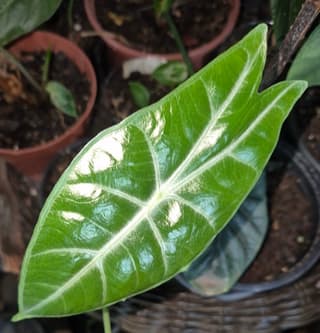
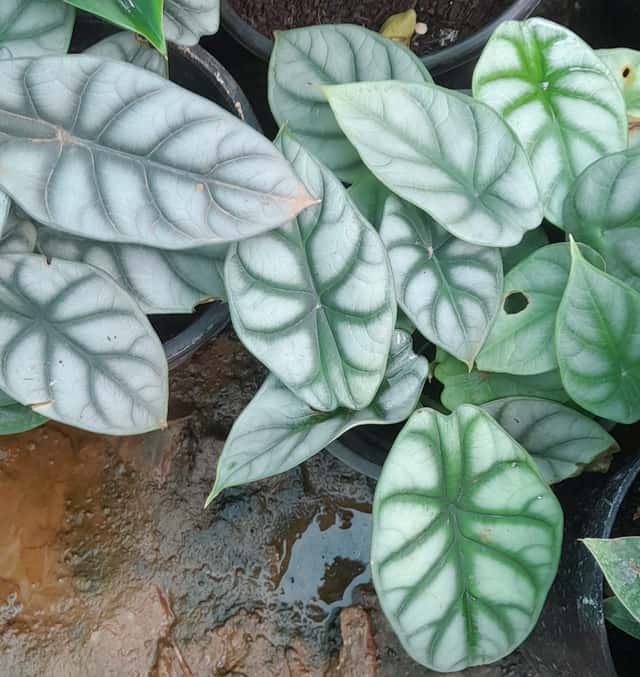
Dragon Scale Alocasia (Alocasia baginda) is a hard-care plant from the Araceae family. Alocasia baginda, commonly known as Dragon Scale, is a striking tropical houseplant native to the rainforests of Borneo. Its large, silver-green leaves feature a deeply textured, scale-like surface that mimics dragon skin, with dark green veins creating a dramatic contrast. Each leaf is thick and le...
Dragon Scale Alocasia grows up to 90cm, spread of 60cm, watering every 7 days, 16°C – 27°C, 60–80% humidity. It is suitable for indoor environments and not safe for pets.
Unlike easy-care plants, Dragon Scale Alocasia demands constant attention to humidity and light. Not recommended for beginners. Without precautions, ingestion can cause irritation in pets. Keep out of reach of cats and dogs. Without adequate drainage, root rot can develop within 14 days.
How to Care for Dragon Scale Alocasia?
TLDR: Dragon Scale Alocasia needs Bright indirect, watering every 7 days, and temperatures between 16-27°C with 60-80% humidity.
How Often Should You Water Dragon Scale Alocasia?
Water thoroughly when the top 1–2 cm of soil feel dry, roughly every 7 days in the growing season. Reduce frequency in winter. Always ensure the pot drains well—Dragon Scale is highly susceptible to root rot if left in soggy soil.
How Much Light Does Dragon Scale Alocasia Need?
Place in bright, indirect light such as near an east or north-facing window. Avoid direct sunlight, which scorches the distinctive scaled leaves. A minimum of 5,000 lux is needed; aim for 10,000–20,000 lux for optimal growth.
What Is the Best Soil for Dragon Scale Alocasia?
Use a chunky, well-draining aroid mix: equal parts peat moss or coco coir, perlite, and orchid bark. A slightly acidic pH of 5.5–6.5 is ideal. Avoid dense, compacted soils that retain too much moisture.
What Pot Should You Use for Dragon Scale Alocasia?
Plastic or glazed ceramic pot with drainage holes to retain moisture without waterlogging. Terracotta dries out too fast for this humidity-loving plant.
Care Schedule
Fertilize
Every 42 days
Misting
Every 3 days
Rotate
Every 7 days
Repot
Every 730 days
What Is Dragon Scale Alocasia and Where Does It Come From?
Alocasia baginda, commonly known as Dragon Scale, is a striking tropical houseplant native to the rainforests of Borneo. Its large, silver-green leaves feature a deeply textured, scale-like surface that mimics dragon skin, with dark green veins creating a dramatic contrast. Each leaf is thick and leathery, making it one of the most visually impressive aroids available to collectors.
How Big Does Dragon Scale Alocasia Grow?
TLDR: Dragon Scale Alocasia can reach up to 90cm tall with Slow growth rate.
Max height
90cm
Spread
60cm
Growth rate
Slow
Foliage
Evergreen
Warning: Toxic Plant
This plant can be toxic if ingested. Keep out of reach of:
Plant Uses
Ornamental
Great for decoration
Is your plant showing symptoms?
Click on the symptom to discover possible causes:
What Diseases Commonly Affect Dragon Scale Alocasia?
TLDR: Dragon Scale Alocasia is susceptible to 8 known diseases. Monitor regularly for early detection.
Root Rot
Root rot is a serious fungal disease that affects the root system of plants, causing them to decay and die. It is primarily caused by overwatering, poor drainage, or soil-borne fungi such as Pythium, Phytophthora, Rhizoctonia, and Fusarium. The disease thrives in waterlogged conditions where roots are deprived of oxygen, making them susceptible to fungal infection.
Spider Mites
Spider mites are tiny arachnids (less than 1/20 inch long) related to spiders and ticks that feed on plant sap. They thrive in hot, dry conditions and can cause significant damage to ornamental and vegetable plants. During severe infestations, crop losses can reach 14% or higher as these pests disrupt vital plant processes including photosynthesis, carbon dioxide absorption, and transpiration.
Low Humidity Stress
Low humidity stress occurs when indoor air becomes too dry, causing plants to lose moisture faster than they can absorb it through their roots. This is especially common during winter heating periods, near radiators and heating vents, or in air-conditioned spaces. Tropical plants are particularly susceptible to low humidity damage.
Overwatering
Overwatering occurs when plants receive too much water, depriving roots of oxygen and causing root rot. This environmental stress is one of the most common causes of houseplant death, as waterlogged soil prevents roots from breathing and functioning properly.
Meaning & Symbolism
In the language of plants, Dragon Scale Alocasia represents exotic beauty, resilience, and the untamed power of tropical nature.
Fun Facts
The Dragon Scale nickname comes from the deeply embossed texture of its leaves, which closely resemble the scales of a mythical dragon.
Native to the tropical rainforests of Borneo, Alocasia baginda grows as an understory plant shaded by towering canopy trees.
Each leaf grows individually from the central rhizome—there are never two new leaves emerging at the same time.
Dragon Scale is sometimes called a unicorn plant in the aroid collector community because of how rare and sought-after it once was.
Frequently asked questions
How often should I water Dragon Scale Alocasia?
Why are my Dragon Scale leaves turning yellow?
Is Dragon Scale Alocasia toxic to pets?
What humidity does Dragon Scale Alocasia need?
Compare with similar plants
| Attribute | Difficulty | Light | Watering | Pet Safe |
|---|---|---|---|---|
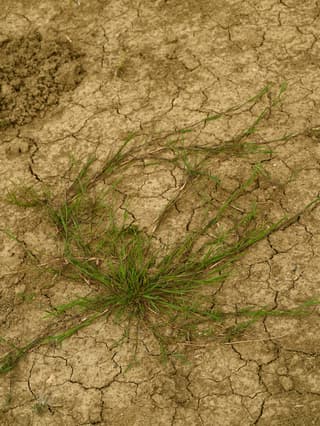
| Creeping bentgrass | Hard | Direct sun | 3d | ✓ |
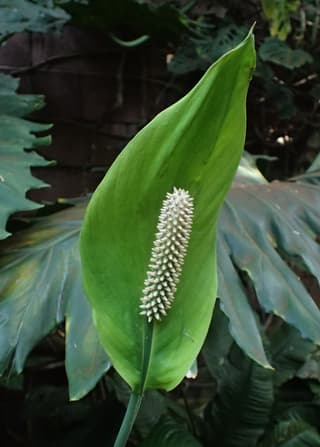
| Peace Lily | Easy | Low light | 7d | ⚠️ |
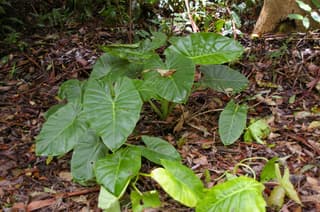
| Cunjevoi | Medium | Bright indirect | 8d | ⚠️ |
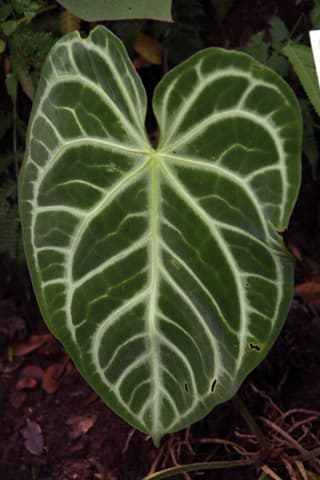
| Crystal Anthurium | Hard | Partial shade | 7d | ⚠️ |