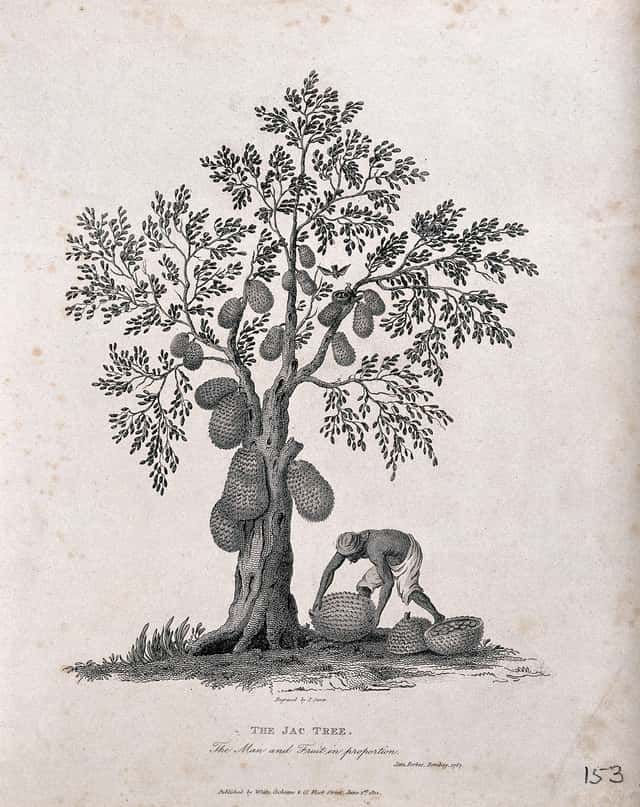
Moraceae
Artocarpus: Complete Tropical Tree Care Guide
Artocarpus
A fast-growing tropical tree requiring full sun, deep well-draining soil, and a warm, humid climate. Tolerates short dry spells once established. Best suited for large outdoor spaces in tropical and subtropical regions (USDA zones 10-12). Not suitable for indoor cultivation.
Every 7 days
Direct sun
16° - 38°C
60% - 90%
Categories
What is Breadfruit?
Breadfruit (Artocarpus) is a medium-care plant from the Moraceae family. Artocarpus is a genus of approximately 60 species of tropical trees in the family Moraceae, native to Southeast Asia and the Pacific Islands. The most famous species are jackfruit (A. heterophyllus), which bears the largest fruit of any tree in the world, and breadfruit (A. altilis), a staple food a...
Breadfruit grows up to 25.0m, spread of 1200cm, watering every 7 days, 16°C – 38°C, 60–90% humidity. It is not suitable for indoor environments and safe for pets.
Unlike many popular species, Breadfruit is safe to keep around pets.
How to Care for Breadfruit?
TLDR: Breadfruit needs Direct sun, watering every 7 days, and temperatures between 16-38°C with 60-90% humidity.
How Often Should You Water Breadfruit?
Water deeply every 7 days during the growing season. Reduce watering after fruiting. Once established, jackfruit tolerates 3-4 months of drought — allow the soil to dry slightly between waterings but avoid prolonged waterlogging.
How Much Light Does Breadfruit Need?
Requires full sun to produce quality fruit. Young plants tolerate partial shade, but mature trees need at least 6 hours of direct sunlight daily for vigorous growth and fruiting.
What Is the Best Soil for Breadfruit?
Prefers deep, fertile, well-draining soil. Adapts to sandy, loamy, and clay soils provided drainage is adequate. Ideal pH range 5.5-7.5. Avoid waterlogged conditions, which promote root rot.
What Pot Should You Use for Breadfruit?
Not suitable as a houseplant — requires ample outdoor space. In cooler climates, can be grown temporarily in large containers (minimum 50 liters) with maximum available sunlight.
Care Schedule
Fertilize
Every 90 days
What Is Breadfruit and Where Does It Come From?
Artocarpus is a genus of approximately 60 species of tropical trees in the family Moraceae, native to Southeast Asia and the Pacific Islands. The most famous species are jackfruit (A. heterophyllus), which bears the largest fruit of any tree in the world, and breadfruit (A. altilis), a staple food across the Pacific. All species produce milky latex sap and feature large, ornamental leaves.
How to Propagate Breadfruit?
Seed Propagation
Use only fresh seeds as viability drops quickly after extraction. Keep the substrate moist but not waterlogged.
- 1 Collect fresh seeds from ripe fruit — viability drops rapidly after harvest
- 2 Plant in moist, well-draining medium at 2-3 cm depth
- 3 Keep in a warm location (24-30°C) with bright indirect light
- 4 Germination occurs within 2-8 weeks
- 5 Transplant to a permanent location when seedling reaches 30-50 cm
Materials needed:
Air Layering
Keep the moss consistently moist throughout the process. Best for propagating trees with desirable fruiting traits.
- 1 Select a healthy branch 1-2 cm in diameter
- 2 Remove a 3-5 cm ring of bark
- 3 Apply rooting hormone and wrap with moist sphagnum moss
- 4 Cover with clear plastic and seal both ends
- 5 Cut the branch once roots are visible through the plastic
Materials needed:
How Big Does Breadfruit Grow?
TLDR: Breadfruit can reach up to 25.0m tall with Fast growth rate.
Max height
25.0m
Spread
12.0m
Growth rate
Fast
Foliage
Evergreen
Plant Uses
Edible
Can be consumed
Medicinal
Medicinal properties
Ornamental
Great for decoration
Medicinal Uses
- Latex used in traditional medicine to treat inflammation, wounds, and skin infections
- Leaf tea traditionally used to reduce high blood pressure and manage diabetes
- Roots and bark reported to have anti-inflammatory and antifungal properties
Culinary Uses
- Fruits eaten raw or cooked, at green or ripe stage
- Seeds are protein-rich and consumed boiled or roasted
- Young flowers used in soups and stir-fries across Southeast Asia
- Seed oil used in local cooking traditions
Is your plant showing symptoms?
Click on the symptom to discover possible causes:
What Diseases Commonly Affect Breadfruit?
TLDR: Breadfruit is susceptible to 3 known diseases. Monitor regularly for early detection.
Root Rot
Root rot is a serious fungal disease that affects the root system of plants, causing them to decay and die. It is primarily caused by overwatering, poor drainage, or soil-borne fungi such as Pythium, Phytophthora, Rhizoctonia, and Fusarium. The disease thrives in waterlogged conditions where roots are deprived of oxygen, making them susceptible to fungal infection.
Leaf Spot
Leaf spot is a common fungal disease caused by various pathogens including Alternaria, Ascochyta, Colletotrichum, Septoria, and Venturia. It primarily affects leaves, causing discolored spots that can lead to premature leaf drop if left untreated.
Sooty Mold
Sooty mold is a fungal disease that develops on surfaces coated with honeydew, a sticky sweet substance secreted by sap-sucking insects like aphids, scale insects, and whiteflies. While it does not directly infect plant tissue, it reduces photosynthetic capacity by blocking sunlight and diminishes the plant's aesthetic appearance.
Meaning & Symbolism
A symbol of abundance and generosity across Asian and Pacific cultures, where its nutritious fruits have sustained communities for thousands of years.
Fun Facts
Jackfruit produces the largest fruit of any tree — a single fruit can weigh over 50 kg (110 lbs)
The Artocarpus genus includes about 60 species, most restricted to Southeast Asia
Breadfruit (A. altilis) was famously transported by the HMS Bounty voyage in the 18th century as a food source for Caribbean colonies
All Artocarpus species produce milky latex sap used traditionally as a waterproof sealant and adhesive
Frequently asked questions
What climate does Artocarpus need?
How often should I water an Artocarpus tree?
Can Artocarpus be grown in a pot?
What are the main diseases of Artocarpus?
Is Artocarpus toxic to pets or humans?
Compare with similar plants
| Attribute | Difficulty | Light | Watering | Pet Safe |
|---|---|---|---|---|
| Dark Fieldcap | Medium | Low light | 2d | ⚠️ |
| Azalea | Medium | Partial shade | 3d | ⚠️ |
| Bougainvillea | Medium | Direct sun | 7d | ⚠️ |
| Wild Lettuce | Medium | Direct sun | 7d | ⚠️ |



