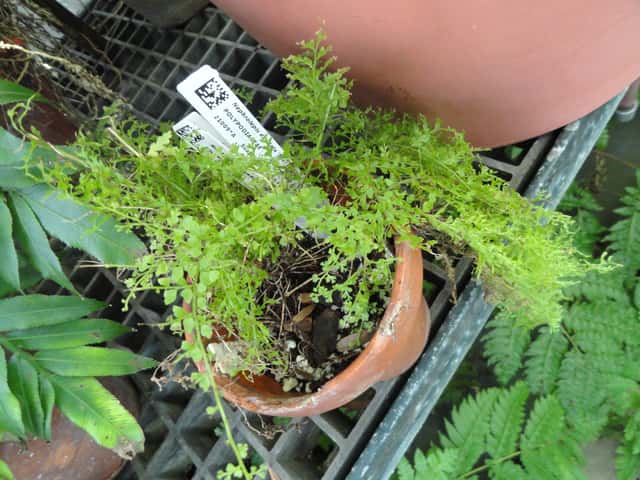
Nephrolepidaceae
Boston Fern: Fast Growing
Nephrolepis exaltata
Boston Ferns thrive in bright, indirect light with high humidity (50-80%). Keep soil consistently moist but not waterlogged, watering 2-3 times per week. Mist regularly and maintain temperatures between 15-24°C. Fertilize every 2-3 weeks during growing season.
Every 3 days
Partial shade
15° - 24°C
50% - 80%
Categories
What is Boston Fern?
Boston Fern (Nephrolepis exaltata) is a medium-care plant from the Nephrolepidaceae family. The Boston Fern is a lush, elegant houseplant known for its gracefully arching fronds and excellent air-purifying qualities. Native to tropical regions of the Americas including Florida, Central America, South America, and the West Indies, this evergreen fern has been a popular indoor plant since Vi...
Boston Fern grows up to 90cm, spread of 90cm, watering every 3 days, 15°C – 24°C, 50–80% humidity. It is suitable for indoor environments and safe for pets.
Unlike many popular species, Boston Fern is safe to keep around pets. Without adequate drainage, root rot can develop within 7 days.
How to Care for Boston Fern?
TLDR: Boston Fern needs Partial shade, watering every 3 days, and temperatures between 15-24°C with 50-80% humidity.
How Often Should You Water Boston Fern?
Water when the top inch of soil feels dry, usually 2-3 times per week. Keep soil consistently moist but never soggy. Reduce watering in winter when growth slows. Use room temperature water to avoid shocking the roots.
How Much Light Does Boston Fern Need?
Prefers bright, indirect light but can tolerate low light conditions. Avoid direct sunlight which can scorch the delicate fronds. East-facing windows or filtered light from south/west windows work best. Insufficient light may cause yellowing leaves.
What Is the Best Soil for Boston Fern?
Use well-draining, rich organic soil with a pH of 5.5-6.5. A peat-based potting mix with added perlite works well. The soil should retain moisture while allowing excess water to drain freely.
What Pot Should You Use for Boston Fern?
Hanging baskets or decorative pots with drainage holes work best. Choose a container 1-2 inches larger than the root ball. Terracotta pots help with moisture regulation but require more frequent watering.
Care Schedule
Fertilize
Every 21 days
Misting
Every 2 days
Repot
Every 365 days
What Is Boston Fern and Where Does It Come From?
The Boston Fern is a lush, elegant houseplant known for its gracefully arching fronds and excellent air-purifying qualities. Native to tropical regions of the Americas including Florida, Central America, South America, and the West Indies, this evergreen fern has been a popular indoor plant since Victorian times. Its feathery, bright green fronds can grow up to 90 cm long, creating a dramatic cascading effect perfect for hanging baskets or elevated displays.
How to Propagate Boston Fern?
Division
Division is best done in spring when the plant is actively growing
- 1 Remove the plant from its pot during spring
- 2 Gently separate the root ball into smaller sections
- 3 Ensure each division has several fronds and healthy roots
- 4 Plant divisions in fresh potting mix
- 5 Keep consistently moist and in indirect light
Materials needed:
Spores
Spore propagation takes several months and requires patience
- 1 Collect mature spores from undersides of fronds
- 2 Sprinkle spores on moist peat-based medium
- 3 Cover with plastic to maintain humidity
- 4 Keep at 21°C in indirect light
- 5 Transplant when small ferns develop
Materials needed:
How Big Does Boston Fern Grow?
TLDR: Boston Fern can reach up to 90cm tall with Fast growth rate.
Max height
90cm
Spread
90cm
Growth rate
Fast
Foliage
Evergreen
Plant Uses
Ornamental
Great for decoration
Air Purifying
Improves air quality
Is your plant showing symptoms?
Click on the symptom to discover possible causes:
What Diseases Commonly Affect Boston Fern?
TLDR: Boston Fern is susceptible to 30 known diseases. Monitor regularly for early detection.
Scale Insects
Scale insects are small sap-sucking pests that appear as brown, shell-like bumps on plant stems and leaves. There are over 25 species, divided into armored (hard) and unarmored (soft) scales. They feed by piercing plant tissue and extracting sap, which weakens the plant and can lead to yellowing, stunted growth, and even death if left untreated. They also excrete honeydew, which attracts ants and promotes sooty mold growth.
Mealybugs
Mealybugs are small, soft-bodied insects covered with a white, waxy, cottony material. They are common pests of houseplants and outdoor plants in mild climates. These sap-sucking insects feed on plant tissue, causing damage, stunted growth, and can lead to plant death if left untreated. They produce sticky honeydew which attracts sooty mold.
Low Humidity Stress
Low humidity stress occurs when indoor air becomes too dry, causing plants to lose moisture faster than they can absorb it through their roots. This is especially common during winter heating periods, near radiators and heating vents, or in air-conditioned spaces. Tropical plants are particularly susceptible to low humidity damage.
Root Rot
Root rot is a serious fungal disease that affects the root system of plants, causing them to decay and die. It is primarily caused by overwatering, poor drainage, or soil-borne fungi such as Pythium, Phytophthora, Rhizoctonia, and Fusarium. The disease thrives in waterlogged conditions where roots are deprived of oxygen, making them susceptible to fungal infection.
Meaning & Symbolism
Sincerity, shelter, and fascination. The Boston Fern symbolizes new beginnings and is associated with Victorian elegance and refinement.
Compare with similar plants
| Attribute | Difficulty | Light | Watering | Pet Safe |
|---|---|---|---|---|
| Dark Fieldcap | Medium | Low light | 2d | ⚠️ |
| Azalea | Medium | Partial shade | 3d | ⚠️ |
| Muriel's Bamboo | Medium | Partial shade | 3d | ✓ |
| Bougainvillea | Medium | Direct sun | 7d | ⚠️ |




