Saxifragaceae
Japanese Astilbe (Astilbe japonica)
Astilbe japonica
Japanese Astilbe is an easy-care shade perennial that rewards consistent moisture and rich soil with spectacular feathery blooms. Water regularly to keep soil evenly moist, fertilise in early spring with a balanced slow-release fertiliser, and divide clumps every 3–4 years to maintain vigour. Mulch around the base to retain moisture and regulate soil temperature. Remove spent flower spikes after bloom to keep the plant tidy, though dried plumes can be left for winter interest.
Every 7 days
Low light
4° - 21°C
50% - 70%
Categories
What is Japanese Astilbe?
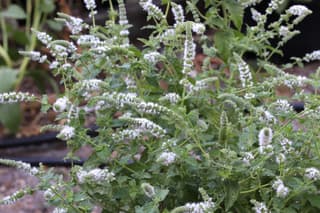
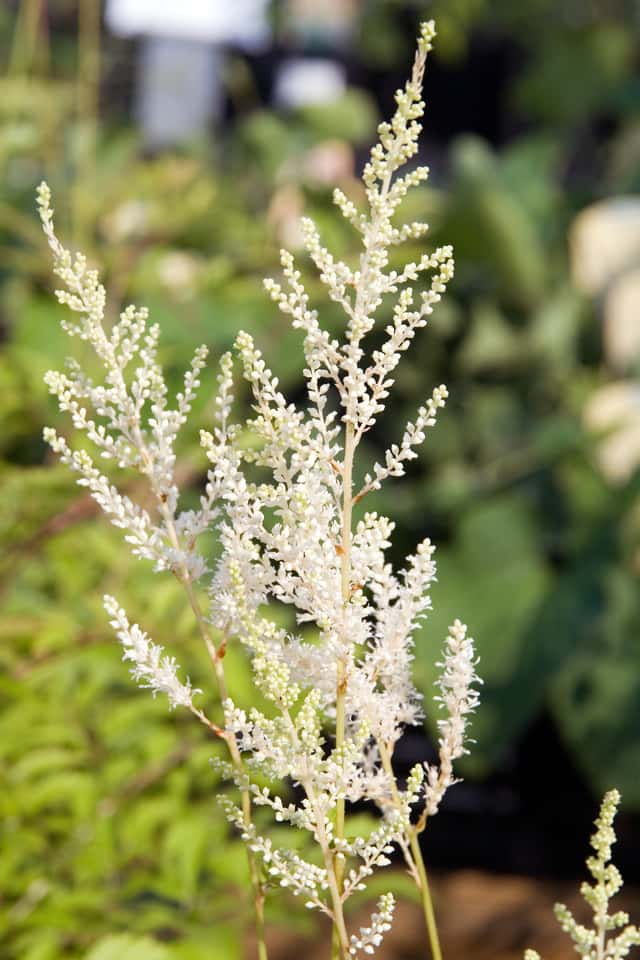
Japanese Astilbe (Astilbe japonica) is a easy-care plant from the Saxifragaceae family. Astilbe japonica, commonly known as Japanese Astilbe or False Goatsbeard, is a graceful rhizomatous herbaceous perennial native to Japan. It produces feathery, plume-like flower spikes in shades of white and pink above deeply divided, glossy dark green foliage. A beloved shade garden staple, it thri...
Japanese Astilbe grows up to 75cm, spread of 75cm, watering every 7 days, 4°C – 21°C, 50–70% humidity. It is not suitable for indoor environments and safe for pets.
Unlike many tropical plants, Japanese Astilbe tolerates watering mistakes. Best for beginners. Unlike many popular species, Japanese Astilbe is safe to keep around pets.
How to Care for Japanese Astilbe?
TLDR: Japanese Astilbe needs Low light, watering every 7 days, and temperatures between 4-21°C with 50-70% humidity.
How Often Should You Water Japanese Astilbe?
Water Japanese Astilbe deeply about once a week, ensuring the soil stays consistently moist but never waterlogged. During hot or dry spells, increase watering frequency. Mulching around the base helps retain soil moisture between waterings. Avoid letting the soil dry out completely, as drought stress causes the foliage to brown and the plant to decline rapidly.
How Much Light Does Japanese Astilbe Need?
Japanese Astilbe thrives in partial to full shade, making it perfect for dappled woodland light or north-facing borders. It can tolerate morning sun if the soil is kept consistently moist, but afternoon direct sun will scorch the delicate foliage and reduce flowering. Filtered light through a tree canopy is ideal.
What Is the Best Soil for Japanese Astilbe?
Plant in rich, loamy to humus-rich soil with excellent moisture retention and good drainage. A slightly acidic pH of 5.8–6.2 is ideal. Amend planting beds with generous amounts of compost or leaf mould before planting, and top-dress annually to maintain fertility. Avoid sandy or heavy clay soils that either dry out too fast or become waterlogged.
What Pot Should You Use for Japanese Astilbe?
Terracotta or ceramic pots with drainage holes are best for container growing, as they help prevent waterlogging. Use a deep pot to accommodate the rhizomes. In containers, Japanese Astilbe requires more frequent watering than in ground.
Care Schedule
Fertilize
Every 30 days
What Is Japanese Astilbe and Where Does It Come From?
Astilbe japonica, commonly known as Japanese Astilbe or False Goatsbeard, is a graceful rhizomatous herbaceous perennial native to Japan. It produces feathery, plume-like flower spikes in shades of white and pink above deeply divided, glossy dark green foliage. A beloved shade garden staple, it thrives in moist, organically rich soil and brings elegant texture and soft colour to woodland gardens, borders, and shaded landscapes from late spring into early summer.
How to Propagate Japanese Astilbe?
Clump Division
Division every 3–5 years rejuvenates the plant and prevents the centre from dying out. Avoid dividing in hot or dry conditions.
- 1 Dig up the entire clump in early spring just as new growth emerges
- 2 Use a sharp spade or garden fork to divide the rhizome into sections, each with at least 2–3 growing buds
- 3 Replant divisions at the same depth they were growing, spacing them 45–60 cm apart
- 4 Water thoroughly and keep consistently moist until established
Materials needed:
Seed Propagation
Seed germination is unreliable and seedlings may not be true to parent cultivars. Division is strongly preferred.
- 1 Sow seeds on the surface of moist seed compost in late winter or early spring
- 2 Do not cover seeds — they need light to germinate
- 3 Maintain temperatures of 18–21°C and keep the compost evenly moist
- 4 Transplant seedlings once large enough to handle, after the last frost
Materials needed:
How Big Does Japanese Astilbe Grow?
TLDR: Japanese Astilbe can reach up to 75cm tall with Slow growth rate.
Max height
75cm
Spread
75cm
Growth rate
Slow
Foliage
Deciduous
Plant Uses
Ornamental
Great for decoration
Is your plant showing symptoms?
Click on the symptom to discover possible causes:
What Diseases Commonly Affect Japanese Astilbe?
TLDR: Japanese Astilbe is susceptible to 5 known diseases. Monitor regularly for early detection.
Powdery Mildew
Powdery mildew is a common fungal disease caused by various fungi species including Erysiphe, Podosphaera, Oïdium, and Leveillula. It affects over 10,000 plant species worldwide. The disease thrives in warm, dry climates with high humidity and appears as a distinctive white powdery coating on plant surfaces.
Root Rot
Root rot is a serious fungal disease that affects the root system of plants, causing them to decay and die. It is primarily caused by overwatering, poor drainage, or soil-borne fungi such as Pythium, Phytophthora, Rhizoctonia, and Fusarium. The disease thrives in waterlogged conditions where roots are deprived of oxygen, making them susceptible to fungal infection.
Leaf Spot
Leaf spot is a common fungal disease caused by various pathogens including Alternaria, Ascochyta, Colletotrichum, Septoria, and Venturia. It primarily affects leaves, causing discolored spots that can lead to premature leaf drop if left untreated.
Aphids
Aphids are small, soft-bodied, pear-shaped insects (1/16 to 1/8 inch long) that feed by sucking nutrient-rich sap from plants. They reproduce rapidly and can quickly weaken plants, causing distorted growth and transmitting plant viruses. Aphids come in various colors including green, black, red, yellow, brown, and gray. They secrete honeydew, a sticky substance that attracts ants and encourages sooty mold growth.
Meaning & Symbolism
Japanese Astilbe symbolises dedication, femininity, and quiet strength. Its soft plumes rising gracefully in the shade represent patience, loyalty, and the beauty found in perseverance — an enduring and understated elegance.
Fun Facts
Japanese Astilbe is one of the earliest-blooming Astilbe species, flowering before most other varieties in late spring.
Despite its delicate appearance, it is a tough perennial hardy to USDA Zone 4, surviving winters as cold as -34°C.
The name "Astilbe" comes from the Greek words "a" (without) and "stilbe" (brightness), referring to the individual flowers being small and inconspicuous close up.
Dried Astilbe plumes remain ornamentally attractive throughout autumn and winter, providing year-round garden interest.
Frequently asked questions
How often should I water Japanese Astilbe?
Can Japanese Astilbe grow in full sun?
Is Japanese Astilbe toxic to pets?
When does Japanese Astilbe bloom?
How do I propagate Japanese Astilbe?
Compare with similar plants
| Attribute | Difficulty | Light | Watering | Pet Safe |
|---|---|---|---|---|
| Field Maple | Easy | Bright indirect | 14d | ✓ |
| Silver Birch | Easy | Direct sun | 14d | ✓ |
| Cushion Bush | Easy | Direct sun | 14d | ✓ |
| Peruvian peppertree | Easy | Direct sun | 14d | ⚠️ |