Malvaceae
Baobab (Adansonia): Everything About the Tree of Life
Adansonia
Baobab demands full sun and well-draining soil. It is extremely drought-tolerant — drastically reduce watering in winter dormancy. Use sandy or gritty substrate and never allow water to pool at the roots. Fertilize monthly during the growing season with a balanced fertilizer at half strength.
Every 14 days
Direct sun
10° - 45°C
20% - 60%
Categories
What is Baobab?
Baobab (Adansonia) is a hard-care plant from the Malvaceae family. Baobab (Adansonia) is a genus of iconic trees in the family Malvaceae, native to African savannas, Madagascar, and Australia. Known as the "Tree of Life," it stores thousands of liters of water in its massive swollen trunk, sustaining entire ecosystems during prolonged droughts. There are 8 species,...
Baobab grows up to 30.0m, spread of 1370cm, watering every 14 days, 10°C – 45°C, 20–60% humidity. It is suitable for indoor environments and safe for pets.
Unlike easy-care plants, Baobab demands constant attention to humidity and light. Not recommended for beginners. Unlike many popular species, Baobab is safe to keep around pets. Without adequate drainage, root rot can develop within 28 days.
How to Care for Baobab?
TLDR: Baobab needs Direct sun, watering every 14 days, and temperatures between 10-45°C with 20-60% humidity.
How Often Should You Water Baobab?
Water deeply and allow the substrate to dry out completely before watering again. During dormancy (autumn/winter), nearly suspend watering entirely — most losses occur from overwatering during cold periods.
How Much Light Does Baobab Need?
Requires direct sunlight for 8–12 hours per day. Indoors, place at the brightest south-facing window or supplement with high-output LED lighting. Insufficient light causes etiolated, weak growth.
What Is the Best Soil for Baobab?
Prefers sandy, well-draining substrates with a pH of 6.0–7.5. Mix coarse sand, gravel or pumice with a neutral potting mix. Avoid any soil that retains moisture for more than 2 days.
What Pot Should You Use for Baobab?
Terracotta or unglazed ceramic pots are ideal as they promote evaporation and prevent waterlogging. Ensure the pot has large drainage holes. For adult specimens grown as bonsai or indoor plants, prefer wide, shallow pots.
Care Schedule
Fertilize
Every 30 days
Repot
Every 730 days
What Is Baobab and Where Does It Come From?
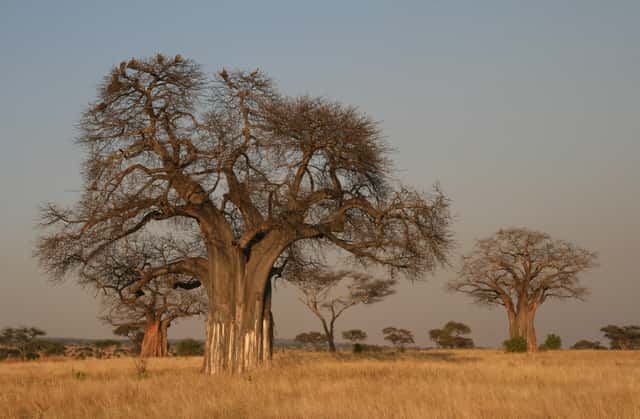
Baobab (Adansonia) is a genus of iconic trees in the family Malvaceae, native to African savannas, Madagascar, and Australia. Known as the "Tree of Life," it stores thousands of liters of water in its massive swollen trunk, sustaining entire ecosystems during prolonged droughts. There are 8 species, all characterized by a colossal bottle-shaped trunk, wide spreading crown, and palmate leaves. Some specimens live over 1,000 years and are considered living natural monuments.
How to Propagate Baobab?
Seed Germination
Scarification is essential to overcome seed coat dormancy. Fresh seeds have significantly higher germination rates.
- 1 Scarify seeds by sanding or soaking in hot water for 24 hours
- 2 Plant in well-draining sandy substrate at 1–2 cm depth
- 3 Keep in a warm location (25–30°C) with good light
- 4 Water lightly until germination; then gradually reduce moisture
Materials needed:
How Big Does Baobab Grow?
TLDR: Baobab can reach up to 30.0m tall with Slow growth rate.
Max height
30.0m
Spread
13.7m
Growth rate
Slow
Foliage
Deciduous
Plant Uses
Ornamental
Great for decoration
Edible
Can be consumed
Medicinal
Medicinal properties
Medicinal Uses
- Fruit rich in vitamin C, calcium, and antioxidants; used in traditional African medicine to treat fever, diarrhea, and inflammation
- Bark infusions used for malaria and kidney problems
- Leaves have anti-inflammatory properties and are used topically in traditional cultures
Culinary Uses
- Fruit pulp eaten fresh or used to make juices, ice cream, and fermented drinks
- Roasted seeds used as a coffee substitute or pressed for edible oil
- Young leaves cooked as a vegetable in African countries
- Fibrous bark used to make flour during food shortages
Is your plant showing symptoms?
Click on the symptom to discover possible causes:
What Diseases Commonly Affect Baobab?
TLDR: Baobab is susceptible to 8 known diseases. Monitor regularly for early detection.
Root Rot
Root rot is a serious fungal disease that affects the root system of plants, causing them to decay and die. It is primarily caused by overwatering, poor drainage, or soil-borne fungi such as Pythium, Phytophthora, Rhizoctonia, and Fusarium. The disease thrives in waterlogged conditions where roots are deprived of oxygen, making them susceptible to fungal infection.
Overwatering
Overwatering occurs when plants receive too much water, depriving roots of oxygen and causing root rot. This environmental stress is one of the most common causes of houseplant death, as waterlogged soil prevents roots from breathing and functioning properly.
Powdery Mildew
Powdery mildew is a common fungal disease caused by various fungi species including Erysiphe, Podosphaera, Oïdium, and Leveillula. It affects over 10,000 plant species worldwide. The disease thrives in warm, dry climates with high humidity and appears as a distinctive white powdery coating on plant surfaces.
Sooty Mold
Sooty mold is a fungal disease that develops on surfaces coated with honeydew, a sticky sweet substance secreted by sap-sucking insects like aphids, scale insects, and whiteflies. While it does not directly infect plant tissue, it reduces photosynthetic capacity by blocking sunlight and diminishes the plant's aesthetic appearance.
Meaning & Symbolism
Revered as a symbol of longevity, resilience, and community across sub-Saharan Africa, Madagascar, and Australia. Regarded as sacred by numerous cultures — a gathering place and natural pharmacy. Its ability to survive centuries of drought has made it an emblem of life and hope.
Fun Facts
Some African Baobabs are over 2,000 years old and are considered the oldest living organisms in Africa
The hollow trunk of a single Baobab can store up to 120,000 liters of water
Baobab flowers open only at night and are pollinated by bats and moths
Baobab fruit contains 6 times more vitamin C than an orange
Frequently asked questions
How often should I water a Baobab?
Does Baobab need a lot of sun?
Is Baobab toxic to pets or humans?
Can I grow Baobab in a pot?
Why are my Baobab leaves falling off?
Compare with similar plants
| Attribute | Difficulty | Light | Watering | Pet Safe |
|---|---|---|---|---|
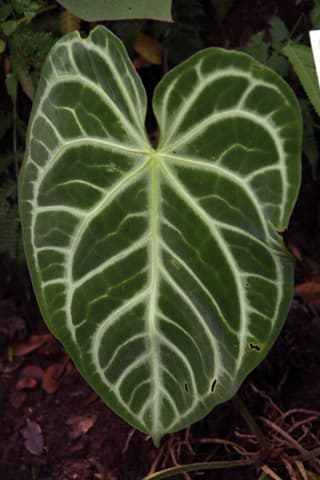
| Crystal Anthurium | Hard | Partial shade | 7d | ⚠️ |
| Delicate violet orchid | Hard | Bright indirect | 2d | ✓ |
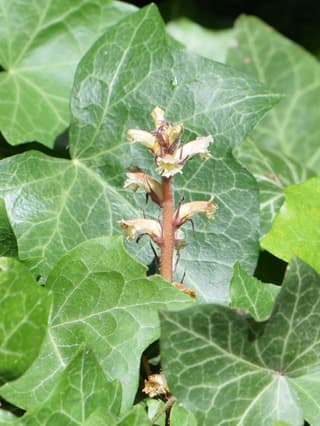
| Ivy Broomrape | Hard | Low light | 2d | ✓ |
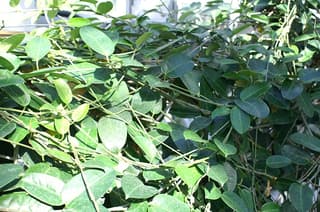
| Madagascar Jasmine | Hard | Bright indirect | 7d | ✓ |