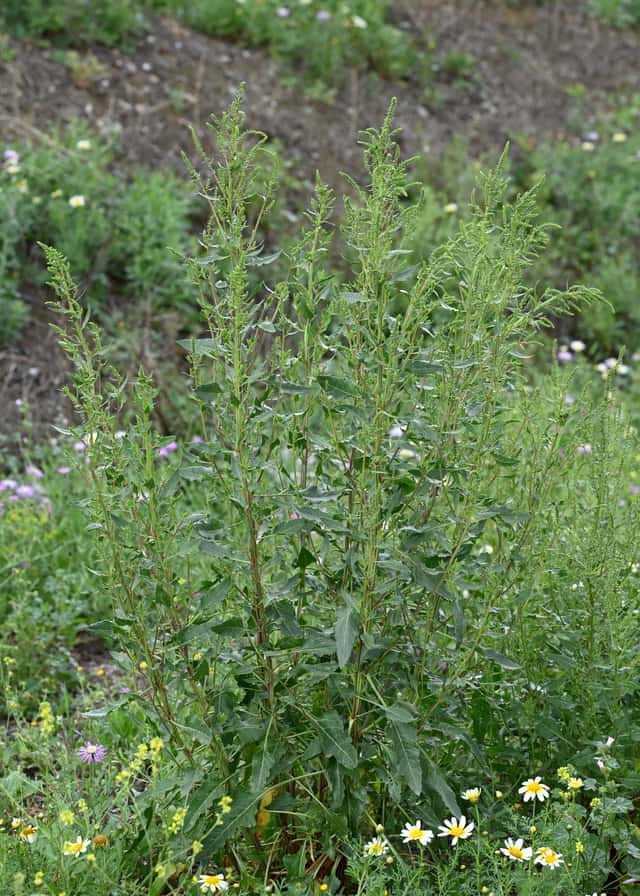
Amaranthaceae
Beetroot & Swiss Chard (Beta vulgaris): Complete Growing Guide
Beta vulgaris
Grow in full sun in fertile, well-drained soil. Water regularly every 3 days to keep the soil evenly moist. Fertilize every 14 days with a balanced fertilizer. Tolerates light frosts and prefers mild temperatures between 10°C and 25°C.
Every 3 days
Direct sun
0° - 35°C
50% - 70%
Categories
What is Beetroot?
Beetroot (Beta vulgaris) is a easy-care plant from the Amaranthaceae family. Beta vulgaris is a versatile plant species in the Amaranthaceae family, native to Europe, Western Asia, and the North African coast. It includes several cultivar groups: table beet (edible root), Swiss chard (edible leaves and stems), sugar beet, and mangelwurzel. It is a biennial vegetable grown wo...
Beetroot grows up to 1.2m, spread of 50cm, watering every 3 days, 0°C – 35°C, 50–70% humidity. It is not suitable for indoor environments and safe for pets.
Unlike many tropical plants, Beetroot tolerates watering mistakes. Best for beginners. Unlike many popular species, Beetroot is safe to keep around pets.
How to Care for Beetroot?
TLDR: Beetroot needs Direct sun, watering every 3 days, and temperatures between 0-35°C with 50-70% humidity.
How Often Should You Water Beetroot?
Water every 3 days, keeping the soil moist but never waterlogged. Overwatering causes root rot. During heat waves, increase frequency to every 2 days.
How Much Light Does Beetroot Need?
Prefers full sun (6–8 hours per day). In low light, growth slows and roots remain small. Swiss chard tolerates partial shade better than table beet.
What Is the Best Soil for Beetroot?
Use fertile, loamy soil rich in organic matter with a pH between 6.0 and 7.5. Avoid compacted or heavy clay soils that impede root development.
What Pot Should You Use for Beetroot?
Deep clay or plastic pots (at least 30 cm deep) are suitable for growing beets in small spaces. Swiss chard adapts better to container growing than root beet.
Care Schedule
Fertilize
Every 14 days
What Is Beetroot and Where Does It Come From?
Beta vulgaris is a versatile plant species in the Amaranthaceae family, native to Europe, Western Asia, and the North African coast. It includes several cultivar groups: table beet (edible root), Swiss chard (edible leaves and stems), sugar beet, and mangelwurzel. It is a biennial vegetable grown worldwide for its nutritional value and ease of cultivation.
How to Propagate Beetroot?
Direct Sowing
Sow directly in the final location as beet does not transplant well. Ideal soil temperature for germination is 10°C to 25°C.
- 1 Loosen soil to 30 cm depth and amend with compost
- 2 Sow seeds 1-2 cm deep in rows 30 cm apart
- 3 Keep soil moist until germination
- 4 Thin seedlings to 10-15 cm apart
- 5 Water regularly and fertilize every 14 days
Materials needed:
How Big Does Beetroot Grow?
TLDR: Beetroot can reach up to 1.2m tall with Fast growth rate.
Max height
1.2m
Spread
50cm
Growth rate
Fast
Foliage
Deciduous
Plant Uses
Edible
Can be consumed
Culinary Uses
- Boiled, roasted or raw root in salads
- Chard leaves sautéed or in soups
- Beetroot juice for smoothies
- Roasted beetroot chips
Is your plant showing symptoms?
Click on the symptom to discover possible causes:
What Diseases Commonly Affect Beetroot?
TLDR: Beetroot is susceptible to 11 known diseases. Monitor regularly for early detection.
Bacterial Blight
Bacterial blight is a serious plant disease caused by pathogenic bacteria that enters plants through wounds or natural openings. It spreads rapidly in warm, wet conditions and can cause significant damage to leaves, stems, and flowers. The bacteria are transmitted by water splash, contaminated tools, and insects.
Leaf Curl Virus
Leaf curl virus is a serious viral disease caused by begomoviruses, transmitted by whiteflies (Bemisia tabaci). It affects various plants including tomatoes, peppers, and ornamentals, causing significant yield losses and plant decline. Once infected, plants cannot be cured and management focuses on prevention and vector control.
Mosaic Virus
Mosaic virus is a group of plant viruses that cause mottled, patchy patterns on leaves and can affect a wide variety of plants. The virus creates characteristic yellow, white, and green mosaic patterns, often accompanied by stunted growth and deformed plant parts. This highly contagious disease spreads rapidly through insect vectors and contaminated tools.
Cercospora Leaf Spot
Cercospora leaf spot is a common fungal disease caused by Cercospora species that affects many plant types, particularly beets, roses, and leafy vegetables. The disease thrives in warm, humid conditions and can cause significant defoliation, reducing plant vigor and yield. It spreads rapidly through water splash, wind, and contaminated tools.
Meaning & Symbolism
Abundance, vitality and resilience — beet symbolizes nourishment and earth energy.
Fun Facts
Beet was cultivated by the Romans over 2,000 years ago, initially only for its leaves
Beetroot juice can improve athletic endurance due to its high nitrate content
Sugar beet provides about 20% of the world's sugar production
Swiss chard leaves contain more nutrients than the beet root itself
Frequently asked questions
How often should I water beetroot?
Can beetroot be grown in containers?
How long does beetroot take to harvest?
Is beetroot toxic to pets?
How do I know when beetroot is ready to harvest?
Compare with similar plants
| Attribute | Difficulty | Light | Watering | Pet Safe |
|---|---|---|---|---|
| Field Maple | Easy | Bright indirect | 14d | ✓ |
| Silver Birch | Easy | Direct sun | 14d | ✓ |
| Common Blanketflower | Easy | Direct sun | 10d | ✓ |
| Cushion Bush | Easy | Direct sun | 14d | ✓ |





