Asteraceae
Black Salsify (Scorzonera): Complete Growing Guide
Scorzonera
Grow in full sun in deep, loose, well-drained soil. Water regularly to maintain even soil moisture. Always direct sow — the taproot does not tolerate transplanting. Hardy, low-maintenance, and cold-resistant.
Every 7 days
Direct sun
-20° - 25°C
40% - 70%
Categories
What is Black Salsify?
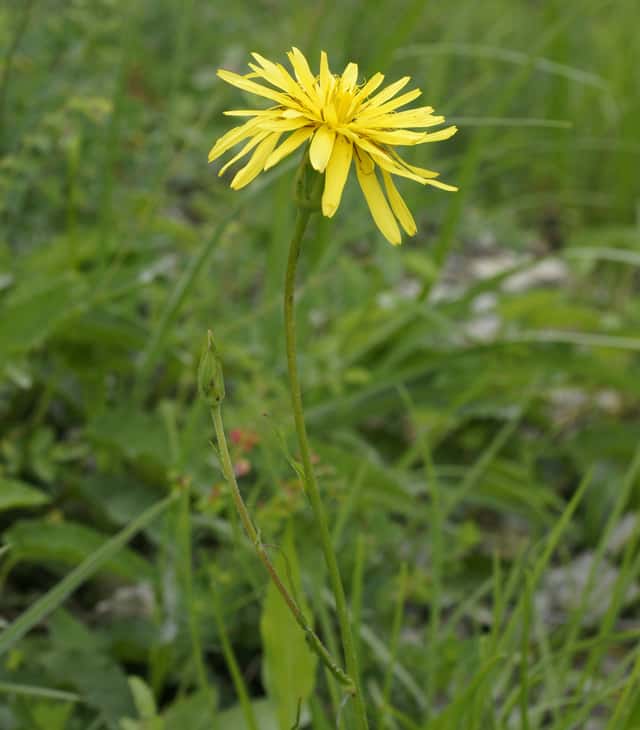
Black Salsify (Scorzonera) is a medium-care plant from the Asteraceae family. Scorzonera is a perennial root vegetable in the Asteraceae family, native to southern Europe and Central Asia. It produces long taproots with distinctive black skin and white flesh, prized for their delicate oyster-like flavor. In the second year, plants bear bright yellow dandelion-like flowers tha...
Black Salsify grows up to 1.2m, spread of 45cm, watering every 7 days, -20°C – 25°C, 40–70% humidity. It is not suitable for indoor environments and safe for pets.
Unlike many popular species, Black Salsify is safe to keep around pets.
How to Care for Black Salsify?
TLDR: Black Salsify needs Direct sun, watering every 7 days, and temperatures between -20-25°C with 40-70% humidity.
How Often Should You Water Black Salsify?
Water every 7 days, keeping soil consistently moist. Avoid overwatering to prevent root rot. During dry spells, deep watering is preferable to frequent shallow irrigation.
How Much Light Does Black Salsify Need?
Requires full sun with at least 6–8 hours of direct sunlight daily. Partial shade reduces root size and quality.
What Is the Best Soil for Black Salsify?
Thrives in deep, loose, sandy loam with good drainage, pH 6.0–7.5. Incorporate well-rotted compost before planting. Remove all stones — they cause forked, misshapen roots.
What Pot Should You Use for Black Salsify?
Deep outdoor bed or tall container (minimum 60 cm depth)
Care Schedule
Fertilize
Every 180 days
What Is Black Salsify and Where Does It Come From?
Scorzonera is a perennial root vegetable in the Asteraceae family, native to southern Europe and Central Asia. It produces long taproots with distinctive black skin and white flesh, prized for their delicate oyster-like flavor. In the second year, plants bear bright yellow dandelion-like flowers that are also edible.
How to Propagate Black Salsify?
Direct Sowing
Use only fresh seed from the current season — viability drops sharply after one year. Never transplant: taproots will not survive disturbance.
- 1 Prepare soil to at least 45 cm depth, removing all stones
- 2 Sow seeds 1 cm deep, spaced 5–10 cm apart
- 3 Keep soil moist throughout germination period
- 4 Thin to 15–20 cm spacing after germination
- 5 Harvest in autumn/winter of the same year or the following spring
Materials needed:
How Big Does Black Salsify Grow?
TLDR: Black Salsify can reach up to 1.2m tall with Slow growth rate.
Max height
1.2m
Spread
45cm
Growth rate
Slow
Foliage
Deciduous
Plant Uses
Edible
Can be consumed
Medicinal
Medicinal properties
Medicinal Uses
- Historically used in European folk medicine as a remedy for snake bites
- Rich in inulin, potassium, manganese, and iron — supports digestive and cardiovascular health
Culinary Uses
- Roasted or sautéed with butter as a side dish
- Spring shoots stir-fried or steamed
- Flower buds cooked as a delicate vegetable
- Roots in soups, gratins, and stews
Is your plant showing symptoms?
Click on the symptom to discover possible causes:
What Diseases Commonly Affect Black Salsify?
TLDR: Black Salsify is susceptible to 5 known diseases. Monitor regularly for early detection.
White Rust
Aphids
Aphids are small, soft-bodied, pear-shaped insects (1/16 to 1/8 inch long) that feed by sucking nutrient-rich sap from plants. They reproduce rapidly and can quickly weaken plants, causing distorted growth and transmitting plant viruses. Aphids come in various colors including green, black, red, yellow, brown, and gray. They secrete honeydew, a sticky substance that attracts ants and encourages sooty mold growth.
Slugs and Snails
Slugs and snails are mollusks that feed on plant tissue, causing irregular holes in leaves and damage to young seedlings. They are most active at night and in moist conditions, leaving characteristic silvery slime trails. These pests can quickly devastate gardens, especially during wet seasons.
Powdery Mildew
Powdery mildew is a common fungal disease caused by various fungi species including Erysiphe, Podosphaera, Oïdium, and Leveillula. It affects over 10,000 plant species worldwide. The disease thrives in warm, dry climates with high humidity and appears as a distinctive white powdery coating on plant surfaces.
Meaning & Symbolism
Resilience and hidden depth — the rough black skin conceals a sweet, white interior, symbolizing value beneath a modest appearance.
Fun Facts
The yellow flowers are also edible and have a pleasantly sweet flavor
Scorzonera can remain in the ground all winter without deteriorating — harvest on demand
Its inulin content acts as a natural prebiotic, feeding beneficial gut bacteria
In medieval Europe, scorzonera was believed to be an antidote to poison and snake venom
Frequently asked questions
When should I plant Scorzonera?
Is Scorzonera toxic to pets?
How long until harvest?
Why are my roots forked or misshapen?
Can I grow Scorzonera in containers?
Compare with similar plants
| Attribute | Difficulty | Light | Watering | Pet Safe |
|---|---|---|---|---|
| Dark Fieldcap | Medium | Low light | 2d | ⚠️ |
| Azalea | Medium | Partial shade | 3d | ⚠️ |
| Muriel's Bamboo | Medium | Partial shade | 3d | ✓ |
| Bougainvillea | Medium | Direct sun | 7d | ⚠️ |




