Lamiaceae
Mealycup Sage (Salvia farinacea) – Complete Plant Care Guide
Salvia farinacea
Mealycup Sage thrives in full sun with well-draining soil. Water deeply but infrequently, allowing the soil to dry between sessions. Fertilize monthly during the growing season and prune spent flower spikes to encourage re-blooming. It is low-maintenance and highly resilient once established.
Every 9 days
Direct sun
-2° - 38°C
40% - 65%
Categories
What is Mealycup Sage?
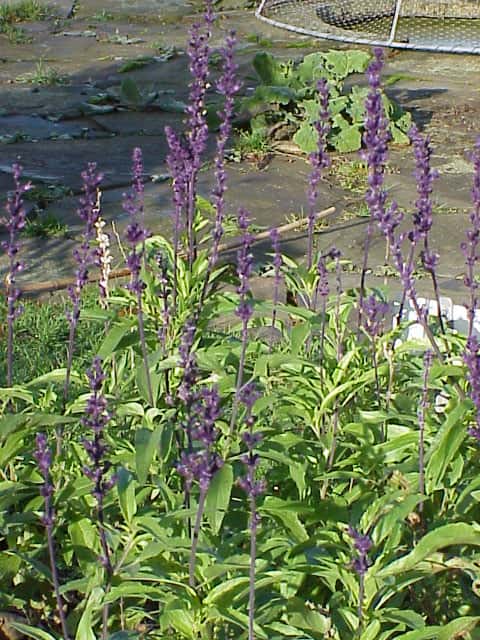
Mealycup Sage (Salvia farinacea) is a easy-care plant from the Lamiaceae family. Salvia farinacea, commonly known as Mealycup Sage or Blue Sage, is a tender perennial native to the prairies and meadows of south-central Texas, Oklahoma, and northeast Mexico. It produces tall, elegant spikes of vivid blue-to-violet flowers from late spring through autumn, making it a favorite in p...
Mealycup Sage grows up to 90cm, spread of 60cm, watering every 9 days, -2°C – 38°C, 40–65% humidity. It is not suitable for indoor environments and safe for pets.
Unlike many tropical plants, Mealycup Sage tolerates watering mistakes. Best for beginners. Unlike many popular species, Mealycup Sage is safe to keep around pets.
How to Care for Mealycup Sage?
TLDR: Mealycup Sage needs Direct sun, watering every 9 days, and temperatures between -2-38°C with 40-65% humidity.
How Often Should You Water Mealycup Sage?
Water deeply every 7–10 days, or when the top 2–3 cm of soil is dry. Avoid overhead watering to prevent fungal issues. Established plants are drought-tolerant but flower best with consistent moisture.
How Much Light Does Mealycup Sage Need?
Mealycup Sage demands full sun — at least 6 hours of direct sunlight daily. Insufficient light results in leggy stems and reduced flowering. In very hot climates, light afternoon shade is tolerable.
What Is the Best Soil for Mealycup Sage?
Plant in well-draining soil — sandy loam or garden soil amended with perlite or grit works well. Avoid heavy clay that retains moisture; this plant is prone to root rot in waterlogged conditions.
What Pot Should You Use for Mealycup Sage?
Terracotta or unglazed ceramic pots with drainage holes are ideal — they allow excess moisture to escape and prevent root rot. Avoid large pots that hold too much soil moisture.
Care Schedule
Fertilize
Every 30 days
What Is Mealycup Sage and Where Does It Come From?
Salvia farinacea, commonly known as Mealycup Sage or Blue Sage, is a tender perennial native to the prairies and meadows of south-central Texas, Oklahoma, and northeast Mexico. It produces tall, elegant spikes of vivid blue-to-violet flowers from late spring through autumn, making it a favorite in pollinator gardens. The plant is deer-resistant, drought-tolerant once established, and attracts bees, butterflies, and hummingbirds.
How to Propagate Mealycup Sage?
Seed Sowing
Refrigerate seeds for one week before sowing to improve germination rates. Seeds can also be direct-sown outdoors after frost risk has passed.
- 1 Start seeds indoors 6–8 weeks before last frost.
- 2 Sow seeds on the surface of moist seed-starting mix — do not cover, as they need light to germinate.
- 3 Keep at 18–21°C with consistent moisture.
- 4 Transplant outdoors after last frost, spacing plants 30–45 cm apart.
Materials needed:
Stem Cutting
Keep the propagation medium consistently moist but not waterlogged. High humidity improves success — use a plastic bag or humidity dome if needed.
- 1 Take a 10–15 cm cutting from a healthy non-flowering stem.
- 2 Remove lower leaves, leaving 2–3 leaves at the top.
- 3 Dip the cut end in rooting hormone.
- 4 Insert into moist well-draining propagation mix and keep in a warm, bright spot out of direct sun.
- 5 Transplant once roots are 2–3 cm long.
Materials needed:
How Big Does Mealycup Sage Grow?
TLDR: Mealycup Sage can reach up to 90cm tall with Medium growth rate.
Max height
90cm
Spread
60cm
Growth rate
Medium
Foliage
Semi-evergreen
Plant Uses
Ornamental
Great for decoration
Aromatic
Pleasant fragrance
Medicinal Uses
- Traditionally used in herbal medicine for its antioxidant and antimicrobial properties; leaves used in teas for digestive support
Is your plant showing symptoms?
Click on the symptom to discover possible causes:
What Diseases Commonly Affect Mealycup Sage?
TLDR: Mealycup Sage is susceptible to 8 known diseases. Monitor regularly for early detection.
Powdery Mildew
Powdery mildew is a common fungal disease caused by various fungi species including Erysiphe, Podosphaera, Oïdium, and Leveillula. It affects over 10,000 plant species worldwide. The disease thrives in warm, dry climates with high humidity and appears as a distinctive white powdery coating on plant surfaces.
Downy Mildew
Downy mildew is a fungal-like disease caused by oomycetes (water molds) that thrives in cool, wet conditions. It affects a wide range of plants, causing yellowing leaves with fuzzy white-gray growth underneath, leading to defoliation and reduced yields if left untreated.
Root Rot
Root rot is a serious fungal disease that affects the root system of plants, causing them to decay and die. It is primarily caused by overwatering, poor drainage, or soil-borne fungi such as Pythium, Phytophthora, Rhizoctonia, and Fusarium. The disease thrives in waterlogged conditions where roots are deprived of oxygen, making them susceptible to fungal infection.
Aphids
Aphids are small, soft-bodied, pear-shaped insects (1/16 to 1/8 inch long) that feed by sucking nutrient-rich sap from plants. They reproduce rapidly and can quickly weaken plants, causing distorted growth and transmitting plant viruses. Aphids come in various colors including green, black, red, yellow, brown, and gray. They secrete honeydew, a sticky substance that attracts ants and encourages sooty mold growth.
Meaning & Symbolism
In herbal tradition, sage symbolizes wisdom, longevity, and protection. Salvia farinacea carries this legacy, often planted to bring clarity and healing energy to garden spaces.
Fun Facts
Salvia farinacea can flower within just 4 months of sowing from seed.
Its blue flower spikes are so vivid they are often used as fresh-cut or dried flowers in arrangements.
The plant name "farinacea" comes from the Latin word for flour, referring to the mealy white coating on its calyces.
Mealycup Sage is highly attractive to hummingbirds, bees, and butterflies, making it a prized pollinator plant.
Frequently asked questions
How often should I water Mealycup Sage?
Is Salvia farinacea toxic to pets?
Can I grow Mealycup Sage indoors?
How do I encourage more blooms on my Salvia farinacea?
Does Mealycup Sage come back every year?
Compare with similar plants
| Attribute | Difficulty | Light | Watering | Pet Safe |
|---|---|---|---|---|
| Small Scabious | Easy | Direct sun | 7d | ✓ |
| Field Maple | Easy | Bright indirect | 14d | ✓ |
| Silver Birch | Easy | Direct sun | 14d | ✓ |
| Red valerian | Easy | Direct sun | 10d | ✓ |


