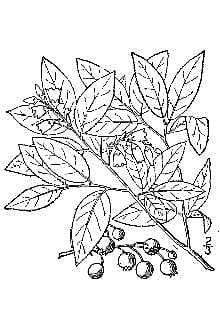
Ericaceae
Caucasian Snow Rose: Complete Care Guide for Rhododendron caucasicum
Rhododendron caucasicum
Rhododendron caucasicum is a demanding species best suited to experienced gardeners. It requires cool, partially shaded conditions, consistently moist but well-drained acidic soil (pH 4.5–6.0), and shelter from strong winds and intense afternoon sun. Water weekly, apply an acid-specific fertilizer every 90 days during the growing season, and prune lightly after flowering to maintain shape. Repot every 1–2 years while young. Keep away from children and pets — all parts are toxic.
Every 7 days
Partial shade
-20° - 25°C
50% - 70%
Categories
What is Caucasian Snow Rose?
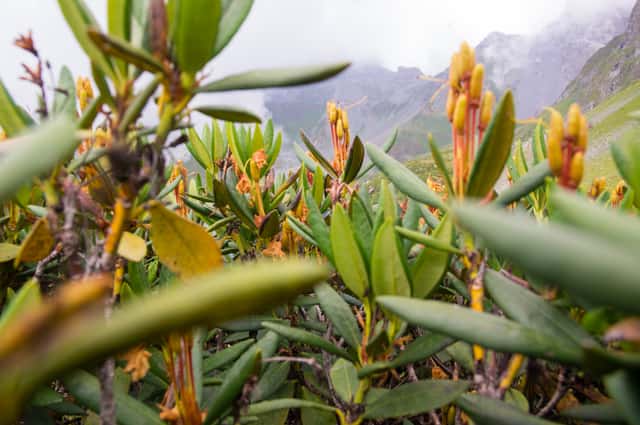
Caucasian Snow Rose (Rhododendron caucasicum) is a hard-care plant from the Ericaceae family. Rhododendron caucasicum, commonly known as the Caucasian Snow Rose, is a slow-growing evergreen shrub native to the subalpine and alpine zones of the Caucasus Mountains. It produces clusters of white to pale pink flowers in spring and forms dense, compact mounds of leathery dark green leaves. This s...
Caucasian Snow Rose grows up to 1.5m, spread of 150cm, watering every 7 days, -20°C – 25°C, 50–70% humidity. It is not suitable for indoor environments and not safe for pets.
Unlike easy-care plants, Caucasian Snow Rose demands constant attention to humidity and light. Not recommended for beginners. Without precautions, ingestion can cause irritation in pets. Keep out of reach of cats and dogs.
How to Care for Caucasian Snow Rose?
TLDR: Caucasian Snow Rose needs Partial shade, watering every 7 days, and temperatures between -20-25°C with 50-70% humidity.
How Often Should You Water Caucasian Snow Rose?
Water Rhododendron caucasicum every 7 days, ensuring the root zone stays consistently moist but never waterlogged. Check the top inch of soil — if it feels damp, wait another day or two. In hot, dry summers, increase frequency. Use rainwater or lime-free water whenever possible, as this species is highly sensitive to hard water and elevated soil pH.
How Much Light Does Caucasian Snow Rose Need?
Place in a partially shaded spot that receives bright, indirect light or morning sun (approximately 5,000–20,000 lux). Avoid intense afternoon direct sun, which scorches the leathery leaves. In very hot climates, a north-facing or east-facing position with dappled shade is ideal. Alpine conditions with cool, bright light closely mimic its native Caucasus mountain habitat.
What Is the Best Soil for Caucasian Snow Rose?
Plant in a peaty, humus-rich, acidic soil with a pH between 4.5 and 6.0. Mix ericaceous compost with perlite or coarse bark to ensure good drainage while retaining moisture. Mulch the root zone generously with pine bark or leaf mould to maintain acidity, conserve moisture, and keep roots cool. Never use alkaline or clay-heavy soil, as this causes chlorosis and root decline.
What Pot Should You Use for Caucasian Snow Rose?
Use a wide, shallow ceramic or terracotta pot with excellent drainage holes. Choose ericaceous (acid) potting compost. The pot should be only slightly larger than the root ball — Rhododendron caucasicum dislikes excess soil volume around its roots. Ensure the pot allows roots to stay cool and moist without sitting in water.
Care Schedule
Fertilize
Every 90 days
Repot
Every 730 days
What Is Caucasian Snow Rose and Where Does It Come From?
Rhododendron caucasicum, commonly known as the Caucasian Snow Rose, is a slow-growing evergreen shrub native to the subalpine and alpine zones of the Caucasus Mountains. It produces clusters of white to pale pink flowers in spring and forms dense, compact mounds of leathery dark green leaves. This species is highly toxic due to the presence of grayanotoxins, which can cause serious poisoning in humans and animals if ingested in significant quantities. It is a challenging plant to cultivate, demanding acidic, peaty, well-draining soil and consistent moisture in a partially shaded position sheltered from harsh winds.
How to Propagate Caucasian Snow Rose?
Ground Layering
Keep the layered section consistently moist throughout the rooting period. Spring layering in cool conditions yields the best results.
- 1 Select a long, flexible, healthy low-growing branch
- 2 Make a shallow wound on the underside of the branch about 30 cm from the tip
- 3 Dust the wound with rooting hormone powder
- 4 Pin the wounded section into moist, acidic peaty soil using a U-shaped peg
- 5 Cover with soil and mulch to retain moisture
- 6 Sever from the parent plant once roots are well established after 12–18 months
Materials needed:
Semi-hardwood Cutting
Mist regularly to maintain humidity. Rooting is slow — be patient and do not disturb cuttings. Bottom heat from a propagation mat improves success rates.
- 1 Take 8–10 cm semi-hardwood cuttings in mid to late summer
- 2 Remove all but the top 2–3 leaves and wound the base
- 3 Dip in rooting hormone gel
- 4 Insert into a tray of acidic, free-draining rooting medium (50% perlite, 50% ericaceous compost)
- 5 Cover with a humidity dome or plastic bag
- 6 Keep in a warm, bright spot out of direct sun at 18–21°C
Materials needed:
How Big Does Caucasian Snow Rose Grow?
TLDR: Caucasian Snow Rose can reach up to 1.5m tall with Slow growth rate.
Max height
1.5m
Spread
1.5m
Growth rate
Slow
Foliage
Evergreen
Warning: Toxic Plant
This plant can be toxic if ingested. Keep out of reach of:
Plant Uses
Ornamental
Great for decoration
Is your plant showing symptoms?
Click on the symptom to discover possible causes:
What Diseases Commonly Affect Caucasian Snow Rose?
TLDR: Caucasian Snow Rose is susceptible to 6 known diseases. Monitor regularly for early detection.
Phytophthora Root Rot
Disease caused by fungus-like organisms (oomycetes) that live in soil and can survive for years. It affects roots, stem, and crown of plants, being especially severe in waterlogged or poorly drained soils. It is the second most common cause of root rot in trees and shrubs.
Root Rot
Root rot is a serious fungal disease that affects the root system of plants, causing them to decay and die. It is primarily caused by overwatering, poor drainage, or soil-borne fungi such as Pythium, Phytophthora, Rhizoctonia, and Fusarium. The disease thrives in waterlogged conditions where roots are deprived of oxygen, making them susceptible to fungal infection.
Powdery Mildew
Powdery mildew is a common fungal disease caused by various fungi species including Erysiphe, Podosphaera, Oïdium, and Leveillula. It affects over 10,000 plant species worldwide. The disease thrives in warm, dry climates with high humidity and appears as a distinctive white powdery coating on plant surfaces.
Rust
Rust is a common fungal disease caused by fungi in the order Pucciniales that affects a wide variety of plants. The disease gets its name from the characteristic orange, yellow, or reddish-brown pustules that appear on leaves, resembling metal rust. This obligate fungal parasite requires living plants to survive and can cause significant economic losses in agricultural crops.
Meaning & Symbolism
In its native Caucasus homeland, Rhododendron caucasicum symbolizes resilience and alpine beauty — a hardy survivor thriving in rugged, snow-swept mountain landscapes. It has come to represent endurance and the quiet strength of nature persisting in harsh conditions.
Fun Facts
Rhododendron caucasicum contains grayanotoxins — the same compounds found in 'mad honey' produced when bees feed on its nectar in the Caucasus.
Despite being toxic, R. caucasicum was historically used in folk medicine across the Caucasus region as a sedative and for treating hypertension.
It is one of the hardiest rhododendron species, surviving temperatures as low as -20°C in its native alpine habitat.
The species was first described by the German botanist Peter Simon Pallas in the late 18th century during his expeditions across the Russian Empire.
Frequently asked questions
Is Rhododendron caucasicum toxic to pets?
How often should I water Rhododendron caucasicum?
What soil does Rhododendron caucasicum need?
Does Rhododendron caucasicum grow indoors?
When does Rhododendron caucasicum flower?
Compare with similar plants
| Attribute | Difficulty | Light | Watering | Pet Safe |
|---|---|---|---|---|
| Azalea | Medium | Partial shade | 3d | ⚠️ |
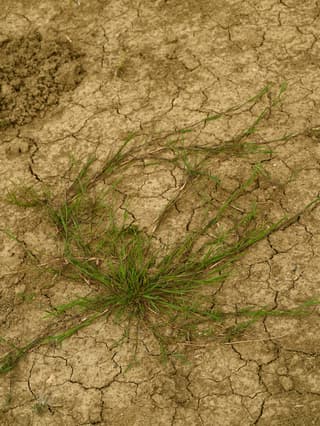
| Creeping bentgrass | Hard | Direct sun | 3d | ✓ |
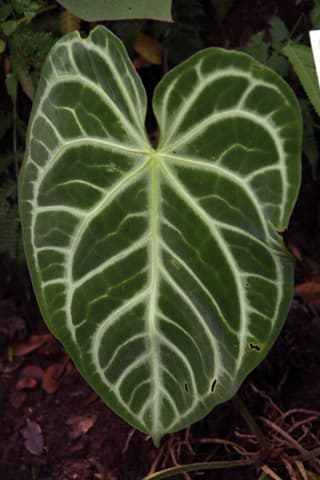
| Crystal Anthurium | Hard | Partial shade | 7d | ⚠️ |
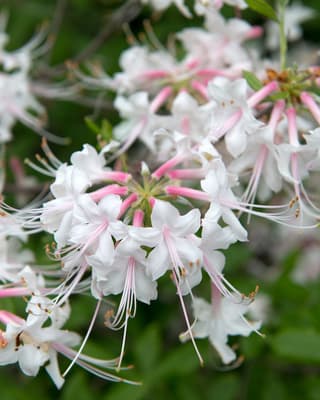
| Alabama azalea | Medium | Partial shade | 7d | ⚠️ |