Moraceae
Common Fig (Ficus carica): How to Grow and Care
Ficus carica
Hardy and resilient plant. Requires full sun, moderate watering and well-draining soil. Drought-tolerant once established. Annual winter pruning encourages fruit production. Ideal for Mediterranean gardens and large containers.
Every 7 days
Direct sun
-10° - 38°C
40% - 60%
Categories
What is Common Fig?
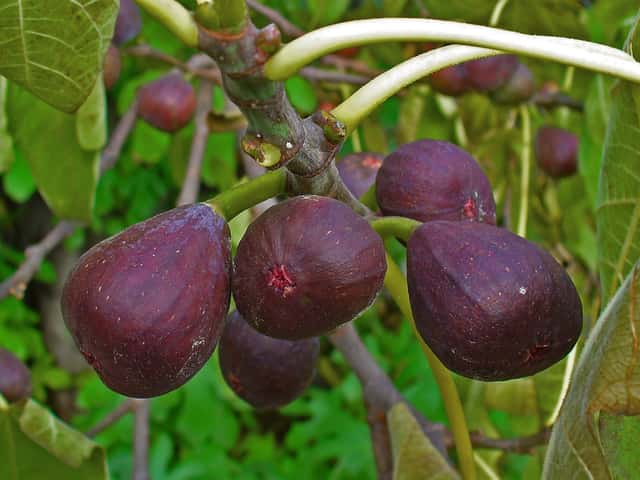
Common Fig (Ficus carica) is a medium-care plant from the Moraceae family. The Common Fig (Ficus carica) is one of the oldest cultivated fruit trees in the world, native to the Mediterranean region and Western Asia. This deciduous, drought-tolerant tree produces sweet figs prized in cooking and traditional medicine. Its deeply lobed leaves and gnarled gray trunk offer orna...
Common Fig grows up to 9.0m, with spread of 600cm, watering every 7 days, -10°C – 38°C, 40–60% humidity. It is suitable for indoor environments and not safe for pets.
Without precautions, ingestion can cause irritation in pets. Keep out of reach of cats and dogs. Without adequate drainage, root rot can develop within 14 days.
How to Care for Common Fig?
TLDR: Common Fig needs Direct sun, watering every 7 days, and temperatures between -10-38°C with 40-60% humidity.
How Often Should You Water Common Fig?
Water every 7 days during spring and summer, allowing the soil to dry slightly between waterings. In winter (after leaf drop) reduce watering significantly. Avoid waterlogging — fig roots are sensitive to standing water.
How Much Light Does Common Fig Need?
Plant in full sun with at least 6-8 hours of direct light daily. Direct sunlight is essential for fruit production and healthy growth. It can tolerate partial shade but fruiting will be greatly reduced.
What Is the Best Soil for Common Fig?
Prefers well-draining, slightly acidic to neutral soil (pH 6.0–7.0). Mix coarse sand or perlite into potting mix to ensure good drainage. Enrich with organic compost annually.
What Pot Should You Use for Common Fig?
Large terracotta or ceramic pot (minimum 40 cm diameter) with drainage holes. In the garden, plant directly in the ground with ample space (at least 3 m from walls or other plants).
Care Schedule
Fertilize
Every 30 days
Misting
Every 7 days
Rotate
Every 7 days
Repot
Every 730 days
What Is Common Fig and Where Does It Come From?
The Common Fig (Ficus carica) is one of the oldest cultivated fruit trees in the world, native to the Mediterranean region and Western Asia. This deciduous, drought-tolerant tree produces sweet figs prized in cooking and traditional medicine. Its deeply lobed leaves and gnarled gray trunk offer ornamental beauty throughout the seasons.
How to Propagate Common Fig?
Hardwood Cutting
Use branches from the previous year for best results. Keep substrate slightly moist, never waterlogged.
- 1 Cut a woody branch 20-30 cm long in late winter or early spring
- 2 Remove lower leaves, keeping 2-3 leaves at the top
- 3 Apply rooting hormone to the cut end
- 4 Insert into a moist mix of sand and potting soil
- 5 Keep in a shaded, warm location until roots develop
Materials needed:
How Big Does Common Fig Grow?
TLDR: Common Fig can reach up to 9.0m tall with Fast growth rate.
Max height
9.0m
Spread
6.0m
Growth rate
Fast
Foliage
Deciduous
Warning: Toxic Plant
This plant can be toxic if ingested. Keep out of reach of:
Plant Uses
Edible
Can be consumed
Ornamental
Great for decoration
Medicinal Uses
- Traditional use of leaves in folk medicine for managing diabetes and digestive issues
- Leaf latex used topically against warts
Culinary Uses
- Fresh figs in preserves, jams and sweets
- Dried figs as a nutritious snack
- Leaves used to wrap cheeses and foods in Mediterranean cuisine
Is your plant showing symptoms?
Click on the symptom to discover possible causes:
What Diseases Commonly Affect Common Fig?
TLDR: Common Fig is susceptible to 10 known diseases. Monitor regularly for early detection.
Root Rot
Root rot is a serious fungal disease that affects the root system of plants, causing them to decay and die. It is primarily caused by overwatering, poor drainage, or soil-borne fungi such as Pythium, Phytophthora, Rhizoctonia, and Fusarium. The disease thrives in waterlogged conditions where roots are deprived of oxygen, making them susceptible to fungal infection.
Rust
Rust is a common fungal disease caused by fungi in the order Pucciniales that affects a wide variety of plants. The disease gets its name from the characteristic orange, yellow, or reddish-brown pustules that appear on leaves, resembling metal rust. This obligate fungal parasite requires living plants to survive and can cause significant economic losses in agricultural crops.
Mosaic Virus
Mosaic virus is a group of plant viruses that cause mottled, patchy patterns on leaves and can affect a wide variety of plants. The virus creates characteristic yellow, white, and green mosaic patterns, often accompanied by stunted growth and deformed plant parts. This highly contagious disease spreads rapidly through insect vectors and contaminated tools.
Gray Mold (Botrytis Blight)
Gray mold, caused by the fungus Botrytis cinerea, is one of the most common fungal diseases in plants. It affects over 200 plant species, including ornamentals, vegetables, fruits, and houseplants. The disease thrives in cool, humid conditions with poor air circulation, causing grayish spots and soft rot on infected tissues.
Meaning & Symbolism
In Mediterranean tradition, the fig tree symbolizes abundance, fertility, peace and wisdom. Referenced in sacred texts such as the Bible and the Quran, it represents prosperity and longevity.
Fun Facts
The fig is one of the oldest cultivated plants in human history, with evidence of cultivation dating back over 11,000 years
Each fig 'fruit' is actually an inverted flower cluster called a syconium, containing hundreds of tiny flowers inside
Fig trees can live for centuries — some trees in the Mediterranean are over 200 years old
Fig leaves are mentioned in the Bible as the first clothing worn by Adam and Eve
Frequently asked questions
How often should I water my fig tree?
Is the fig tree toxic to pets?
Can I grow a fig tree in a container?
When should I prune my fig tree?
Why is my fig tree dropping its leaves?
Compare with similar plants
| Attribute | Difficulty | Light | Watering | Pet Safe |
|---|---|---|---|---|
| Fiddle Leaf Fig | Hard | Bright indirect | 10d | ⚠️ |
| Rubber Plant | Easy | Partial shade | 7d | ⚠️ |
| Flamingo Flower | Medium | Partial shade | 5d | ⚠️ |
| Prayer Plant | Medium | Partial shade | 3d | ✓ |