Moraceae
Weeping Fig: Fast Growing
Ficus benjamina
Medium difficulty. Needs bright indirect light, water when top 2-3 inches dry (every 7-14 days), moderate humidity (40-60%), and stable temperatures (60-75°F). Sensitive to changes - avoid moving frequently. Drops leaves when stressed but recovers with patience.
Every 10 days
Partial shade
16° - 24°C
40% - 60%
Categories
What is Weeping Fig?
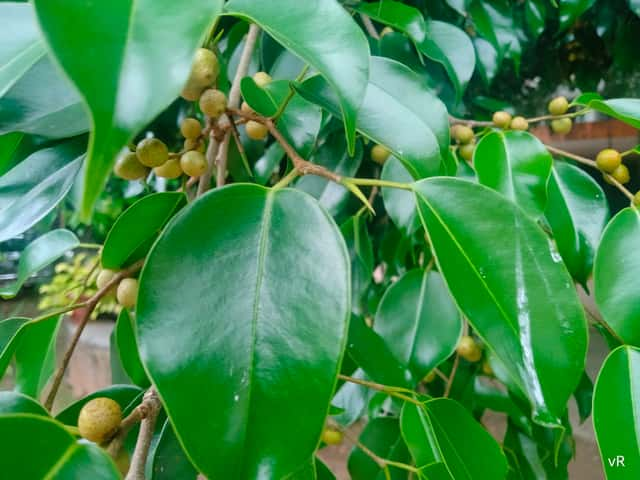
Weeping Fig (Ficus benjamina) is a medium-care plant from the Moraceae family. The Weeping Fig is an elegant tropical tree native to Southeast Asia and Australia, prized for its gracefully drooping branches and glossy, dark green leaves. In the wild, it can reach up to 50 feet tall, though as a houseplant it typically grows 3-10 feet. It is the official tree of Bangkok, Thaila...
Weeping Fig grows up to 3.0m, with spread of 200cm, watering every 10 days, 16°C – 24°C, 40–60% humidity. It is suitable for indoor environments and not safe for pets.
Without precautions, ingestion can cause irritation in pets. Keep out of reach of cats and dogs. Without adequate drainage, root rot can develop within 20 days.
How to Care for Weeping Fig?
TLDR: Weeping Fig needs Partial shade, watering every 10 days, and temperatures between 16-24°C with 40-60% humidity.
How Often Should You Water Weeping Fig?
Water thoroughly when the top 2-3 inches of soil feel dry, typically every 7-14 days. Allow 75% of soil to dry between waterings. Reduce watering in winter. Very sensitive to overwatering - root rot and leaf drop occur quickly. Never let it sit in water.
How Much Light Does Weeping Fig Need?
Thrives in bright, indirect light - ideal near east or west-facing windows. Can tolerate some direct morning sun but avoid harsh afternoon rays. Will not tolerate low light conditions. Grows toward light source, rotate regularly to maintain even shape.
What Is the Best Soil for Weeping Fig?
Use well-draining, loam-based potting mix. A mix of regular potting soil with perlite and sand works well. Prefers slightly acidic pH (6.0-6.5). Good drainage is essential - never use heavy, compacted soil.
What Pot Should You Use for Weeping Fig?
Use a pot with drainage holes, 1-2 inches larger than the root ball. Terra cotta is ideal as it allows soil to dry evenly and prevents overwatering. Repot every 2-3 years in spring when roots circle the pot bottom.
Care Schedule
Fertilize
Every 30 days
Misting
Every 7 days
Rotate
Every 14 days
Repot
Every 730 days
What Is Weeping Fig and Where Does It Come From?
The Weeping Fig is an elegant tropical tree native to Southeast Asia and Australia, prized for its gracefully drooping branches and glossy, dark green leaves. In the wild, it can reach up to 50 feet tall, though as a houseplant it typically grows 3-10 feet. It is the official tree of Bangkok, Thailand. Known for being sensitive to environmental changes, it may drop leaves when moved but recovers well with consistent care. An excellent air purifier, it effectively removes formaldehyde and other pollutants from indoor air.
How to Propagate Weeping Fig?
Stem cuttings
Sap can irritate skin - wear gloves. Rooting in spring/summer is most successful.
- 1 Select a healthy semi-hardwood cutting 3-5 inches long with several leaves
- 2 Cut just below a node at a 45-degree angle
- 3 Remove lower leaves, keeping 2-3 leaves at the top
- 4 Allow the cut to dry for an hour to stop sap flow
- 5 Dip cut end in rooting hormone
- 6 Plant in moist perlite or well-draining mix
- 7 Cover with a plastic bag to maintain humidity
- 8 Keep warm (70-75°F) in bright indirect light
- 9 Roots develop in 3-6 weeks
Materials needed:
How Big Does Weeping Fig Grow?
TLDR: Weeping Fig can reach up to 3.0m tall with Fast growth rate.
Max height
3.0m
Spread
2.0m
Growth rate
Fast
Foliage
Evergreen
Warning: Toxic Plant
This plant can be toxic if ingested. Keep out of reach of:
Plant Uses
Ornamental
Great for decoration
Air Purifying
Improves air quality
Is your plant showing symptoms?
Click on the symptom to discover possible causes:
What Diseases Commonly Affect Weeping Fig?
TLDR: Weeping Fig is susceptible to 29 known diseases. Monitor regularly for early detection.
Scale Insects
Scale insects are small sap-sucking pests that appear as brown, shell-like bumps on plant stems and leaves. There are over 25 species, divided into armored (hard) and unarmored (soft) scales. They feed by piercing plant tissue and extracting sap, which weakens the plant and can lead to yellowing, stunted growth, and even death if left untreated. They also excrete honeydew, which attracts ants and promotes sooty mold growth.
Mealybugs
Mealybugs are small, soft-bodied insects covered with a white, waxy, cottony material. They are common pests of houseplants and outdoor plants in mild climates. These sap-sucking insects feed on plant tissue, causing damage, stunted growth, and can lead to plant death if left untreated. They produce sticky honeydew which attracts sooty mold.
Spider Mites
Spider mites are tiny arachnids (less than 1/20 inch long) related to spiders and ticks that feed on plant sap. They thrive in hot, dry conditions and can cause significant damage to ornamental and vegetable plants. During severe infestations, crop losses can reach 14% or higher as these pests disrupt vital plant processes including photosynthesis, carbon dioxide absorption, and transpiration.
Aphids
Aphids are small, soft-bodied, pear-shaped insects (1/16 to 1/8 inch long) that feed by sucking nutrient-rich sap from plants. They reproduce rapidly and can quickly weaken plants, causing distorted growth and transmitting plant viruses. Aphids come in various colors including green, black, red, yellow, brown, and gray. They secrete honeydew, a sticky substance that attracts ants and encourages sooty mold growth.
Meaning & Symbolism
Symbol of peace, purity, and harmony in Southeast Asian cultures. As the official tree of Bangkok, it represents prosperity and urban greenery. Its drooping branches symbolize humility and grace.
Compare with similar plants
| Attribute | Difficulty | Light | Watering | Pet Safe |
|---|---|---|---|---|
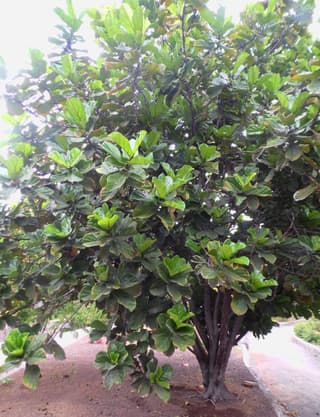
| Fiddle Leaf Fig | Hard | Bright indirect | 10d | ⚠️ |
| Rubber Plant | Easy | Partial shade | 7d | ⚠️ |
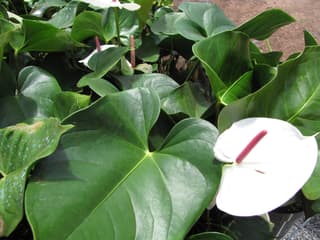
| Flamingo Flower | Medium | Partial shade | 5d | ⚠️ |
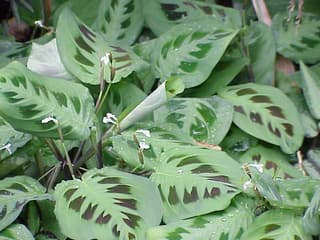
| Prayer Plant | Medium | Partial shade | 3d | ✓ |