Asparagaceae
Narrow-leaved Plantain Lily: Ground Cover Plant
Hosta lancifolia
Hosta lancifolia is easy to care for and thrives with consistent moisture, shade or partial shade, and rich, well-draining soil. It dies back in winter and re-emerges each spring. Minimal maintenance is needed beyond slug control and annual fertilizing during the growing season.
Every 4 days
Low light
-34° - 27°C
40% - 70%
Categories
What is Narrow-leaved Plantain Lily?
Narrow-leaved Plantain Lily (Hosta lancifolia) is a easy-care plant from the Asparagaceae family. Hosta lancifolia, commonly known as the Narrow-leaved Plantain Lily, is a compact, clump-forming perennial prized for its graceful, lance-shaped dark green leaves. Native to Japan and China, it thrives in shaded gardens and is one of the most adaptable hostas for both ground cover and container plan...
Narrow-leaved Plantain Lily grows up to 45cm, spread of 75cm, watering every 4 days, -34°C – 27°C, 40–70% humidity. It is suitable for indoor environments and not safe for pets.
Unlike many tropical plants, Narrow-leaved Plantain Lily tolerates watering mistakes. Best for beginners. Without precautions, ingestion can cause irritation in pets. Keep out of reach of cats and dogs. Without adequate drainage, root rot can develop within 8 days.
How to Care for Narrow-leaved Plantain Lily?
TLDR: Narrow-leaved Plantain Lily needs Low light, watering every 4 days, and temperatures between -34-27°C with 40-70% humidity.
How Often Should You Water Narrow-leaved Plantain Lily?
Water every 3–5 days during the growing season, keeping the soil consistently moist but never waterlogged. Reduce watering in autumn as the plant goes dormant. Morning watering is preferred to reduce fungal risk.
How Much Light Does Narrow-leaved Plantain Lily Need?
Prefers deep shade to partial shade — 2 to 4 hours of morning sun is ideal. Avoid direct afternoon sun, which can scorch the leaves. Tolerates low-light conditions better than most perennials.
What Is the Best Soil for Narrow-leaved Plantain Lily?
Plant in rich, loamy, well-draining soil enriched with compost or organic matter. A slightly acidic to neutral pH of 6.0–7.0 is optimal. Avoid clay-heavy or compacted soil that retains excess moisture.
What Pot Should You Use for Narrow-leaved Plantain Lily?
Choose a wide, shallow pot with good drainage holes — hostas have shallow root systems. Terracotta or glazed ceramic pots work well for moisture regulation. Ensure the container is large enough to accommodate the spreading clumps.
Care Schedule
Fertilize
Every 30 days
Repot
Every 730 days
What Is Narrow-leaved Plantain Lily and Where Does It Come From?
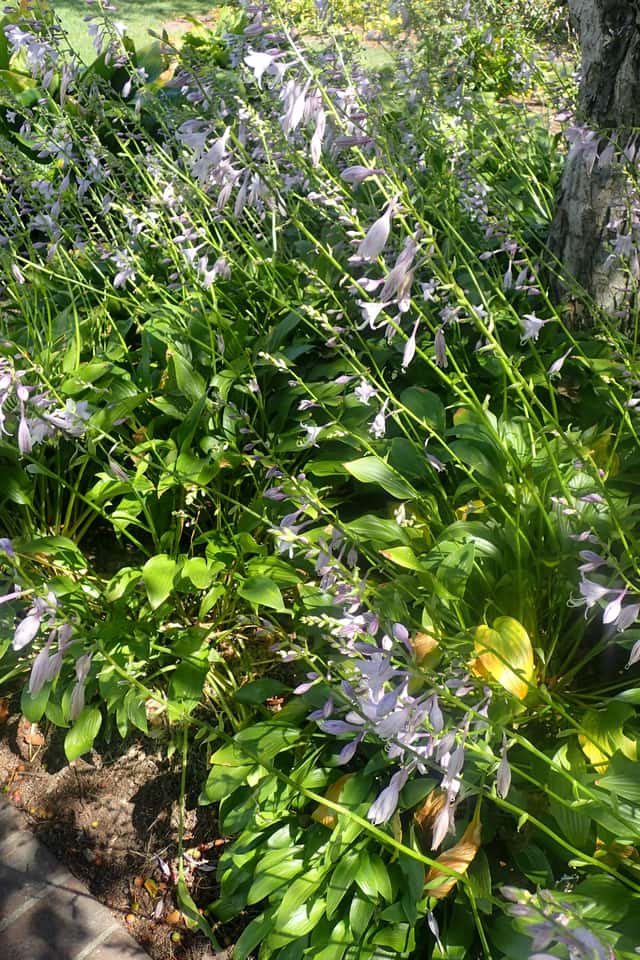
Hosta lancifolia, commonly known as the Narrow-leaved Plantain Lily, is a compact, clump-forming perennial prized for its graceful, lance-shaped dark green leaves. Native to Japan and China, it thrives in shaded gardens and is one of the most adaptable hostas for both ground cover and container planting. It produces slender lavender to purple funnel-shaped flowers in late summer, attracting hummingbirds and bees.
How Big Does Narrow-leaved Plantain Lily Grow?
TLDR: Narrow-leaved Plantain Lily can reach up to 45cm tall with Slow growth rate.
Max height
45cm
Spread
75cm
Growth rate
Slow
Foliage
Deciduous
Warning: Toxic Plant
This plant can be toxic if ingested. Keep out of reach of:
Plant Uses
Ornamental
Great for decoration
Ground Cover
Soil coverage
Edible
Can be consumed
Medicinal Uses
- Historically used in traditional East Asian herbalism for soothing minor skin irritations and reducing inflammation
Culinary Uses
- Young shoots (urui) are eaten as a spring vegetable in Japan — blanched or sautéed, similar to asparagus
Is your plant showing symptoms?
Click on the symptom to discover possible causes:
What Diseases Commonly Affect Narrow-leaved Plantain Lily?
TLDR: Narrow-leaved Plantain Lily is susceptible to 6 known diseases. Monitor regularly for early detection.
Slugs and Snails
Slugs and snails are mollusks that feed on plant tissue, causing irregular holes in leaves and damage to young seedlings. They are most active at night and in moist conditions, leaving characteristic silvery slime trails. These pests can quickly devastate gardens, especially during wet seasons.
Crown Rot
Crown rot is a serious fungal disease that attacks the crown (base) of the plant where the stem meets the soil. It is caused by various fungal pathogens including Phytophthora, Fusarium, and Rhizoctonia. The disease thrives in waterlogged conditions and can quickly spread to kill the entire plant if not addressed promptly.
Anthracnose
Anthracnose is a fungal disease caused by fungi in the genus Colletotrichum that affects many plants, including vegetables, fruits, and trees. The disease thrives in cool, wet conditions, causing dark, sunken lesions on leaves, stems, flowers, and fruits.
Bacterial Soft Rot
Bacterial soft rot is a destructive plant disease caused primarily by bacteria from the genera Pectobacterium (formerly Erwinia) and Dickeya. These bacteria produce enzymes that break down plant cell walls, causing rapid and foul-smelling tissue decomposition. It mainly affects succulent tissues such as tubers, fruits, stems, and bulbs, being especially problematic in warm and humid conditions.
Meaning & Symbolism
In the language of flowers, hostas are associated with devotion, calm, and quiet elegance. The Narrow-leaved Plantain Lily symbolizes patience and perseverance, reflecting its slow growth and long-lived nature.
Compare with similar plants
| Attribute | Difficulty | Light | Watering | Pet Safe |
|---|---|---|---|---|
| Field Maple | Easy | Bright indirect | 14d | ✓ |
| Silver Birch | Easy | Direct sun | 14d | ✓ |
| Cushion Bush | Easy | Direct sun | 14d | ✓ |
| Peruvian peppertree | Easy | Direct sun | 14d | ⚠️ |
Choose & Compare
Sources & References
- Hosta lancifolia - Wikipedia
- Toxic and Non-toxic Plants: Hosta - ASPCA
- Hosta Lancifolia Hosta - Backyard Gardener
- How to Grow Lancifolia Hosta - LizPlants
- Hosta lancifolia Care Guide - ForwardPlant
- How to Identify and Manage 7 Common Hosta Diseases - Gardeners Path
- 13 Common Hosta Pests and Diseases - Morning Chores





