Araliaceae
Geranium Aralia (Polyscias guilfoylei): Complete Care Guide
Polyscias guilfoylei
Geranium Aralia thrives in bright indirect light with consistently warm temperatures above 17°C. Allow the soil to partially dry between waterings, and maintain high humidity. It is sensitive to cold drafts and temperature fluctuations. Feed monthly during the growing season and repot annually.
Every 9 days
Partial shade
17° - 28°C
60% - 80%
Categories
What is Geranium Aralia?
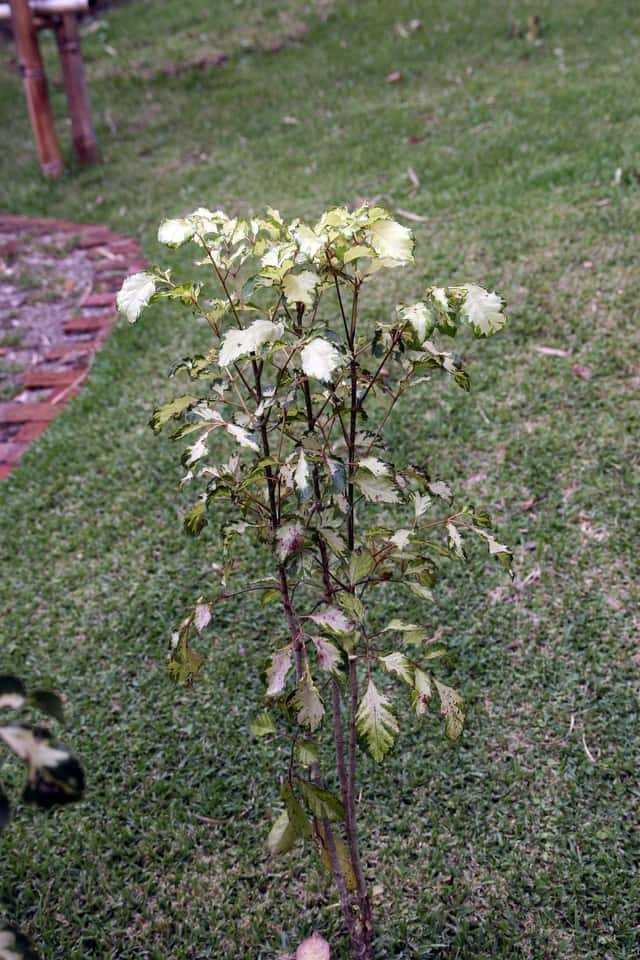
Geranium Aralia (Polyscias guilfoylei) is a medium-care plant from the Araliaceae family. Polyscias guilfoylei, commonly known as Geranium Aralia or Wild Coffee, is an elegant tropical evergreen shrub native to the Pacific Islands. It features compound leaves with 7-9 leaflets that display lush green or variegated white and yellow margins, giving it a lacy, decorative appearance. A class...
Geranium Aralia grows up to 2.4m, with spread of 120cm, watering every 9 days, 17°C – 28°C, 60–80% humidity. It is suitable for indoor environments and not safe for pets.
Without precautions, ingestion can cause irritation in pets. Keep out of reach of cats and dogs. Without adequate drainage, root rot can develop within 18 days.
How to Care for Geranium Aralia?
TLDR: Geranium Aralia needs Partial shade, watering every 9 days, and temperatures between 17-28°C with 60-80% humidity.
How Often Should You Water Geranium Aralia?
Water every 7–10 days, allowing the top inch of soil to dry out before watering again. Water thoroughly until it drains from the bottom. Avoid letting the plant sit in standing water to prevent root rot.
How Much Light Does Geranium Aralia Need?
Place in bright, indirect light less than 3 feet from a window. Avoid direct afternoon sun, which can scorch the leaves. Morning sun is acceptable. In low-light conditions, the plant may drop leaves.
What Is the Best Soil for Geranium Aralia?
Use well-draining soil rich in organic matter. A mix of peat moss, perlite, and vermiculite works well. The soil pH should be between 6.0 and 7.0. Good drainage is essential to prevent root rot.
What Pot Should You Use for Geranium Aralia?
A pot with good drainage holes is essential. Terracotta pots are recommended as they allow soil to breathe and dry more evenly. Choose a pot only slightly larger than the root ball when repotting.
Care Schedule
Fertilize
Every 30 days
Misting
Every 3 days
Repot
Every 365 days
What Is Geranium Aralia and Where Does It Come From?
Polyscias guilfoylei, commonly known as Geranium Aralia or Wild Coffee, is an elegant tropical evergreen shrub native to the Pacific Islands. It features compound leaves with 7-9 leaflets that display lush green or variegated white and yellow margins, giving it a lacy, decorative appearance. A classic choice for both indoor and tropical outdoor landscapes, this slow-growing plant rewards patient gardeners with striking year-round foliage.
How to Propagate Geranium Aralia?
Stem Cutting
Use clean, sharp scissors. Maintain consistent warmth of 22-26°C and high humidity for best rooting success. Replace the plastic bag daily for air circulation.
- 1 Select a healthy stem 4-6 inches long with at least one node and 2-3 leaves
- 2 Remove leaves from the lower half of the cutting
- 3 Dip the cut end in rooting hormone powder
- 4 Plant in a moist mix of perlite and peat moss
- 5 Cover with a plastic bag to retain humidity and place in bright indirect light
- 6 Check for roots after 4-6 weeks by gently tugging the cutting
Materials needed:
How Big Does Geranium Aralia Grow?
TLDR: Geranium Aralia can reach up to 2.4m tall with Slow growth rate.
Max height
2.4m
Spread
1.2m
Growth rate
Slow
Foliage
Evergreen
Warning: Toxic Plant
This plant can be toxic if ingested. Keep out of reach of:
Plant Uses
Ornamental
Great for decoration
Air Purifying
Improves air quality
Medicinal
Medicinal properties
Medicinal Uses
- Leaves and roots have been used in traditional Pacific Island medicine as anti-inflammatory and analgesic remedies
Is your plant showing symptoms?
Click on the symptom to discover possible causes:
What Diseases Commonly Affect Geranium Aralia?
TLDR: Geranium Aralia is susceptible to 8 known diseases. Monitor regularly for early detection.
Root Rot
Root rot is a serious fungal disease that affects the root system of plants, causing them to decay and die. It is primarily caused by overwatering, poor drainage, or soil-borne fungi such as Pythium, Phytophthora, Rhizoctonia, and Fusarium. The disease thrives in waterlogged conditions where roots are deprived of oxygen, making them susceptible to fungal infection.
Spider Mites
Spider mites are tiny arachnids (less than 1/20 inch long) related to spiders and ticks that feed on plant sap. They thrive in hot, dry conditions and can cause significant damage to ornamental and vegetable plants. During severe infestations, crop losses can reach 14% or higher as these pests disrupt vital plant processes including photosynthesis, carbon dioxide absorption, and transpiration.
Mealybugs
Mealybugs are small, soft-bodied insects covered with a white, waxy, cottony material. They are common pests of houseplants and outdoor plants in mild climates. These sap-sucking insects feed on plant tissue, causing damage, stunted growth, and can lead to plant death if left untreated. They produce sticky honeydew which attracts sooty mold.
Bacterial Blight
Bacterial blight is a serious plant disease caused by pathogenic bacteria that enters plants through wounds or natural openings. It spreads rapidly in warm, wet conditions and can cause significant damage to leaves, stems, and flowers. The bacteria are transmitted by water splash, contaminated tools, and insects.
Meaning & Symbolism
In Feng Shui tradition, Geranium Aralia is believed to attract good luck, prosperity, and positive energy into the home.
Fun Facts
Polyscias guilfoylei can grow up to 8 meters tall in its native Pacific Island habitat
It belongs to the Araliaceae family, making it a relative of ginseng and ivy
The plant is named after William Robert Guilfoyle, a 19th-century Australian botanist and garden designer
Its leaves contain saponins, the compound responsible for its mild toxicity
Frequently asked questions
How often should I water Geranium Aralia?
Why is my Geranium Aralia dropping leaves?
Is Geranium Aralia toxic to pets?
How much light does Geranium Aralia need?
When should I repot my Geranium Aralia?
Compare with similar plants
| Attribute | Difficulty | Light | Watering | Pet Safe |
|---|---|---|---|---|
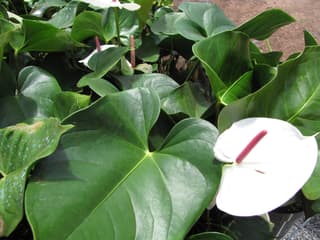
| Flamingo Flower | Medium | Partial shade | 5d | ⚠️ |
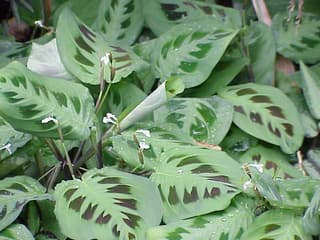
| Prayer Plant | Medium | Partial shade | 3d | ✓ |
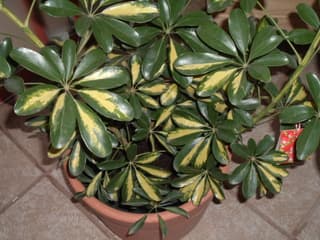
| Dwarf Umbrella Tree | Easy | Partial shade | 7d | ⚠️ |
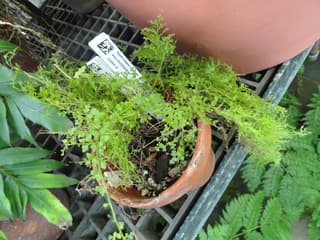
| Boston Fern | Medium | Partial shade | 3d | ✓ |