Marantaceae
Grey Star Plant (Ctenanthe setosa): How to Grow and Care For It
Ctenanthe setosa
The Grey Star thrives in bright indirect light, regular watering (when the top 2-3 cm of soil dries out), high humidity above 60%, and temperatures between 15°C and 27°C. Avoid direct sun, cold drafts, and chlorinated water. Repot every 2 years.
Every 7 days
Partial shade
15° - 27°C
60% - 85%
Categories
What is Grey Star?
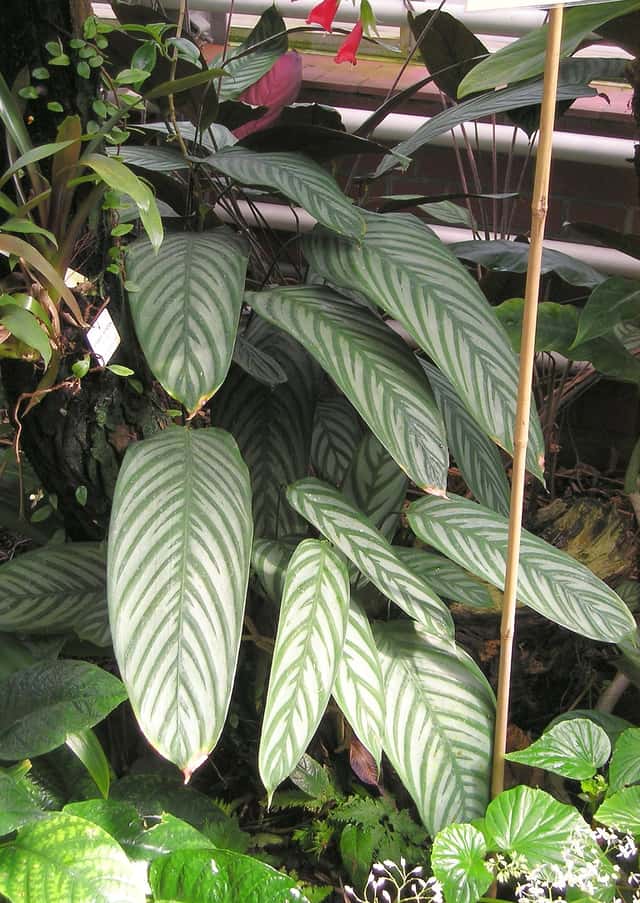
Grey Star (Ctenanthe setosa) is a medium-care plant from the Marantaceae family. Ctenanthe setosa, commonly known as the Grey Star or Never Never Plant, is a tropical plant native to Brazil in the Marantaceae family. It is prized for its stunning elongated leaves featuring silvery-grey and dark green striped patterns with deep purple undersides. Like other prayer plants, it exhi...
Grey Star grows up to 1.0m, spread of 90cm, watering every 7 days, 15°C – 27°C, 60–85% humidity. It is suitable for indoor environments and safe for pets.
Unlike many popular species, Grey Star is safe to keep around pets. Without adequate drainage, root rot can develop within 14 days.
How to Care for Grey Star?
TLDR: Grey Star needs Partial shade, watering every 7 days, and temperatures between 15-27°C with 60-85% humidity.
How Often Should You Water Grey Star?
Water every 7 days on average during the growing season, reducing frequency in winter. Always check the soil first — water only when the top 2-3 cm feel dry. Use filtered or distilled water, or leave tap water out overnight to let chlorine and fluoride evaporate, as these can cause brown leaf tips.
How Much Light Does Grey Star Need?
Place the Grey Star in bright to medium indirect light, such as near a window with sheer curtains. Avoid direct sunlight, which can scorch leaves and fade the beautiful silver pattern. In low-light conditions, the variegation may diminish over time.
What Is the Best Soil for Grey Star?
Use a well-draining, nutrient-rich potting mix. A blend of standard potting soil and perlite (2:1 ratio) works well. Target a soil pH between 6.1 and 7.3. Always ensure the pot has drainage holes to prevent waterlogged roots.
What Pot Should You Use for Grey Star?
Terra cotta or ceramic pots with good drainage are ideal. Avoid pots that are too large — the Grey Star prefers to be slightly root-bound. Always choose a pot with at least one drainage hole to prevent root rot.
Care Schedule
Fertilize
Every 17 days
Misting
Every 2 days
Repot
Every 730 days
What Is Grey Star and Where Does It Come From?
Ctenanthe setosa, commonly known as the Grey Star or Never Never Plant, is a tropical plant native to Brazil in the Marantaceae family. It is prized for its stunning elongated leaves featuring silvery-grey and dark green striped patterns with deep purple undersides. Like other prayer plants, it exhibits nyctinasty — its leaves gently fold upward at night and open again in the morning, as if in prayer.
How to Propagate Grey Star?
Clump Division
Divide in spring when the plant is actively growing. Ensure each division has at least one shoot and healthy roots. Keep humidity high during the establishment period.
- 1 Remove the plant from its pot and gently shake excess soil from the roots
- 2 Carefully separate lateral offsets by hand or with a clean, sterile knife
- 3 Plant each division in an individual pot with moist, well-draining soil
- 4 Keep in a humid location with indirect light until established
Materials needed:
How Big Does Grey Star Grow?
TLDR: Grey Star can reach up to 1.0m tall with Medium growth rate.
Max height
1.0m
Spread
90cm
Growth rate
Medium
Foliage
Evergreen
Warning: Toxic Plant
This plant can be toxic if ingested. Keep out of reach of:
Plant Uses
Ornamental
Great for decoration
Air Purifying
Improves air quality
Is your plant showing symptoms?
Click on the symptom to discover possible causes:
What Diseases Commonly Affect Grey Star?
TLDR: Grey Star is susceptible to 11 known diseases. Monitor regularly for early detection.
Root Rot
Root rot is a serious fungal disease that affects the root system of plants, causing them to decay and die. It is primarily caused by overwatering, poor drainage, or soil-borne fungi such as Pythium, Phytophthora, Rhizoctonia, and Fusarium. The disease thrives in waterlogged conditions where roots are deprived of oxygen, making them susceptible to fungal infection.
Gray Mold (Botrytis Blight)
Gray mold, caused by the fungus Botrytis cinerea, is one of the most common fungal diseases in plants. It affects over 200 plant species, including ornamentals, vegetables, fruits, and houseplants. The disease thrives in cool, humid conditions with poor air circulation, causing grayish spots and soft rot on infected tissues.
Leaf Spot
Leaf spot is a common fungal disease caused by various pathogens including Alternaria, Ascochyta, Colletotrichum, Septoria, and Venturia. It primarily affects leaves, causing discolored spots that can lead to premature leaf drop if left untreated.
Powdery Mildew
Powdery mildew is a common fungal disease caused by various fungi species including Erysiphe, Podosphaera, Oïdium, and Leveillula. It affects over 10,000 plant species worldwide. The disease thrives in warm, dry climates with high humidity and appears as a distinctive white powdery coating on plant surfaces.
Meaning & Symbolism
The Grey Star symbolizes resilience and adaptability. Its leaves that close at night and open at dawn reflect the natural rhythms of life, a quality that resonates with mindfulness and presence.
Fun Facts
Ctenanthe setosa is native to the Atlantic Forest of Brazil, one of the most biodiverse tropical forests on the planet
Its leaves move throughout the day, opening in the morning and folding upward at night — a behavior called nyctinasty
The name Ctenanthe comes from Greek meaning "comb flower," referring to the comb-like arrangement of its floral bracts
The vivid purple underside of its leaves is a distinctive feature rarely seen in other houseplants, making it truly unique
Frequently asked questions
How often should I water my Grey Star plant?
Is Ctenanthe setosa toxic to pets?
Why are the tips of my Grey Star turning brown?
Can the Grey Star tolerate low light?
How often should I repot my Ctenanthe setosa?
Compare with similar plants
| Attribute | Difficulty | Light | Watering | Pet Safe |
|---|---|---|---|---|
| Dark Fieldcap | Medium | Low light | 2d | ⚠️ |
| Azalea | Medium | Partial shade | 3d | ⚠️ |
| Muriel's Bamboo | Medium | Partial shade | 3d | ✓ |
| Bougainvillea | Medium | Direct sun | 7d | ⚠️ |




