Lamiaceae
Woodland Sage – Growing & Care Guide
Salvia nemorosa
An extremely low-maintenance perennial that thrives on neglect once established. Plant in full sun with well-drained soil. Water sparingly, deadhead spent spikes to encourage reblooming, and cut back hard after flowering or in early spring to keep the clump tidy.
Every 14 days
Direct sun
-20° - 35°C
30% - 60%
Categories
What is Woodland Sage?
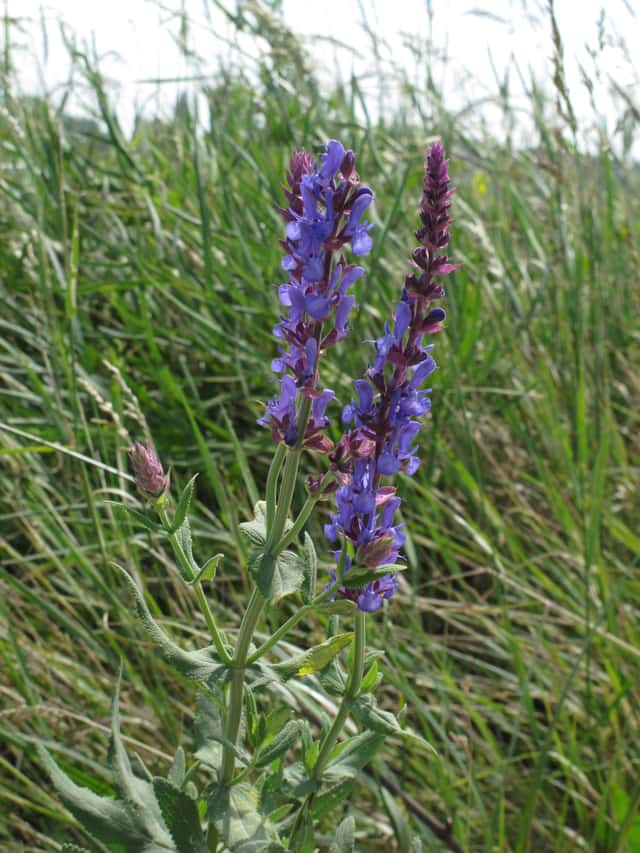
Woodland Sage (Salvia nemorosa) is a easy-care plant from the Lamiaceae family. Salvia nemorosa, commonly known as Woodland Sage or Violet Sage, is a hardy herbaceous perennial in the Lamiaceae family, native to Europe and Western Asia. It produces dense, upright spikes of lavender-violet to deep blue-purple flowers from late spring through summer. Exceptionally drought-toleran...
Woodland Sage grows up to 90cm, spread of 60cm, watering every 14 days, -20°C – 35°C, 30–60% humidity. It is not suitable for indoor environments and safe for pets.
Unlike many tropical plants, Woodland Sage tolerates watering mistakes. Best for beginners. Unlike many popular species, Woodland Sage is safe to keep around pets.
How to Care for Woodland Sage?
TLDR: Woodland Sage needs Direct sun, watering every 14 days, and temperatures between -20-35°C with 30-60% humidity.
How Often Should You Water Woodland Sage?
Water every 14 days during establishment; mature plants are drought-tolerant and often survive on rainfall alone in temperate climates. Always allow soil to dry completely between waterings. Overwatering causes root rot.
How Much Light Does Woodland Sage Need?
Requires full sun—at least 6 hours of direct sunlight daily. More sun equals more flowers and sturdier stems. Tolerates partial shade but flowering will be reduced.
What Is the Best Soil for Woodland Sage?
Prefers average to lean, well-drained soil with a pH of 6.0–8.0. Sandy or gravelly soils are ideal. Rich soil promotes excessive foliage at the expense of blooms. Never plant in waterlogged or clay-heavy ground.
What Pot Should You Use for Woodland Sage?
Terracotta or clay pots with excellent drainage holes. Containers dry out faster than the ground, which suits this drought-tolerant plant well.
Care Schedule
Fertilize
Every 60 days
What Is Woodland Sage and Where Does It Come From?
Salvia nemorosa, commonly known as Woodland Sage or Violet Sage, is a hardy herbaceous perennial in the Lamiaceae family, native to Europe and Western Asia. It produces dense, upright spikes of lavender-violet to deep blue-purple flowers from late spring through summer. Exceptionally drought-tolerant and cold-hardy (USDA zones 4–8), it is a low-maintenance staple in cottage, pollinator, and xeriscape gardens.
How Big Does Woodland Sage Grow?
TLDR: Woodland Sage can reach up to 90cm tall with Medium growth rate.
Max height
90cm
Spread
60cm
Growth rate
Medium
Foliage
Deciduous
Plant Uses
Ornamental
Great for decoration
Aromatic
Pleasant fragrance
Medicinal
Medicinal properties
Medicinal Uses
- Traditional use as antiseptic and digestive aid; leaves used in herbal infusions for sore throat and mild digestive complaints
Is your plant showing symptoms?
Click on the symptom to discover possible causes:
What Diseases Commonly Affect Woodland Sage?
TLDR: Woodland Sage is susceptible to 7 known diseases. Monitor regularly for early detection.
Powdery Mildew
Powdery mildew is a common fungal disease caused by various fungi species including Erysiphe, Podosphaera, Oïdium, and Leveillula. It affects over 10,000 plant species worldwide. The disease thrives in warm, dry climates with high humidity and appears as a distinctive white powdery coating on plant surfaces.
Rust
Rust is a common fungal disease caused by fungi in the order Pucciniales that affects a wide variety of plants. The disease gets its name from the characteristic orange, yellow, or reddish-brown pustules that appear on leaves, resembling metal rust. This obligate fungal parasite requires living plants to survive and can cause significant economic losses in agricultural crops.
Gray Mold (Botrytis Blight)
Gray mold, caused by the fungus Botrytis cinerea, is a widespread necrotrophic pathogen affecting over 1,400 plant species. It thrives in cool, humid conditions and attacks weakened or aging plant tissues, causing soft rot and characteristic gray fuzzy growth.
Aphids
Aphids are small, soft-bodied, pear-shaped insects (1/16 to 1/8 inch long) that feed by sucking nutrient-rich sap from plants. They reproduce rapidly and can quickly weaken plants, causing distorted growth and transmitting plant viruses. Aphids come in various colors including green, black, red, yellow, brown, and gray. They secrete honeydew, a sticky substance that attracts ants and encourages sooty mold growth.
Meaning & Symbolism
In European folk tradition, sage symbolizes wisdom, healing, and protection; long associated with longevity and good health.
Fun Facts
Woodland Sage is one of the most cold-hardy ornamental salvias, surviving temperatures as low as -20°C (USDA zone 4).
The flowers are a magnet for bees, butterflies, and hummingbirds, making it a top choice for pollinator gardens.
Despite its name "nemorosa" (meaning "of the woods" in Latin), it actually prefers open, sunny habitats rather than shaded woodlands.
Frequently asked questions
Is Woodland Sage toxic to pets?
When does Woodland Sage bloom?
How often should I water Woodland Sage?
Compare with similar plants
| Attribute | Difficulty | Light | Watering | Pet Safe |
|---|---|---|---|---|
| Small Scabious | Easy | Direct sun | 7d | ✓ |
| Field Maple | Easy | Bright indirect | 14d | ✓ |
| Silver Birch | Easy | Direct sun | 14d | ✓ |
| Red valerian | Easy | Direct sun | 10d | ✓ |


